Food Processing
Map each conveyor section by product support, wet/dry condition, cleaning method and transfer size before choosing the face.
The application determines which surface, pitch, open area and running path are useful. Start with the process and product, then move into the belt family.
Map each conveyor section by product support, wet/dry condition, cleaning method and transfer size before choosing the face.
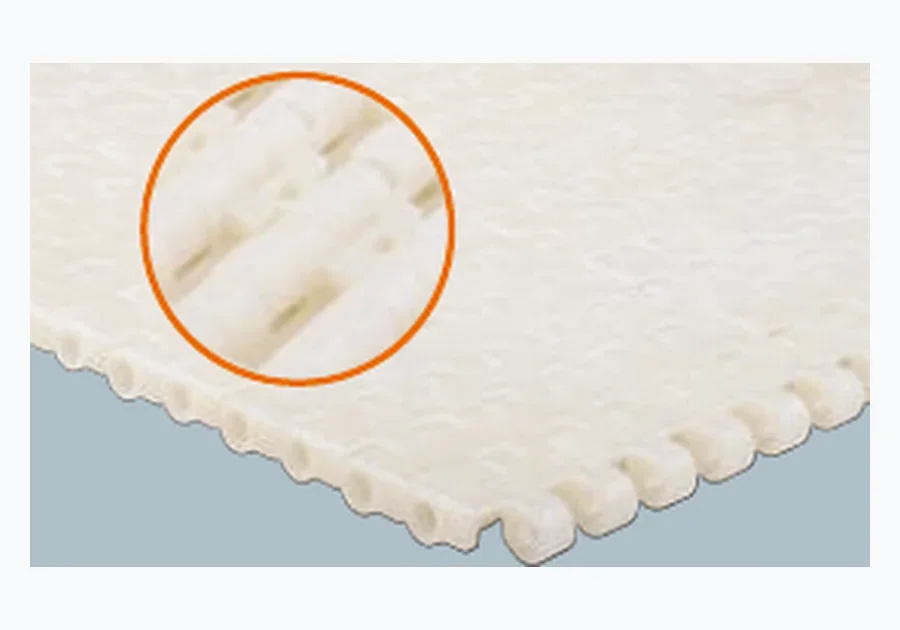
Use open area as a process variable, balancing water release and airflow against the contact footprint of the conveyed product.
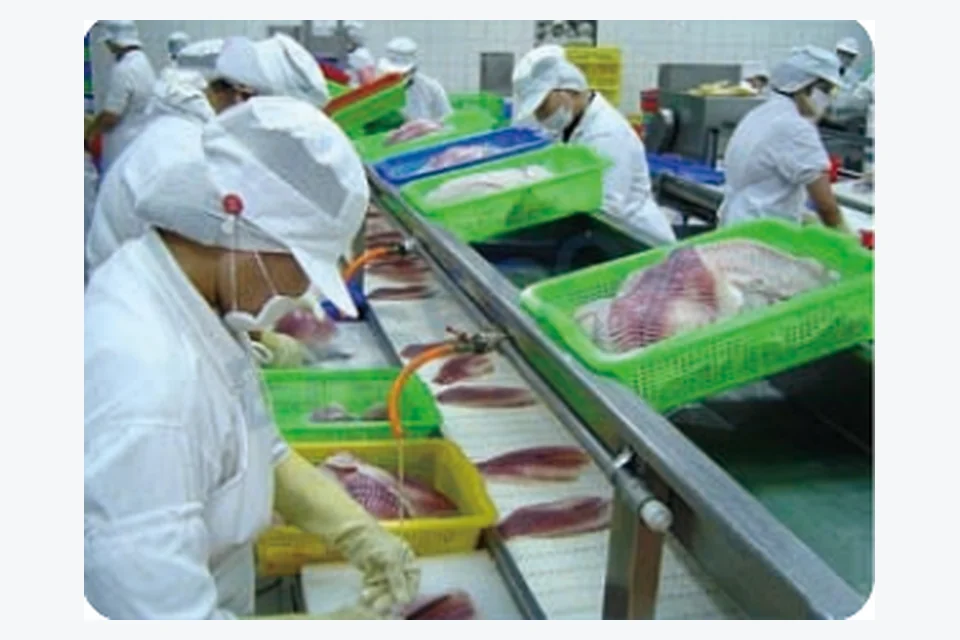
Cold, wet operation and frequent cleaning make drainage, product support and project-specific material documentation important.
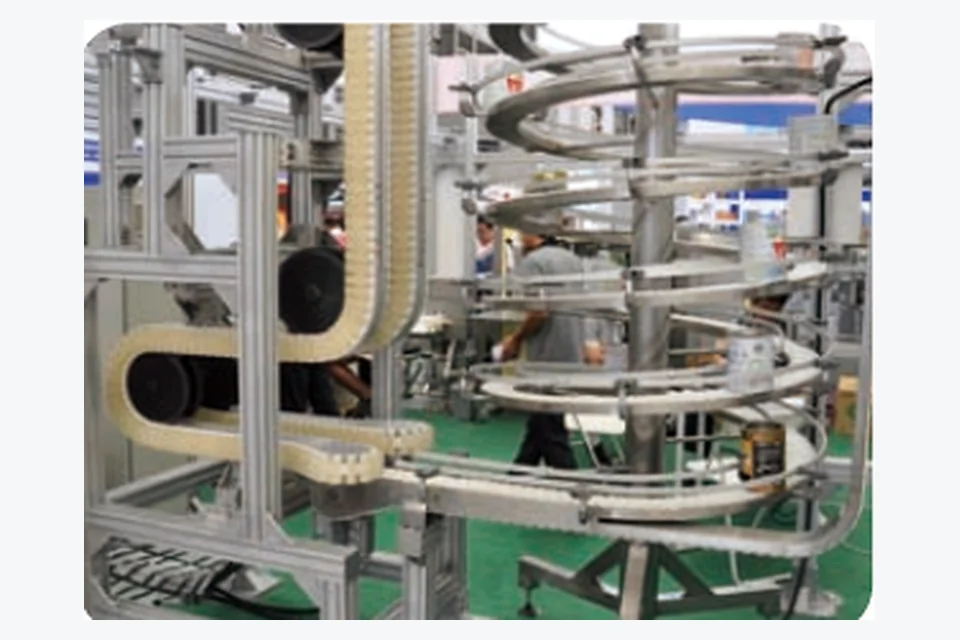
Cooling duty combines airflow with support for warm or soft products; curves and spirals add radius geometry to the selection.
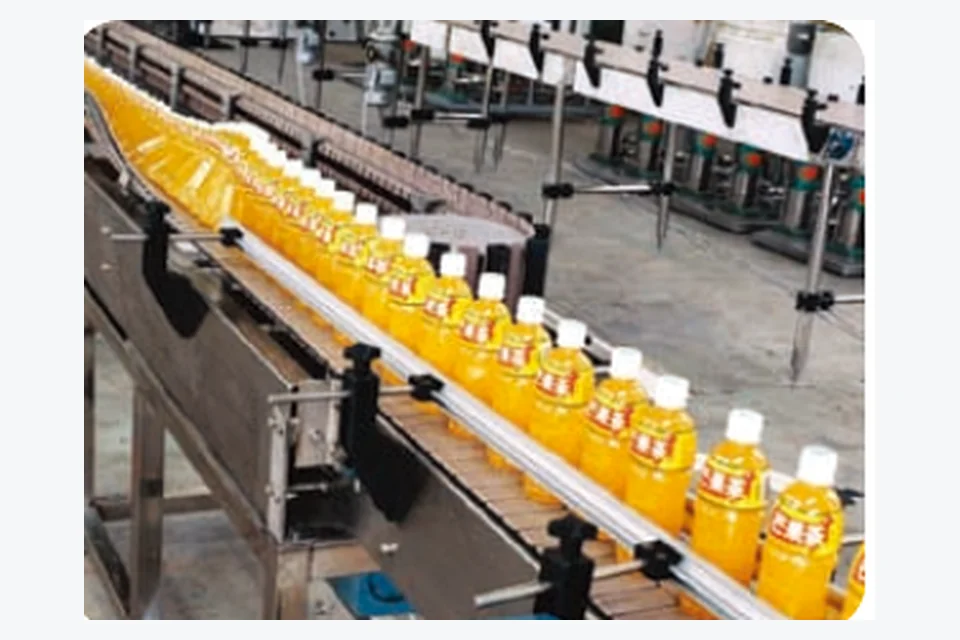
Container base stability, wet zones, guides, accumulation and machine-to-machine transfers drive the useful belt configuration.
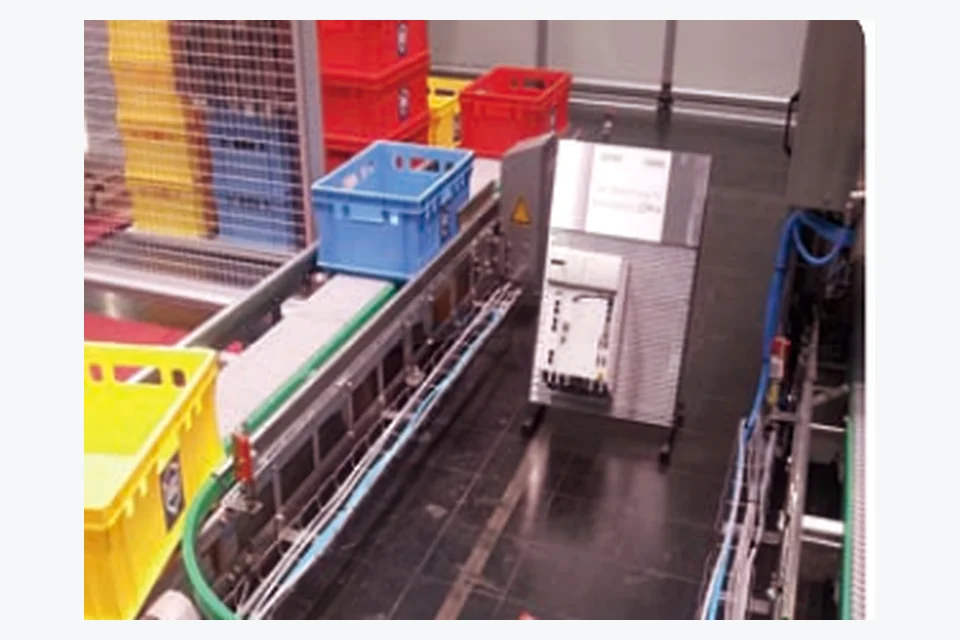
Stable tracking and predictable transfers matter around sensors, case packers, labelers, palletizing cells and tote handling.
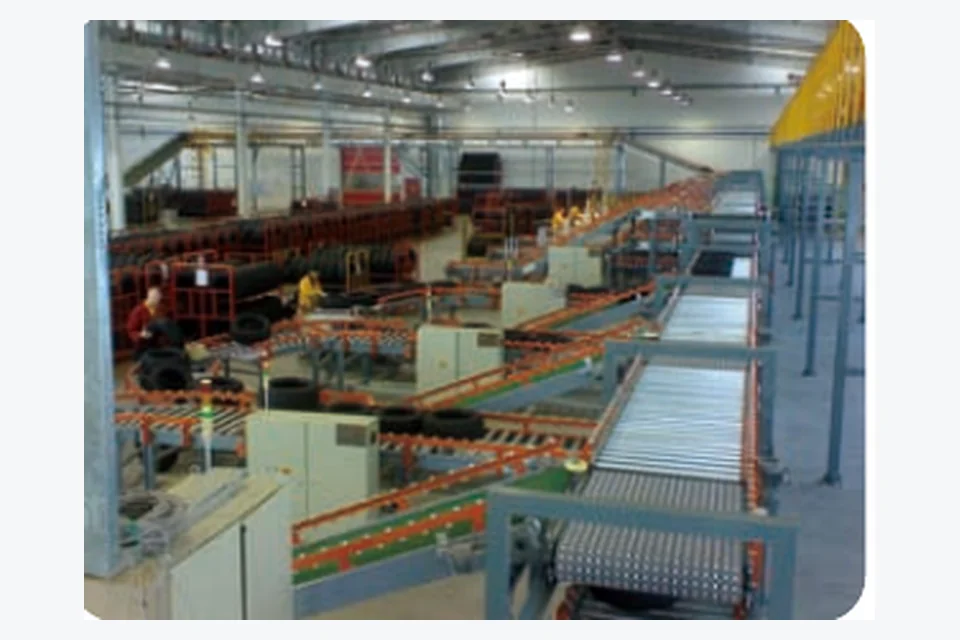
Parcel footprint, transfer gaps, duty cycle and service access matter as much as the nominal belt pitch.
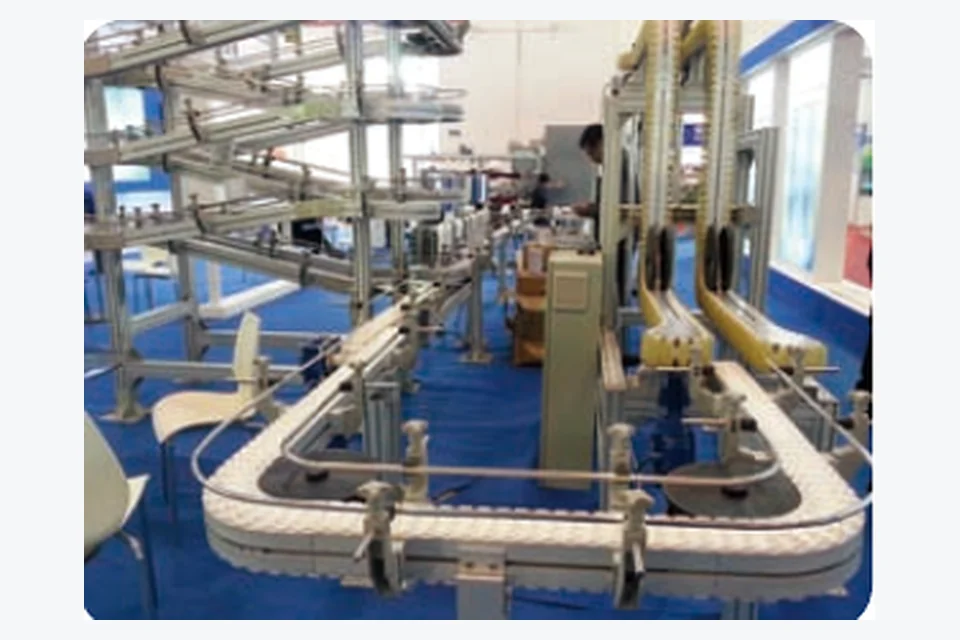
Curve layout is a system geometry question: inside radius, width, guide track, angle and drive position belong in one review.
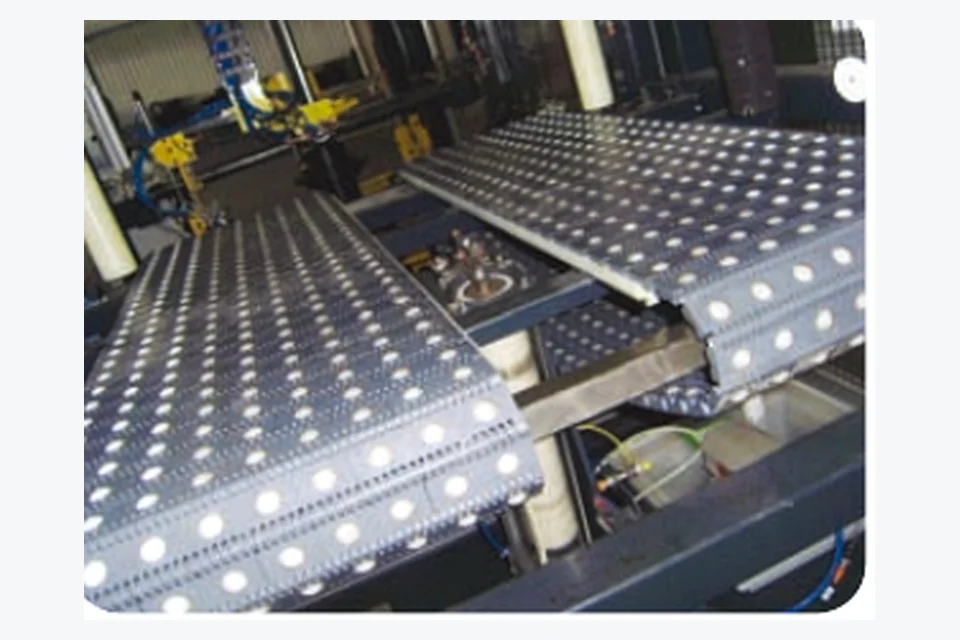
Small machined or moulded parts need controlled support, transfer gaps and contact surfaces, especially through compact automation.
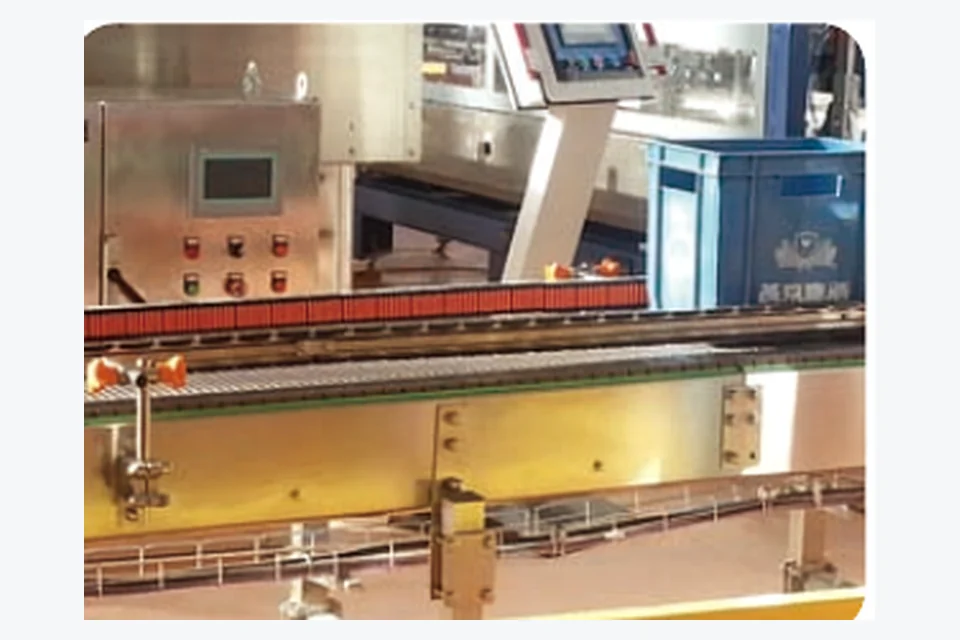
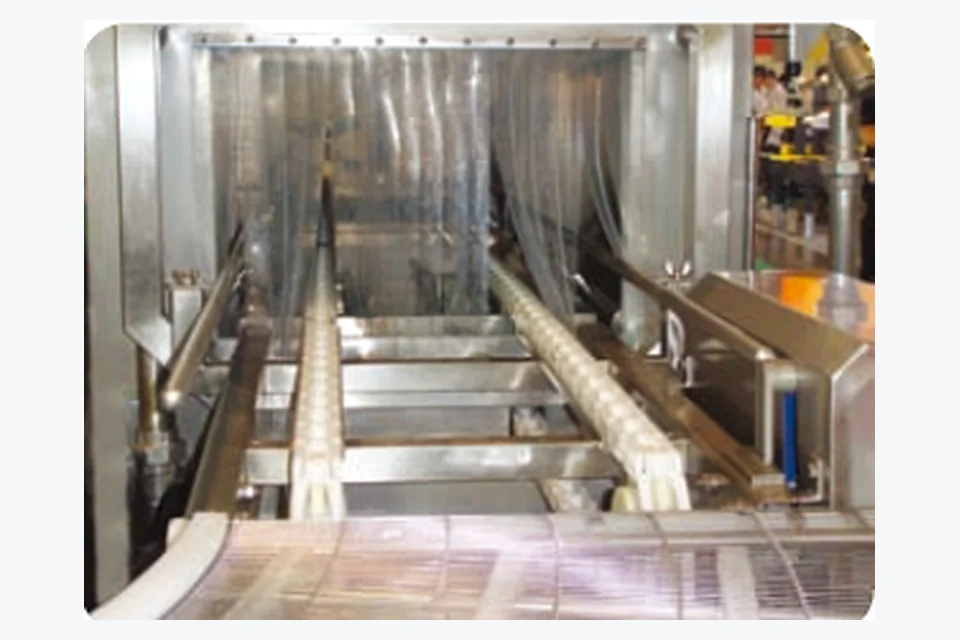
Washing, dewatering, inspection, grading and packing can call for different belt faces along the same processing line.
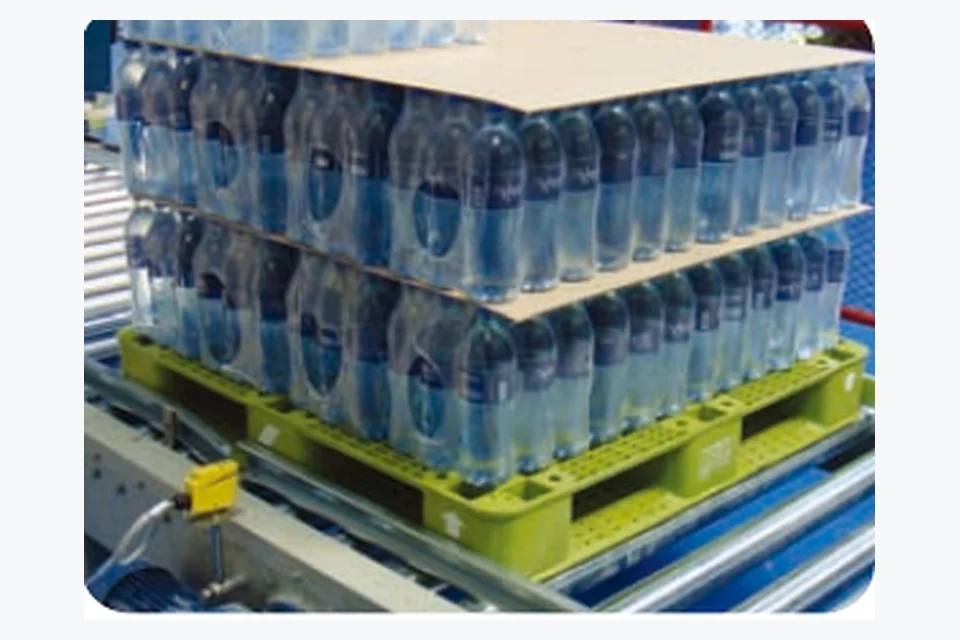
A processing line often changes duty as the product moves downstream. A wash zone may need opening for water release; inspection can require stable support; cooling may need airflow; packaging may need a closer face and controlled guides. Selecting each conveyor section by its own job is more reliable than applying one generic belt type to the whole plant.
| Operating question | Selection effect |
|---|---|
| What contacts the belt? | Sets support pattern and marking risk |
| Must water or air pass through? | Defines open-area direction |
| Does the belt itself turn? | Requires radius geometry |
| What is the smallest transfer? | Influences pitch and edge geometry |
| How is product guided? | Adds rails/tracks and accumulation behaviour |
| How is the conveyor cleaned or serviced? | Adds environment, access and documentation requirements |
| 应用 | 平/封闭 | 开放网格 | 半径 | Typical accessory focus |
|---|---|---|---|---|
| Food processing | Often | Often | When the path curves | Sprockets, pins, guides, wear strips |
| Washing & draining | Sometimes downstream | Primary comparison | If washing through a curve | Open support + guide/return wear |
| Seafood | For inspection/packing | Primary wet-process comparison | Useful on curved process layouts | Guide/wear surfaces in wet duty |
| Bakery & cooling | For packing/support | Useful for airflow | Useful for spiral/curve layout | Guides, wear strips, sprockets |
| Beverage | Strong container-support option | Wet zones as required | Curved lines | Guide rails and transfer interfaces |
| Packaging / totes | Primary comparison | Usually secondary | For horizontal curves | Guide rails, wear strips, sprockets |
| Logistics | Primary comparison | Duty-specific only | Curved sections | Wear support and maintainable drive |
| Precision parts | Fine flat support | When draining/cooling | Compact curves when needed | Tight transfer and guide interfaces |
Application names alone are too broad for engineering selection. A useful RFQ pairs the process description with a small set of measurements and operating inputs.
| RFQ input | Example |
|---|---|
| Conveyed product | Dimensions, mass, softness/fragility and packaging state |
| Process duty | Wash, drain, cool, inspect, accumulate, pack or sort |
| Conveyor geometry | Width, length, transfer gap, straight/curve and inside radius |
| Operating duty | Speed, load, start/stop pattern and environment |
| Drive/interface | Existing sprocket and shaft details or proposed drive layout |
| Documentation | Any drawing, material or inspection records required by the project |