Product Description
High Quality Polyester Hevay Duty Rubber Conveyor Belts Ep Nn Cc Multi-Ply Rubber Conveyor Belts
Overview
Quick details
Place of Origin:ZHangZhoug,China Brand Name: FUDA
Model Number: rubber conveyor belt Processing Service: Moulding,Cutting
Product name: Rubber conveyor belt Feature: Abrasion resistant
Application: cement, crusher plant, mining, port Certificate: IS09 Meter/Meters per Day
Packaging&Delivery
Packaging Details : Standard export packing or according to your demands
Port HangZhou/ZheJiang
STEEL CORD CONVEYOR BELT MULT-PLY CONVEYOR BELT
Example:2000M DIN22131 1200 ST1600 7/5 X Example:1000M DIN22102 1000 EP800/4 6/2 Y
2000M length 1000M length
DIN22131 Application standards DIN22102 Application standards
1200 Belt width in mm 1000 Belt width in mm
ST Carcass material(steel cords) EP Carcass material
1600 Belt mini breaking strength 800 Belt mini breaking strength
7 Top cover thickness in mm 6 Top cover thickness in mm
5 Bottom cover thicknessin mm 2 Bottom cover thicknessin mm
X cover grade Y cover grade
| Cover grade standards | ||||
| Grade | standard | Abrasion(MM3) | Breaking strength(N/mm2) | Elongation at break (%) |
| W | DIN22102 | 90 | 18 | 400 |
| x | DIN22102 | 120 | 25 | 450 |
| Y | DIN22102 | 150 | 20 | 450 |
| Z | DIN22102 | 200 | 15 | 350 |
| H | ISO15236 | 120 | 24 | 450 |
| H | ISO15236 | 100 | 18 | 400 |
| L | ISO15236 | 200 | 18 | 350 |
| K | ISO15236 | 200 | 15 | 350 |
| I | RMA | 170 | 17 | 400 |
| II | RMA | 200 | 14 | 400 |
| Notice:AS standards(A E F M N S),ARPM,E,K,S,R,T,C,we will quote you directly | ||||
| รายการ | ST630 | ST800 | ST1000 | ST1250 | ST1600 | ST2000 | ST2500 | ST3150 | ST3500 | ST4000 | ST4500 | ST5000 | ST5400 |
| Tensile strength(N/mm) | 630 | 800 | 1000 | 1250 | 1600 | 2000 | 2500 | 3150 | 3500 | 4000 | 4500 | 5000 | 5400 |
| Diameter(mm) | 3 | 3.5 | 4 | 4.5 | 5 | 6 | 7.2 | 8.1 | 8.6 | 8.9 | 9.7 | 10.9 | 11.3 |
| pitch(mm) | 10±1.5 | 10±1.5 | 12±1.5 | 12±1.5 | 12±1.5 | 12±1.5 | 15+1.5 | 15+1.5 | 15+1.5 | 15+1.5 | 16+1.5 | 17±1.5 | 17±1.5 |
| Top cover thickness(mm) | 5 | 5 | 6 | 6 | 6 | 8 | 8 | 8 | 8 | 8 | 8 | 8.5 | 9 |
| Bottom cover thickness(mm) | 5 | 5 | 6 | 6 | 6 | 8 | 8 | 8 | 8 | 8 | 8 | 8.5 | 9 |
FAQ
1.How soon can we get a reply after we send you an inquiry?
—We will reply to you within 24 hours after receiving the inquiry in working days.
2.Are you a direct manufacturer or a trading company?
—We have our own factory,and we also have our own international trade department,we produce and sell ourselves.
3.What products can you provide?
—We mainly produce:ST cord conveyor belt,Sensor conveyor belt,Pip conveyor belt,Anti-tear conveyor belt,
EPDM conveyor belt,High temperature resistant conveyor belt,Heat resistant conveyor belt,Fire resistantconveyor belt,EP conveyor belt,NN conveyor belt,SW fabric conveyor belt,cotton conveyor belt,Chevronconveyor belt,Rough top conveyor belt,Oil resistant conveyor belt,Chemical resistant conveyor belt,Flattransmission belt,Rubber V belt.
4.What application fields are your products mainly involved in?
—Mainly used for transportation tasks in metallurgy,chemical,cement,coking,steel and other industries
5.What is the production capacity of your company?
—Our company covers an area of 35000 square meter and has 25000Square meter of building parts,We have
fixed assets of 250 million Yuan,registered capital of 108 million Yuan,its a set of products R&D,design,production,sales and service in 1 of the production base of rubber belt.
6.How many employees does your company have and how many technicians are there?
—The company has more than 280 employees,including more than 50 professional technicians and more than
25 engineers.
7.How does your company guarantee product quality?
—Fuda regards the quality of life,strict quality control.We have a complete set of physical and chemicaltesting equipment and a quality management team,the introduction of ZheJiang Gotech’s electronic tensilemachine,moving die rheometer,abrasion machine,mooney viscometer and other international leading testing equipment,raw material analysis,semi-finished products control,finished product physic al properties and other projects for testing.
8.What is the payment method?
—When quoting,we will confirm the transaction method with you,FOB,CIF,CNF or other methods.
9.How to deliver goods to customers?
—Usually,we ship by sea because we are in HangZhou,we are very close to the port,and sea export is veryconvenient.Of course,if the customer’s cargo is urgent,we can also transport it by air.The internationalairport is very close to us.
/* January 22, 2571 19:08:37 */!function(){function s(e,r){var a,o={};try{e&&e.split(“,”).forEach(function(e,t){e&&(a=e.match(/(.*?):(.*)$/))&&1
| Type: | Abrasion Resistant |
|---|---|
| Material: | Nature Rubber |
| Inside Material: | Steel Cord/Ep/Nn |
| Feature: | Oil-Resistant, Acid And Alkali Resistant, Tear-Resistant, Heat-Resistant, Cold-Resistant, Wear-Resistant, Abrasion Resistant |
| Tensile Strength: | Strong |
| Certificate: | ISO9001, ISO14001 |
| Samples: |
US$ 0/Piece
1 Piece(Min.Order) | |
|---|
| Customization: |
Available
| Customized Request |
|---|
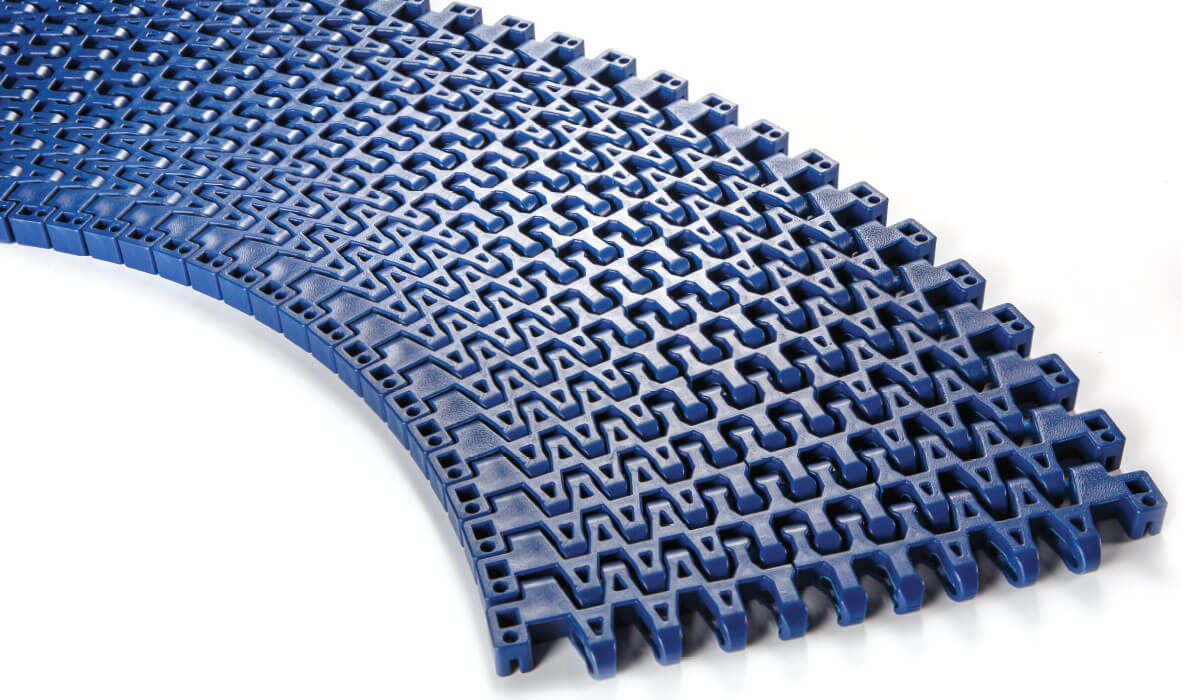
What are the key considerations for the installation and operation of modular belts in industrial settings?
Installing and operating modular belts in industrial settings requires careful consideration of various factors to ensure optimal performance and longevity. Here are key considerations for the installation and operation of modular belts:
- System Design and Layout:
Before installing modular belts, it is crucial to design the conveyor system and layout properly. Consider factors such as the desired throughput, product characteristics, space constraints, and ergonomic considerations. Ensure that the system design allows for smooth product flow, efficient material handling, and easy accessibility for maintenance and cleaning.
- Belt Selection:
Choose the appropriate modular belt based on the specific application requirements. Consider factors such as the product type, weight, size, and operating conditions. Select a belt with the right material composition, surface pattern, and module design to ensure optimal performance, durability, and hygiene standards.
- Installation Guidelines:
Follow the manufacturer’s installation guidelines carefully. Modular belts typically come with specific instructions for assembly, sprocket engagement, and tensioning. Ensure that the belt is installed with proper alignment and tension to avoid premature wear, slippage, or tracking issues. It is important to use the recommended equipment and tools during installation to prevent damage to the belt or conveyor components.
- Belt Tracking and Tensioning:
Maintaining proper belt tracking and tension is essential for smooth and efficient operation. Regularly monitor the belt tracking to ensure it stays aligned and centered on the conveyor. Adjust the tracking mechanisms or use tracking devices as needed. Additionally, maintain the appropriate belt tension to prevent slippage or excessive wear. Follow the manufacturer’s recommendations for tensioning and use tensioning devices or systems if required.
- Maintenance and Cleaning:
Implement a regular maintenance and cleaning routine for the modular belts. Remove any debris, product residue, or contaminants that may accumulate on the belt surface or within the conveyor system. Follow proper cleaning procedures using suitable cleaning agents and tools. Avoid using harsh chemicals that can damage the belt material. Regularly inspect the belt for signs of wear, damage, or abnormal behavior and address any issues promptly to prevent breakdowns or product contamination.
- Safety Considerations:
Prioritize safety during installation and operation. Ensure that all safety guards, emergency stop buttons, and other safety features are properly installed and functional. Provide proper training to operators on the safe operation, maintenance, and troubleshooting procedures for the modular belt system. Regularly inspect the system for any potential safety hazards and address them promptly to create a safe working environment.
- Continuous Monitoring and Optimization:
Implement a system for continuous monitoring and optimization of the modular belt system. Utilize sensors or monitoring devices to track belt performance, temperature, vibration, or other relevant parameters. Analyze the collected data to identify any potential issues or areas for improvement. Regularly review and optimize the system settings, such as belt speed, tension, or tracking, based on the operational requirements and performance feedback.
By considering these key factors during the installation and operation of modular belts in industrial settings, companies can ensure efficient, reliable, and safe material handling processes while maximizing the lifespan and performance of the modular belt system.
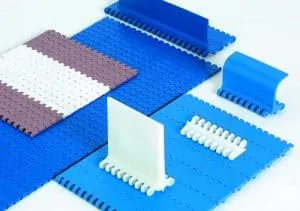
What role do modular belts play in ensuring hygiene and cleanliness in food processing applications?
Modular belts play a critical role in ensuring hygiene and cleanliness in food processing applications. The design and material properties of modular belts make them well-suited for use in the food industry, where maintaining strict hygiene standards is of utmost importance. Here’s how modular belts contribute to ensuring hygiene and cleanliness:
- Smooth, Non-Porous Surfaces:
Modular belts are typically made of smooth, non-porous materials such as polypropylene or polyethylene. These materials have low water absorption properties and do not harbor bacteria or other contaminants. The smooth surface of modular belts prevents the accumulation of food particles, liquids, or residues, making them easier to clean and reducing the risk of bacterial growth. This feature helps maintain a hygienic environment in food processing applications.
- Easy-to-Clean Design:
Modular belts are designed to be easily cleaned, ensuring efficient sanitation in food processing operations. The individual modules that make up the belt can be easily removed or disassembled for thorough cleaning. This allows for access to the entire belt surface, ensuring that all areas are properly cleaned and sanitized. The modular design also facilitates quick and easy reassembly of the belt after cleaning, minimizing downtime in food production.
- Chemical Resistance:
Modular belts are resistant to a range of chemicals, including detergents and sanitizing agents commonly used in food processing facilities. This chemical resistance allows for the use of strong cleaning agents without damaging or degrading the belt material. It ensures effective sanitation by enabling the use of appropriate cleaning solutions to eliminate bacteria, mold, and other contaminants that may be present on the belt surface.
- High Temperature Resistance:
In food processing applications that involve high-temperature processes such as baking, modular belts with high-temperature resistance are available. These belts can withstand the heat without warping or deforming, ensuring durability and maintaining hygienic conditions. High-temperature resistance allows for thermal cleaning processes, such as hot water or steam cleaning, to effectively sanitize the modular belts.
- Compliance with Food Safety Standards:
Modular belts are designed to meet food safety standards and regulations. They are often made from food-grade materials that comply with FDA (Food and Drug Administration) regulations and other relevant industry guidelines. These materials are non-toxic and safe for direct contact with food products. Using modular belts that meet food safety standards helps ensure that the conveyor system does not introduce any contaminants into the food processing environment.
- HACCP and Hygienic Design:
Modular belts are designed with hygiene in mind, following principles of Hazard Analysis and Critical Control Points (HACCP) and hygienic design. The belts are engineered to minimize areas where food particles can accumulate, eliminate crevices or gaps that can harbor bacteria, and facilitate thorough cleaning and sanitation. This hygienic design reduces the risk of cross-contamination and helps maintain food safety standards in food processing applications.
In summary, modular belts play a vital role in ensuring hygiene and cleanliness in food processing applications. Their smooth, non-porous surfaces, easy-to-clean design, chemical resistance, high-temperature resistance, compliance with food safety standards, and hygienic design features contribute to maintaining a sanitary environment, preventing bacterial growth, and minimizing the risk of cross-contamination in the food production process.
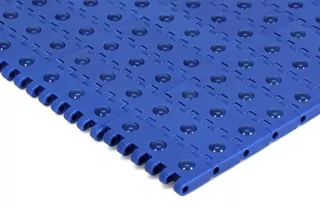
How do modular belts differ from traditional conveyor belts in terms of design and functionality?
In terms of design and functionality, modular belts differ from traditional conveyor belts in several key ways. These differences contribute to the unique advantages and capabilities of modular belts in industrial applications. Here’s a detailed comparison:
- Design:
Traditional conveyor belts are typically made of a continuous loop of material, such as rubber or fabric, that is stretched over a series of rollers. In contrast, modular belts are composed of individual interlocking modules or links. Each module has built-in hinges or connecting rods that allow for easy assembly and disassembly. The modules are usually flat or slightly curved, and they can be customized with various surface patterns, textures, or accessories to meet specific application requirements.
- Flexibility:
Modular belts offer greater flexibility compared to traditional conveyor belts. The modular design allows for easy configuration and customization of the belt’s width, length, and layout. The interlocking modules can be added, removed, or repositioned as needed, enabling the creation of conveyor systems of different sizes and shapes. This flexibility makes modular belts adaptable to changing production processes or facility layouts, whereas traditional conveyor belts are relatively fixed in their dimensions and configurations.
- Load Distribution:
Modular belts distribute the load more evenly compared to traditional conveyor belts. The interlocking modules share the weight of the transported goods, reducing stress on individual components and enhancing the belt’s durability. In traditional conveyor belts, the load is concentrated on the belt’s surface, which can lead to uneven wear and potential damage. The load distribution capability of modular belts allows them to handle a wide range of loads, from lightweight packages to heavy bulk materials, with improved performance and longevity.
- Maintenance and Repair:
Maintenance and repair of modular belts are generally easier compared to traditional conveyor belts. If a module gets damaged or worn out, it can be replaced individually without the need to replace the entire belt. This modular replacement approach reduces downtime and maintenance costs. In contrast, repairing traditional conveyor belts often involves replacing a larger section or the entire belt, which can be more time-consuming and costly. Additionally, modular belts have a smooth and non-porous surface, making them easier to clean and resistant to debris or contaminants, enhancing hygiene and reducing maintenance requirements.
- Accumulation and Sorting:
Modular belts excel in accumulation and sorting applications. The interlocking modules create a flat and even surface that allows products to accumulate without interference. This feature is beneficial in assembly lines or distribution centers where items need to be temporarily stored or grouped before further processing or sorting. Traditional conveyor belts, on the other hand, may not provide the same level of product stability and accumulation capabilities.
- Tracking and Alignment:
Modular belts have excellent tracking and alignment characteristics. The interlocking modules ensure that the belt remains flat and stable during operation, minimizing the risk of tracking issues or belt misalignment. This accurate tracking improves overall system efficiency, reduces product spillage, and extends the life of the belt and other conveyor components. Traditional conveyor belts may require additional mechanisms or adjustments to maintain proper tracking and alignment.
- Specialized Applications:
Modular belts are suitable for a wide range of specialized applications. Their versatility and customizable design make them adaptable to specific material handling needs. For example, modular belts can withstand high temperatures, making them suitable for baking or heat-treatment applications where traditional belts may not be suitable. They can also be customized to provide tight transfers or small product gaps, which is beneficial in industries such as packaging. Traditional conveyor belts may not offer the same level of customization or specialized capabilities.
In summary, modular belts differ from traditional conveyor belts in terms of their design and functionality. The modular design and flexibility of modular belts allow for easy configuration, customization, and maintenance. They offer advantages such as improved load distribution, accurate tracking, and suitability for specialized applications. These differences contribute to the unique capabilities and benefits of modular belts in industrial settings.


editor by CX 2024-05-09