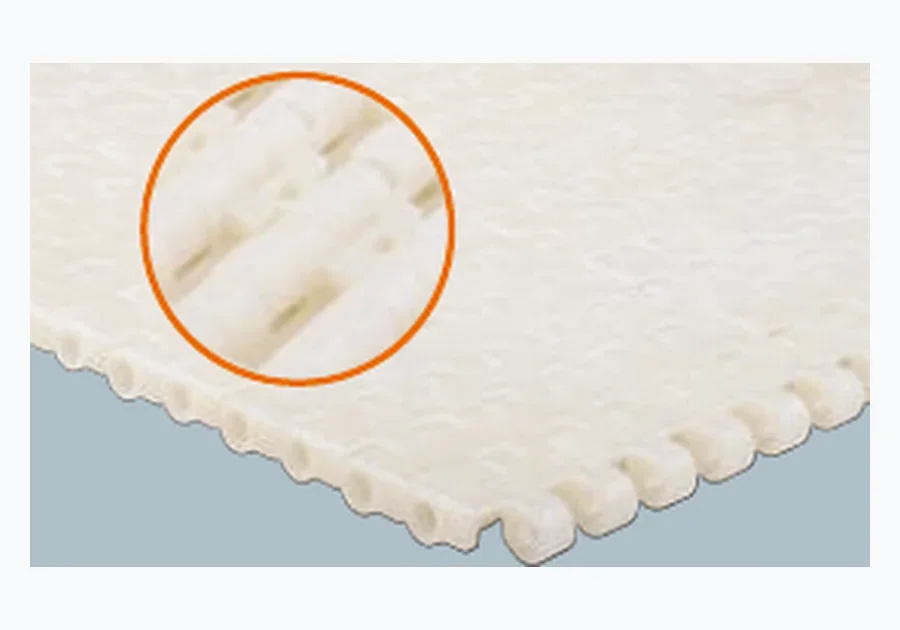
Flat Surface Belts
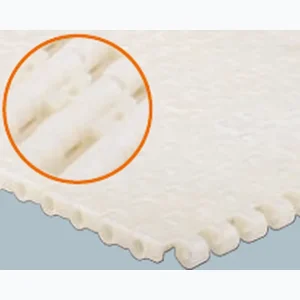
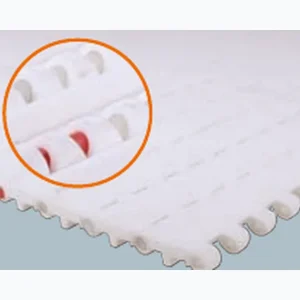
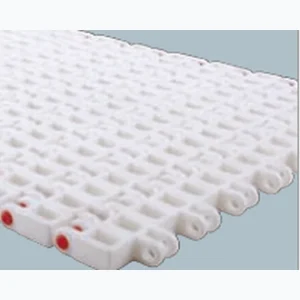
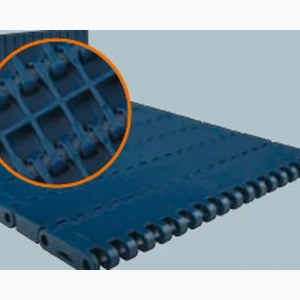
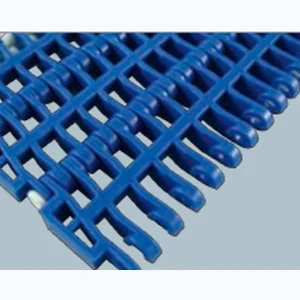
Closed conveying faces for stable support, packaging transfers and straight-running duties where through-belt drainage is not the main requirement.
Browse plastic modular belts by conveying face, pitch and running path, then match sprockets, pins, guides and wear strips around the same conveyor interface. The live product grid below contains buyer-facing configuration pages rather than unverified vendor model codes.
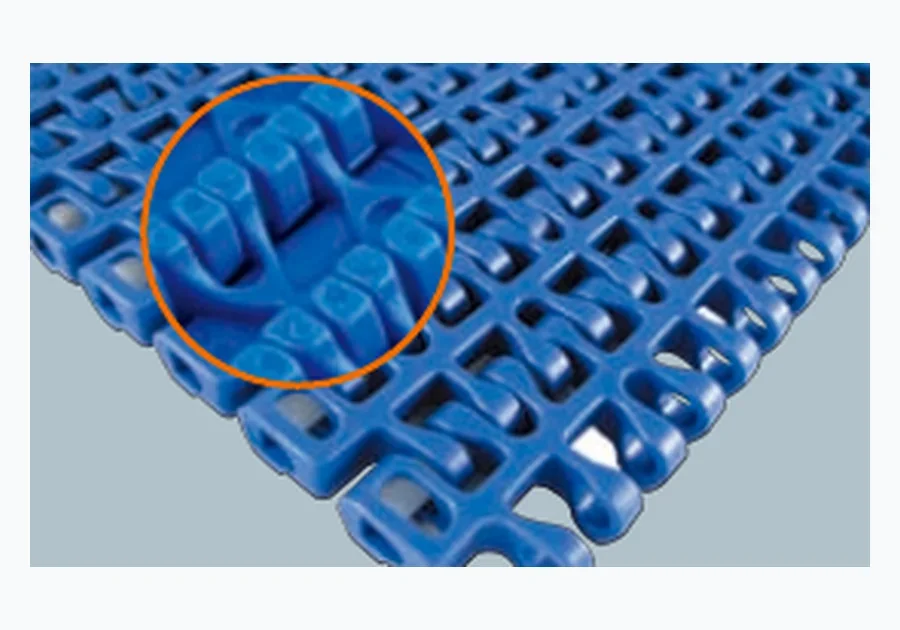

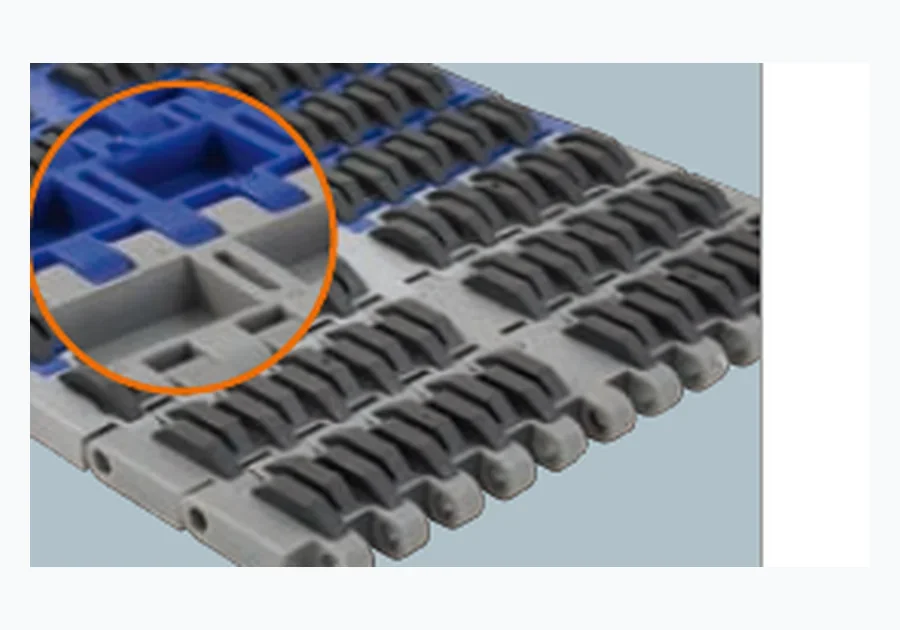
Closed conveying faces for stable support, packaging transfers and straight-running duties where through-belt drainage is not the main requirement.
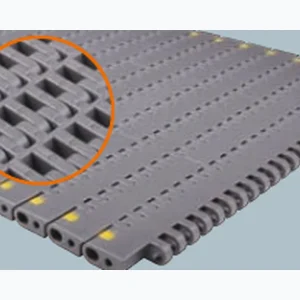
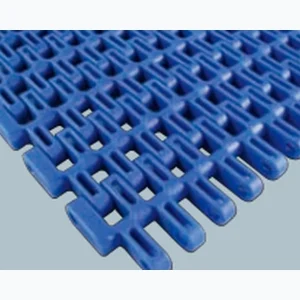
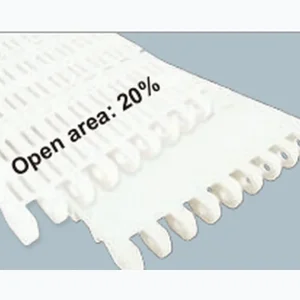
Open-area configurations for washing, drainage and airflow. Selection should still check the smallest product footprint and transfer geometry.
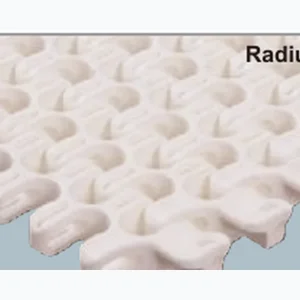
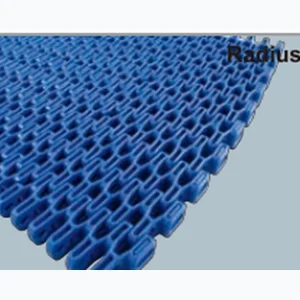
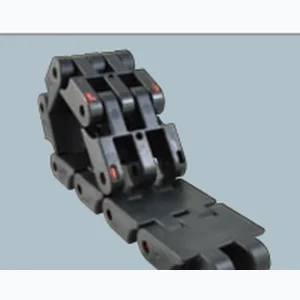
Side-flexing modular geometries for horizontal curves and compact layouts. Inside radius, belt width, guide path and drive position must be reviewed together.
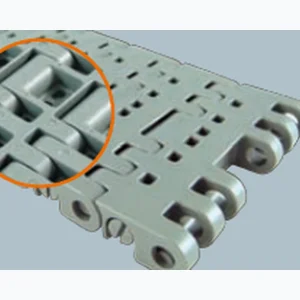
Duty-specific faces for applications that need a different balance of support, opening, release or conveying behaviour than standard flat or open-grid surfaces.
Use pitch, face/open area and path together. A pitch value should not be treated as a complete cross-reference.
| Pitch | Surface | Open area reference | Path |
|---|---|---|---|
| 12.7 mm | Flat / closed | Not specified | Straight |
| 15.2 mm | Flat / closed | Not specified | Straight |
| 15.2 mm | Open grid | 14% or 28% | Straight |
| 19.05 mm | Flat / closed | Not specified | Straight |
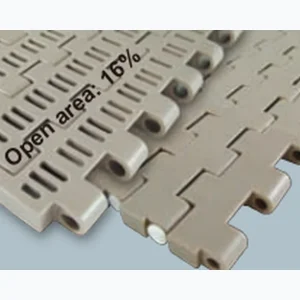
| 19.05 mm | Open grid | 16% | Straight |
| 25 mm | Flat / closed | Not specified | Straight |
| 25 mm | Open grid | 29% | Straight |
| 25.4 mm | Flat / closed | Not specified | Straight |
| 25.4 mm | Open grid | 34% or 35% | Straight |
| 25.4 mm | Specialty / partially open | 8% on one configuration | Straight |
| 27.2 mm | Open grid | 38% | Straight |
| 50.8 mm | Flat and specialty/open | 20% on one configuration | Straight |
| 63.5 mm | Flat / closed | Not specified | Straight |
| 25 mm | Radius / side-flexing | 52% | Radius |
| 25.4 mm | Radius / side-flexing | 47% or 55% | Radius |
| Pitch | Family direction | Buyer selection note |
|---|---|---|
| 12.7 mm | Flat / closed examples | Fine pitch; useful starting point for compact transfers and small product support. |
| 15.2 mm | Flat + 14% / 28% open-grid examples | Fine-pitch family with both continuous support and process opening options. |
| 19.05 mm | Flat + 16% open-grid example | Mid-fine family for straight-running support or moderate drainage. |
| 25 mm | Flat + 29% open-grid + 52% radius example | Broad general-purpose pitch with straight and radius examples. |
| 25.4 mm | Flat + 8% / 34% / 35% straight + 47% / 55% radius examples | The widest mix of faces and running paths in this comparison. |
| 27.2 mm | 38% open-grid examples | Higher-open-area straight-running reference. |
| 50.8 mm | Flat/specialty + one 20% open example | Larger-pitch family for duties where fine transfer is not the main driver. |
| 63.5 mm | Flat / closed example | Largest pitch shown in this modular-belt comparison range. |
| Duty | First family to compare | Key input |
|---|---|---|
| Small product / tight transfer | Flat, finer-pitch family | Smallest footprint and transfer gap |
| Washing / draining | Open grid | Product footprint plus required water/debris release |
| Cooling / airflow | Open grid or radius open family | Airflow requirement, product support and path |
| Bottle / carton / tote | Flat or specialty | Base footprint, guides, accumulation and transfers |
| Horizontal curve | Radius / side-flexing | Inside radius, width, curve angle and guide profile |
| Replacement project | Matching family after measurement | Pitch, width, top/underside and sprocket engagement |
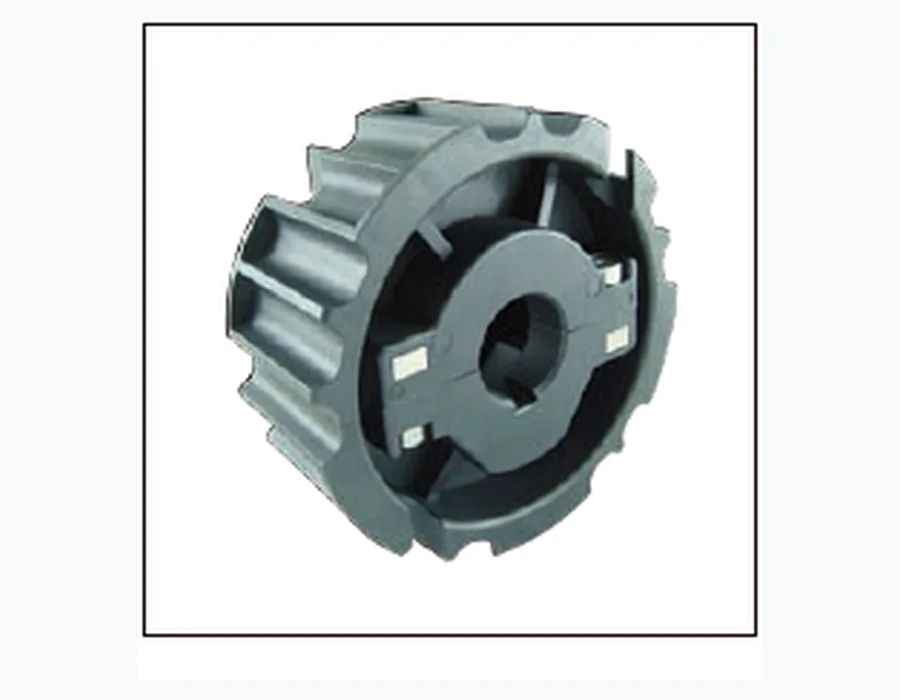

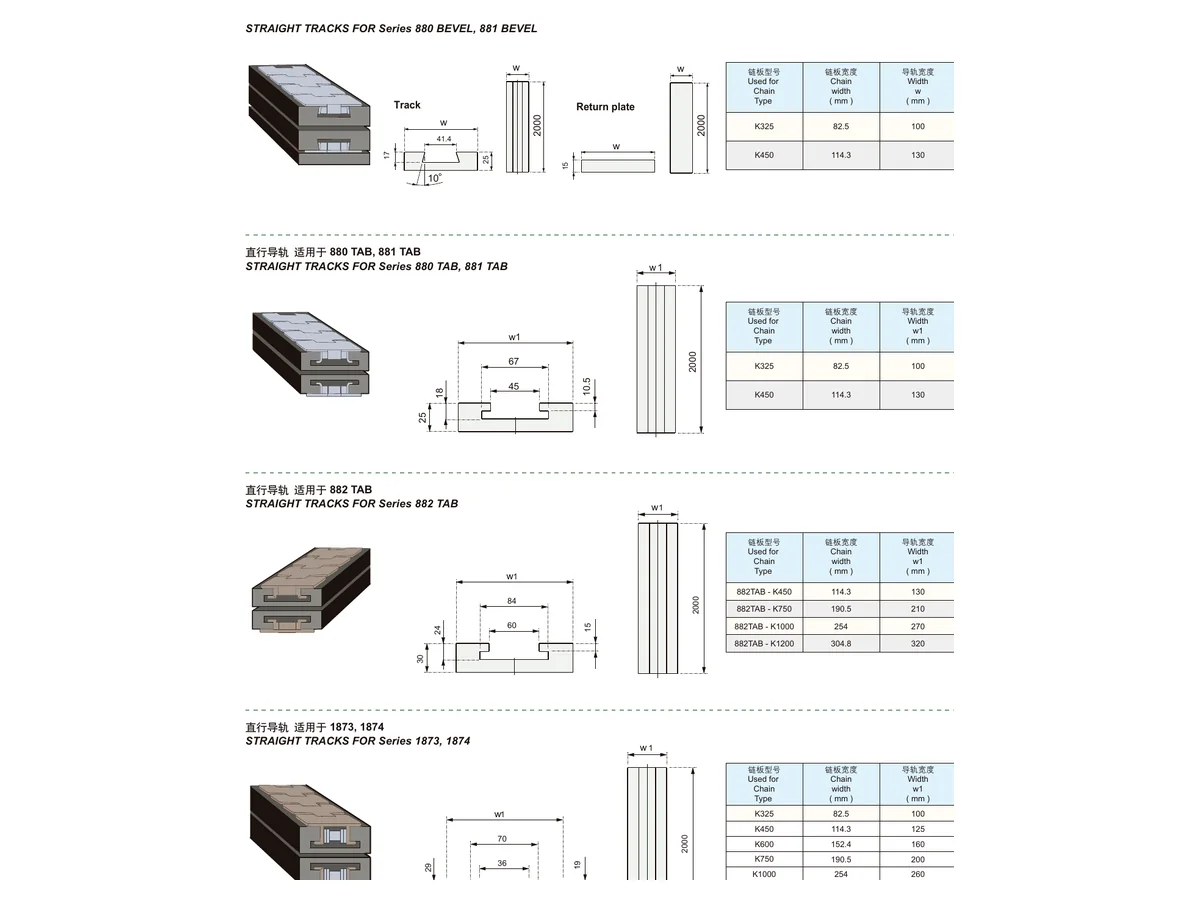
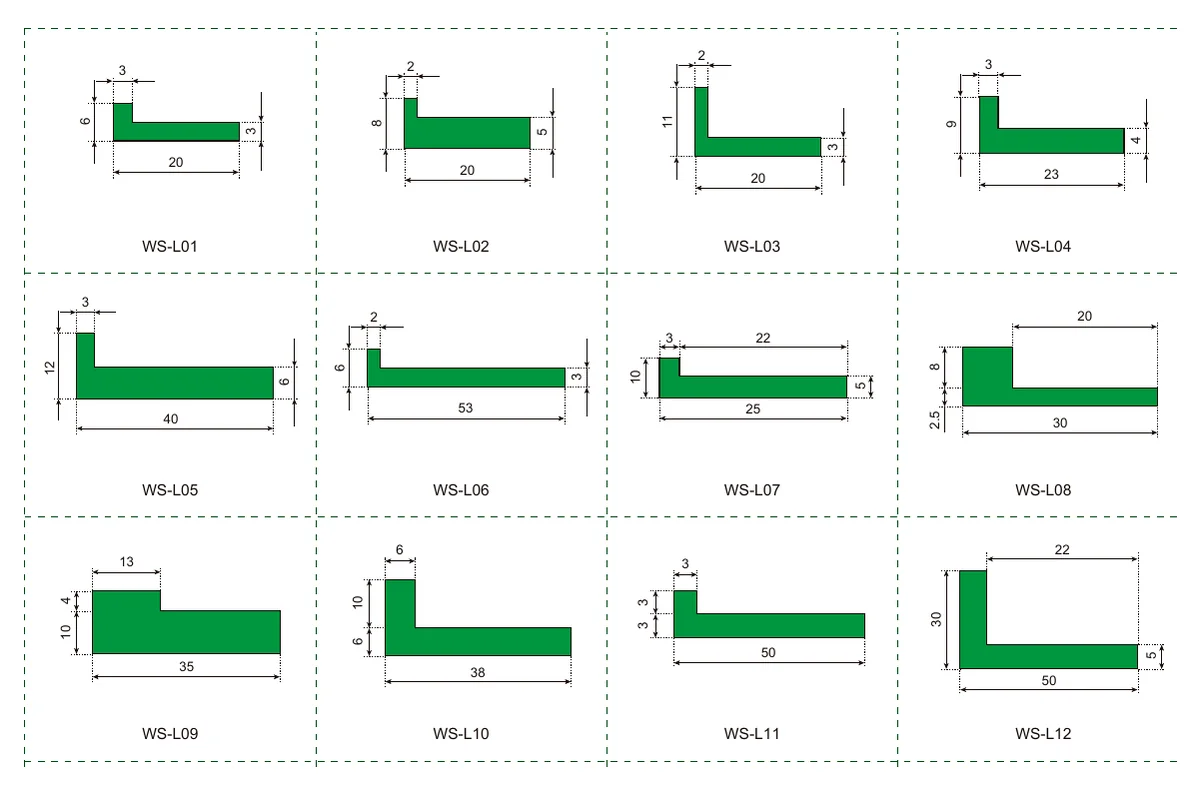
A belt can be dimensionally correct and still perform poorly if sprockets, guides or support strips do not match the mechanical interface. For new builds and refurbishment, treat these components as one conveyor package.
| Area | Information |
|---|---|
| Product/application | Conveyed item, process step and smallest contact footprint |
| Geometry | Belt width, length/centre distance, straight/curve path and transfer dimensions |
| Face | Flat, open or duty-specific surface; desired drainage/airflow if relevant |
| Drive | Sprockets, tooth count, bore/shaft and spacing |
| Duty | Load, speed, wet/dry condition, temperature/chemicals when relevant |
| Commercial | Quantity, destination and project stage |
Add top, underside, hinge/pin and sprocket-engagement photographs. Measure pitch across several modules where possible. If the old belt has worn or stretched locally, a longer measurement reduces the risk of treating one damaged feature as the nominal geometry.
Use the product grid to compare a likely family, or send the measurements and photographs directly. The goal is to identify the mechanical configuration before quotation, not to force every enquiry into a preselected model.
Showing 1–16 of 22 results