Plastic Modular Belts
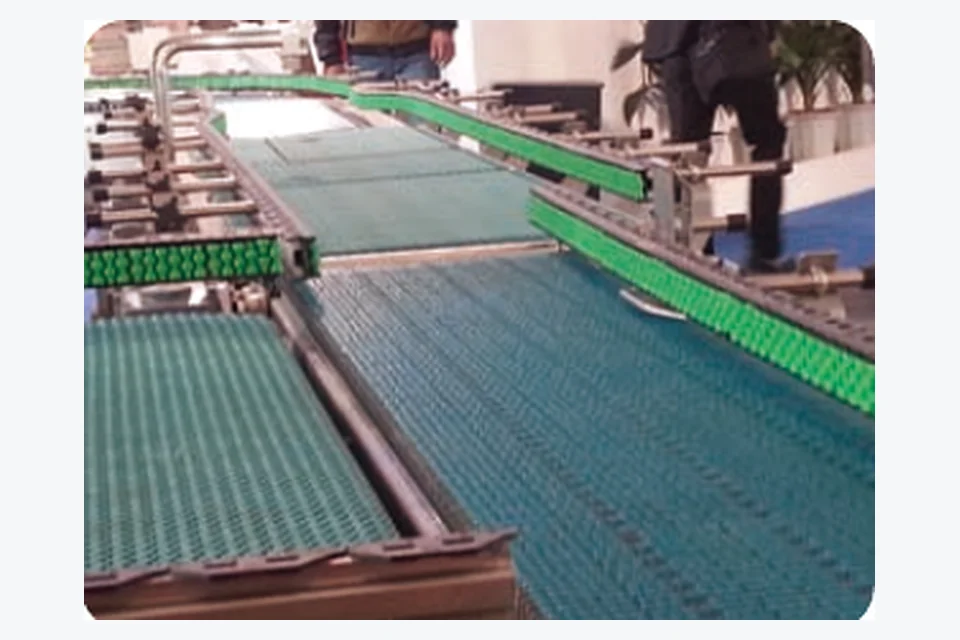
Flat, open-grid, radius and specialty configuration families across the reference pitch range.
EVER POWER supplies plastic modular belt configurations, conveyor accessories and related plastic chains for OEM, system-integration, distribution and replacement projects. The modular-belt programme is organised around measurable conveyor geometry and buyer application needs.
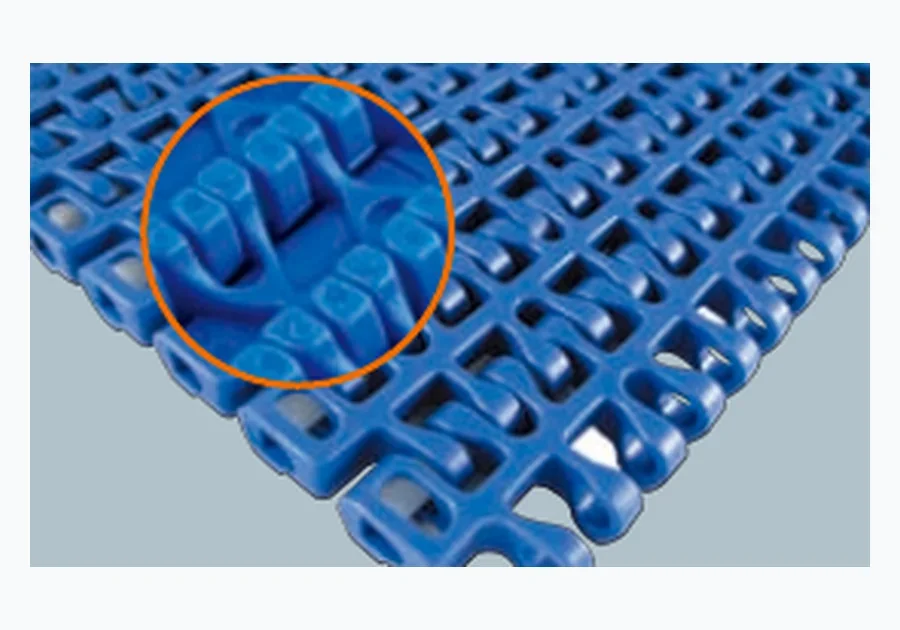
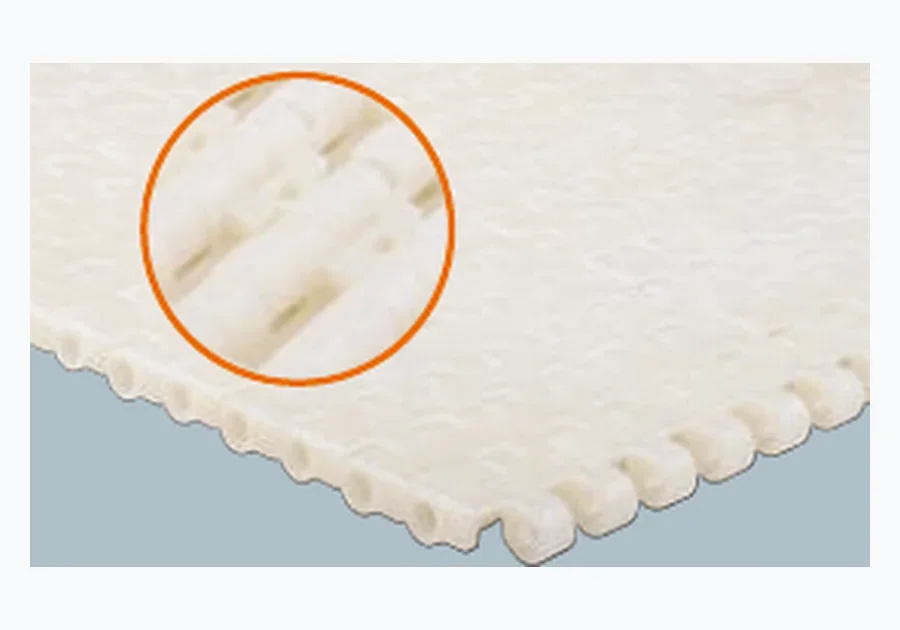
Plastic modular belts are simple to describe at category level and easy to mismatch at interface level. Our public product structure therefore starts from the factors a buyer can verify: pitch, conveying face, open area, straight or radius path, belt width and the components that drive and support the belt.
For replacement work, this allows an old belt to be approached from measurements and photographs even when a readable model code is not available. For new conveyor projects, the same structure creates a practical RFQ: define the product and process, then the path, pitch/face direction and drive/accessory interfaces.
Flat, open-grid, radius and specialty configuration families across the reference pitch range.
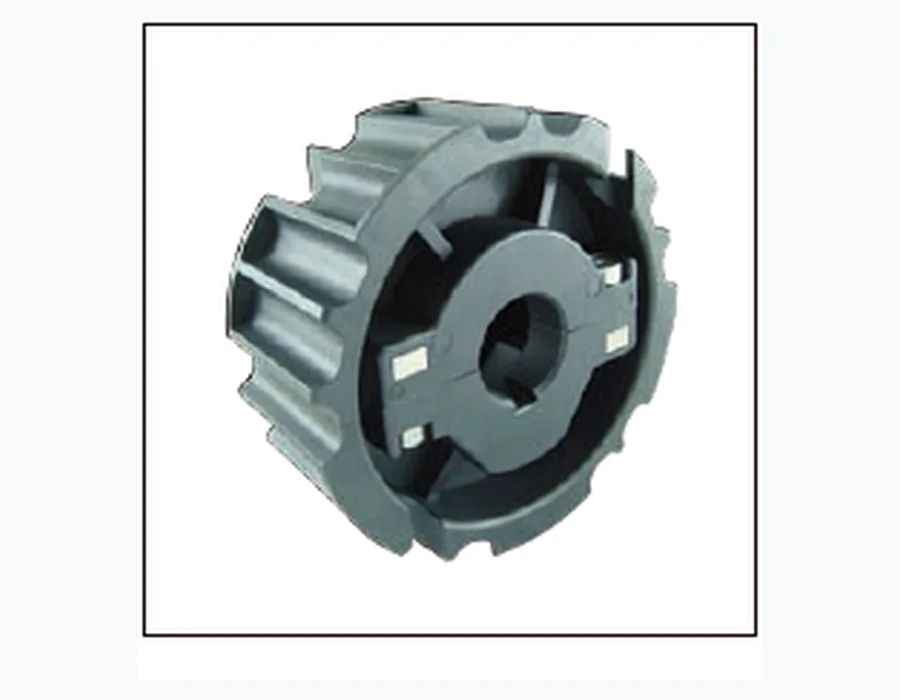
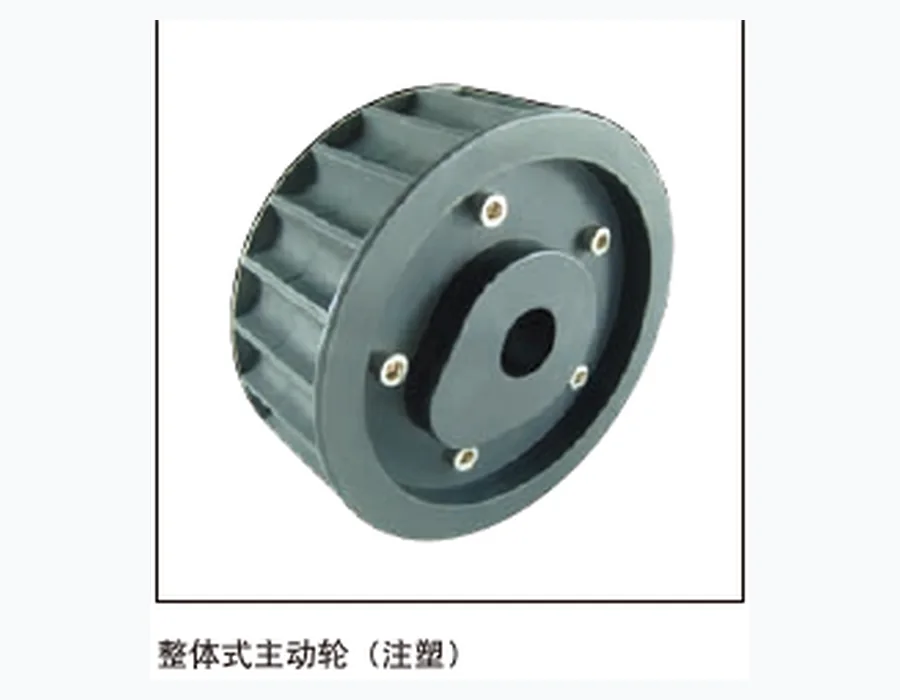
Drive and idler components matched around belt underside geometry, tooth engagement and shaft interface.
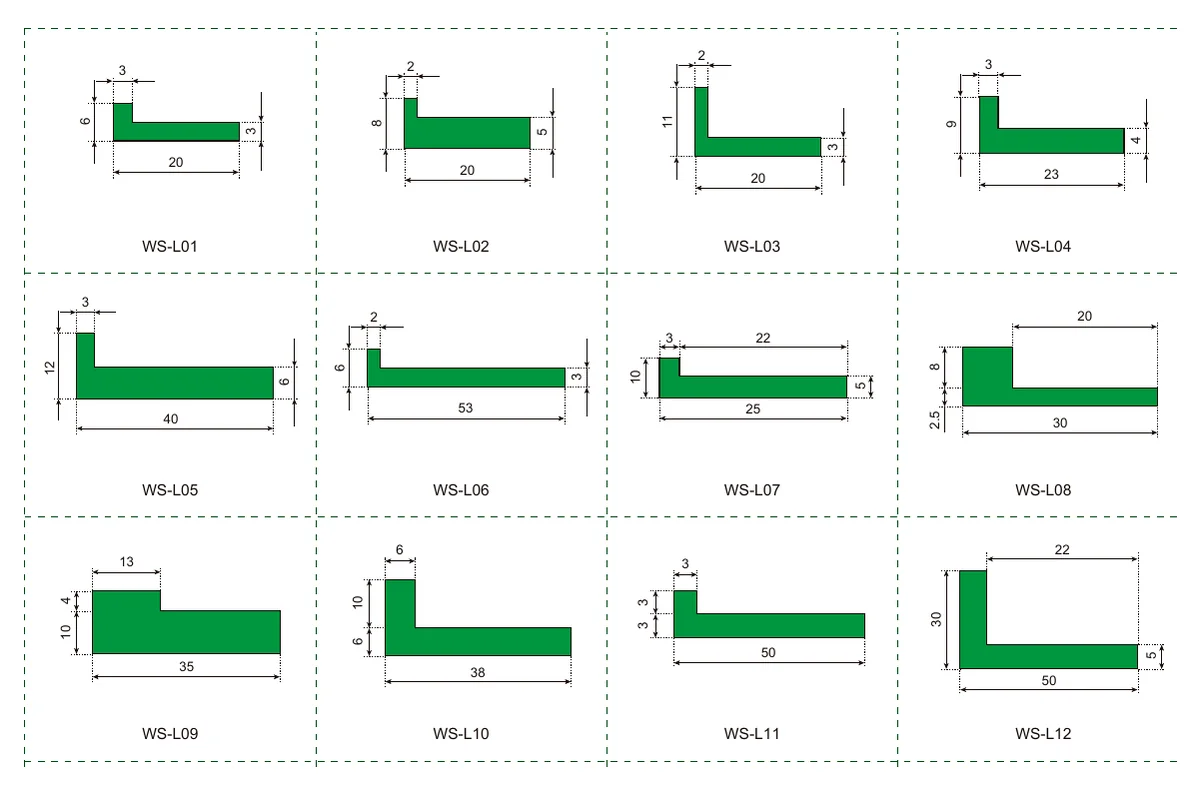
Connecting and support components for modular-belt and plastic-chain conveyor frames.
Flat-top and side-flexing conveyor-chain directions for narrower packaging and product-transfer duties.
New equipment, transfer geometry, belt width and drive/accessory specification.
Application-driven selection across food, packaging and automation lines.
Replacement identification and spare-component matching from physical measurements.
Refurbishment, belt/accessory replacement and project-specific documentation.
The first review is about identification and duty. If the product is already known, confirm the current dimensions and the conveyor conditions. If it is unknown, use pitch, width, face pattern, underside and sprocket engagement to narrow the mechanical family. Then add product load, speed, wet/dry environment, transfer geometry and any curve radius.
Once the mechanical direction is clear, the quotation can address the commercial scope: quantity, belt length/width, required accessories, destination and project documents. Unknown operating limits are not filled with generic values; they are confirmed for the selected configuration.
| Item | What should be confirmed |
|---|---|
| هندسه تسمه | Pitch, width, face/open pattern, hinge/pin and edge form |
| Running path | Straight or radius; inside radius/width relation where applicable |
| رانندگی | Sprocket geometry, tooth count, shaft/bore and spacing |
| Support/guidance | Wear-strip and guide-track section and mounting |
| وظیفه | Load, speed, environment, cleaning and process contact |
| Documentation | Drawings, material information or inspection items required for the project |
A useful quality discussion states what must fit and what the buyer needs confirmed. It does not rely on unsupported factory-size, capacity, certification or instrument claims. Dimensional checks, visual/assembly confirmation and requested project documents should be tied to the actual ordered belt or component.
Where a buyer needs a specific material property, temperature limit, chemical-resistance statement or regulatory document, that requirement should appear in the RFQ so the selected configuration can be confirmed before order release.
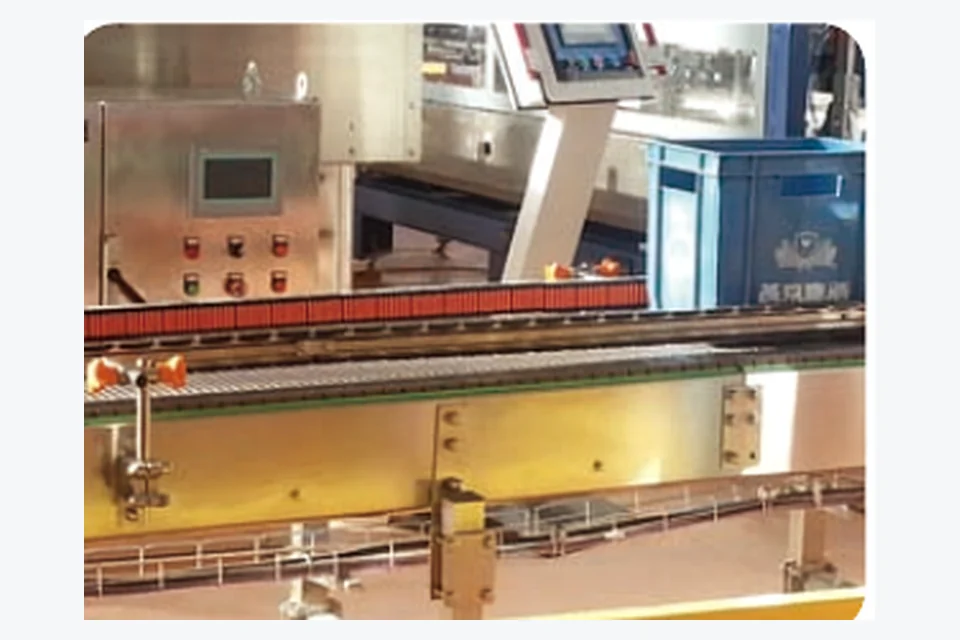
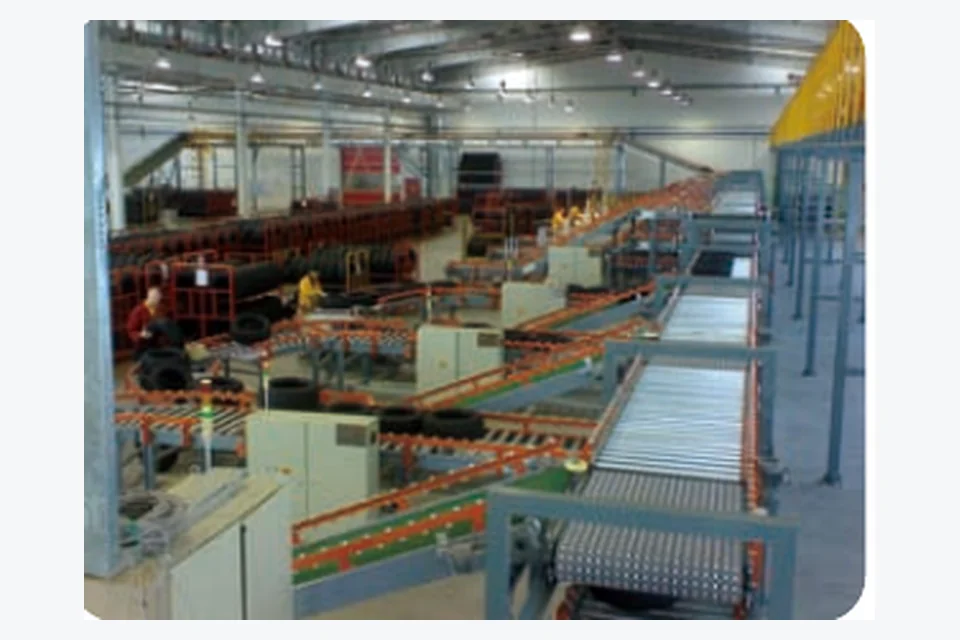
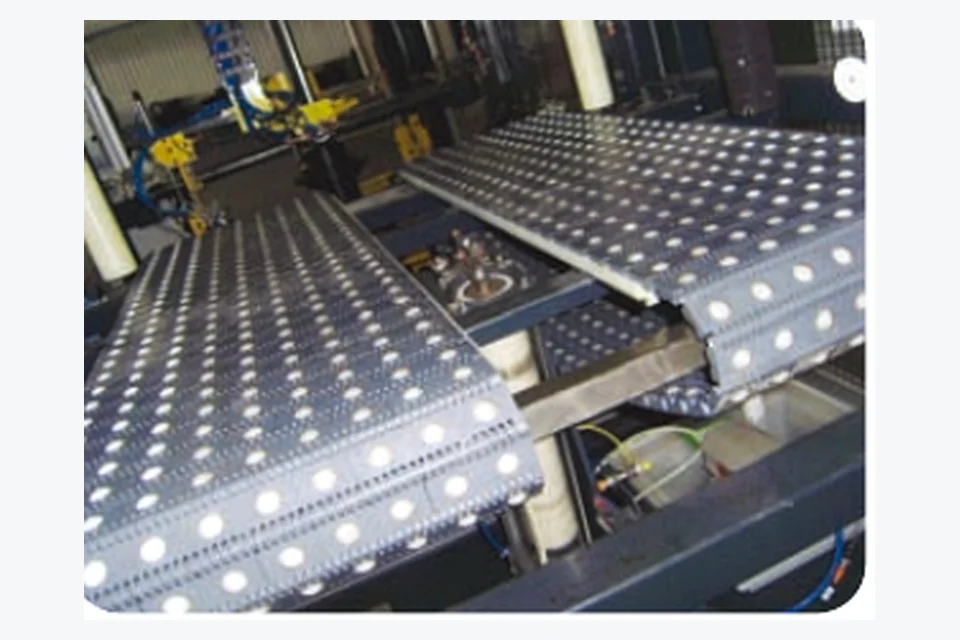
The same modular platform serves very different buyer decisions. Food and wash lines emphasise support, drainage and cleaning. Packaging and beverage lines emphasise container stability, guides and machine transfers. Logistics focuses on duty cycle and service interfaces. Precision-part handling focuses on small footprints and tight transfers. Our application pages keep those decisions separate instead of presenting one generic “industrial conveyor” story.
| Project type | Useful starting package |
|---|---|
| New conveyor | Plan/side sketch, product, width, path, transfers, load/speed and proposed drive |
| Machine OEM | Target belt width, envelope, transfer geometry, shaft/bore and accessory requirements |
| Replacement | Top/underside photos, pitch, width, hinge/pin, sprocket and conveyor path |
| Refurbishment | Existing belt plus guide/wear-strip/sprocket condition and required replacement scope |
| Distribution / spare programme | Stable product identification, expected quantities and requested documentation |
Send the dimensions and photographs you already have. A useful project review can begin before every field is complete, as long as missing data is identified rather than guessed.