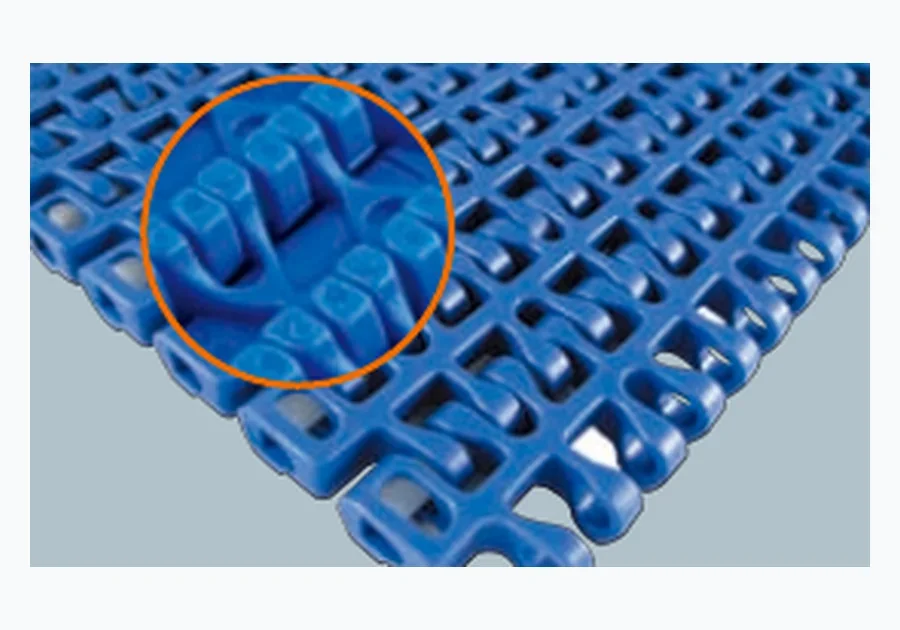
Open Grid Plastic Modular Belts
از این خانواده به عنوان جهت انتخاب استفاده کنید، سپس گام، سطح، عرض و رابط نقاله واقعی را تأیید کنید.
Produce lines commonly combine washing, dewatering, visual inspection, grading and packing. Because the product changes condition as it moves through the line, one belt face does not have to serve every section.
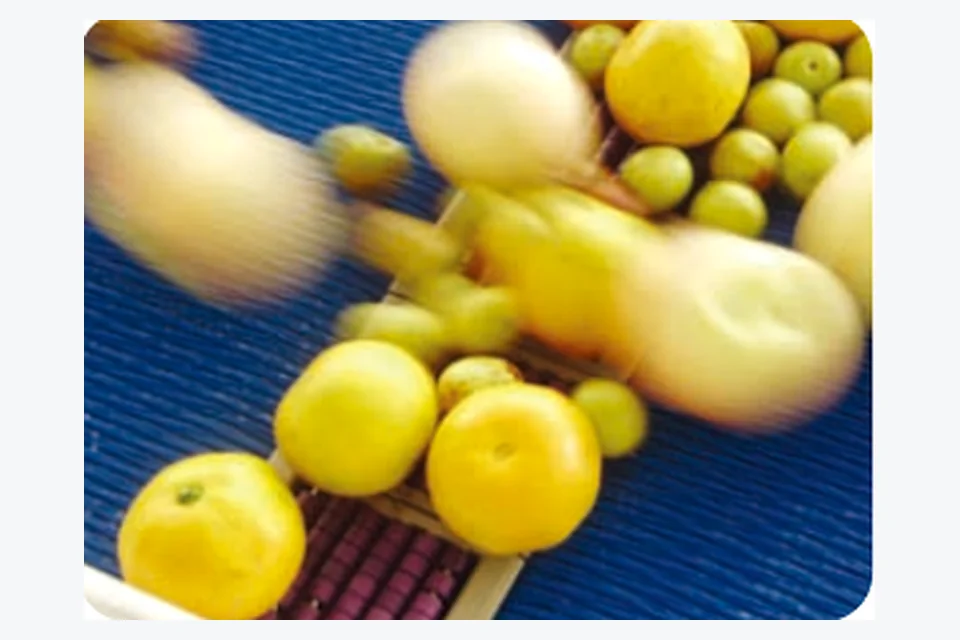
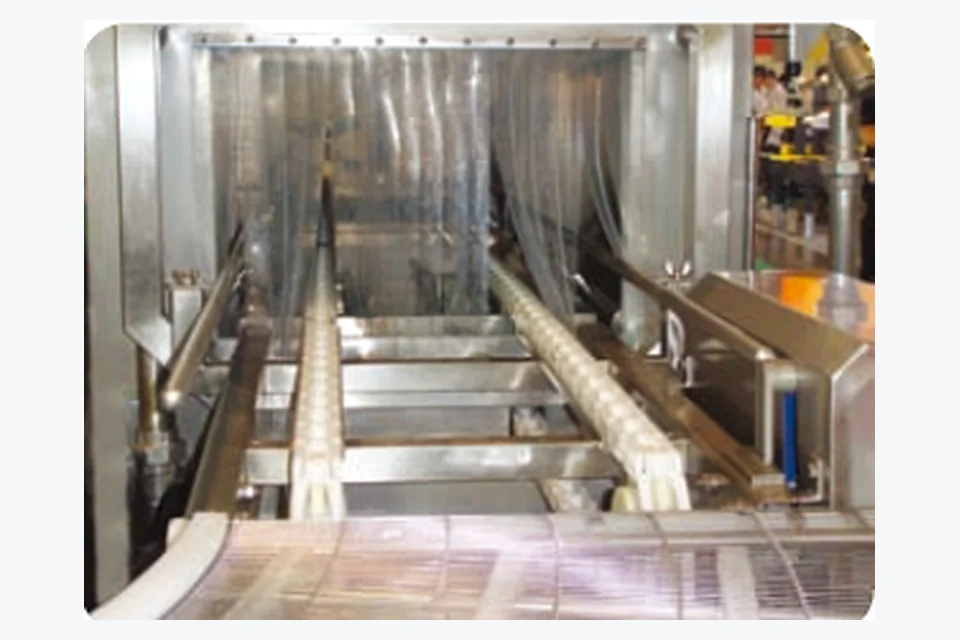
Start by dividing the process into wet and dry zones. Washing and dewatering can reward open area; visual inspection may need a stable presentation surface; grading can add lane or guide requirements; packing often needs predictable carton or tray transfers.
For Modular Belts for Produce Sorting & Post-Harvest, the conveyor should be described as a specific process position rather than only by a belt name. That gives a new-design or replacement RFQ enough context to distinguish support, opening, path and drive needs.
| ورودی | چه چیزی را توصیف کنیم |
|---|---|
| Produce | Size range, shape and bruise sensitivity |
| Wet process | Wash volume, debris and drainage need |
| Inspection | Manual/vision inspection and product presentation |
| Grading | Lane changes, gates or diverters |
| Packing | Tray/carton transfer and guides |
| Cleaning | Cleaning frequency and debris release |
Small produce can drop into an oversized opening, wet debris can collect around support strips, and fragile items can bruise at transfers. A belt selected only for drainage can therefore create a downstream handling problem.
For Modular Belts for Produce Sorting & Post-Harvest, solve product support, process opening, conveyor path and drive compatibility first. Material and project documentation can then be confirmed for the selected configuration.
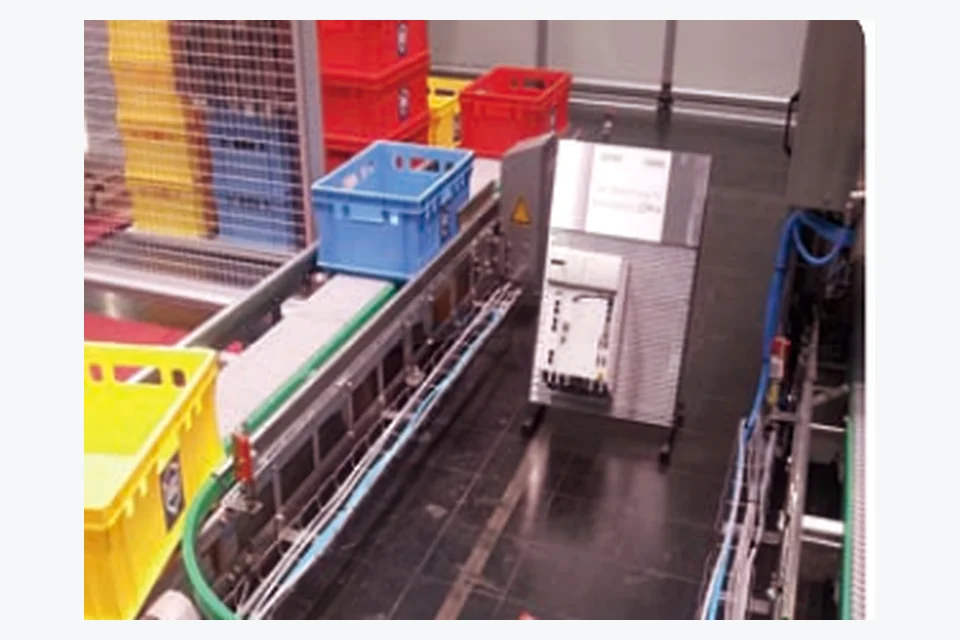
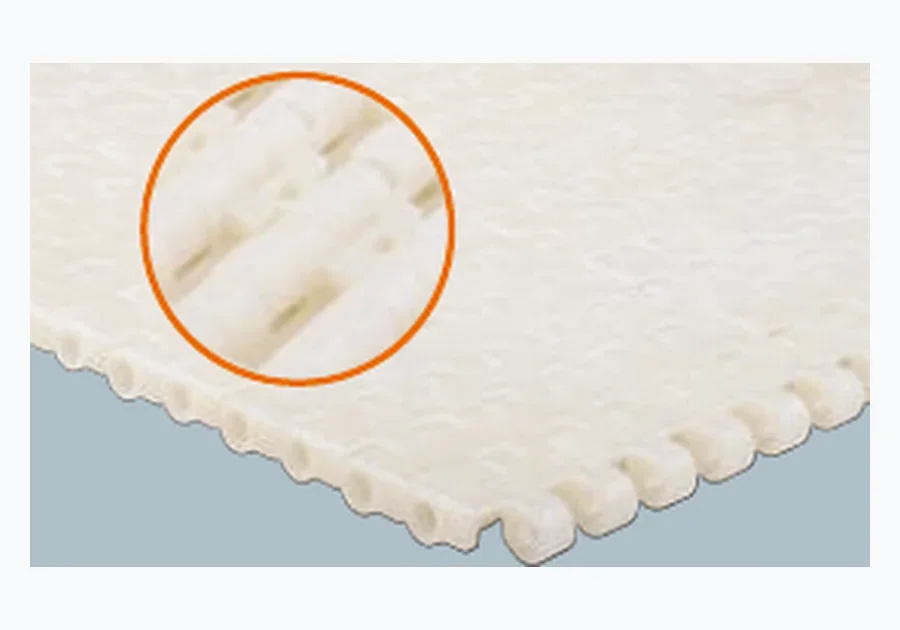
Use open-grid faces in the sections where water/debris must pass through, but compare the actual opening pattern with the smallest item. Flat faces are often better downstream when stable inspection or packing support becomes the priority.
Fine or medium pitch can help where product size and transfer geometry are tight. Broader-pitch open-grid families can be considered when the produce footprint is larger and drainage is more important.
The comparison range includes several open-area steps from 14% to 38% on straight belts. Use them as engineering reference points and specify what the line must drain or release.
Produce packhouses frequently turn conveyors around equipment. If the belt itself follows a curve, supply radius geometry; if only the product guide curves on a straight belt, describe that separately.
| ورودی منحنی | چرا مهم است؟ |
|---|---|
| عرض تسمه | قابلیت شعاع به خانواده و عرض انتخاب شده مربوط میشود |
| شعاع داخلی | الزام نوبت را تعریف میکند |
| زاویه منحنی | مسیر کلی را از طریق سیستم راهنما تنظیم میکند |
| مشخصات راهنما | مکان و سایش را در طول منحنی کنترل میکند |
| موقعیت رانندگی | نحوه ورود/خروج تسمه از پیچ را تغییر میدهد |
| ردپای محصول | بررسی پایداری و پشتیبانی در طول پیچ |
از این خانواده به عنوان جهت انتخاب استفاده کنید، سپس گام، سطح، عرض و رابط نقاله واقعی را تأیید کنید.
از این خانواده به عنوان جهت انتخاب استفاده کنید، سپس گام، سطح، عرض و رابط نقاله واقعی را تأیید کنید.

از این خانواده به عنوان جهت انتخاب استفاده کنید، سپس گام، سطح، عرض و رابط نقاله واقعی را تأیید کنید.
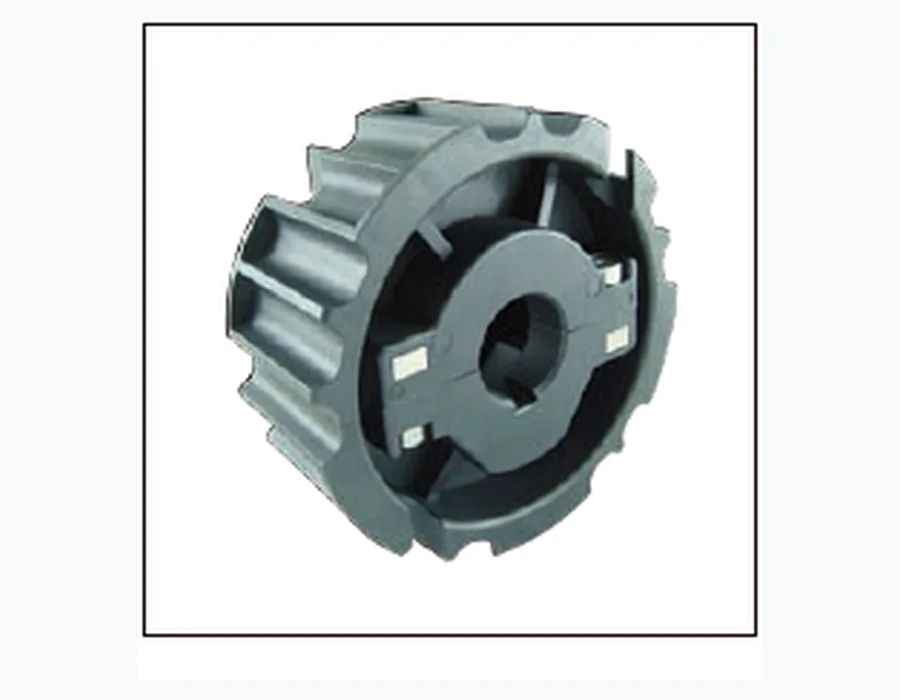
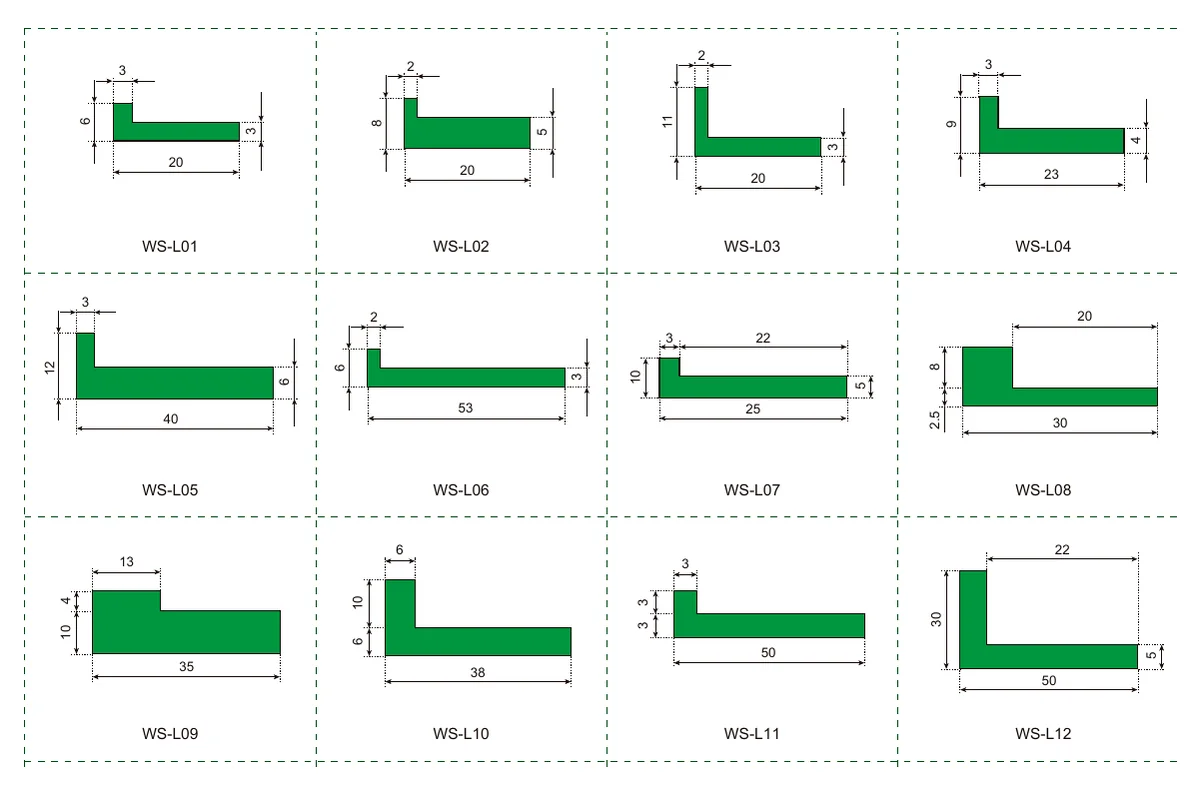
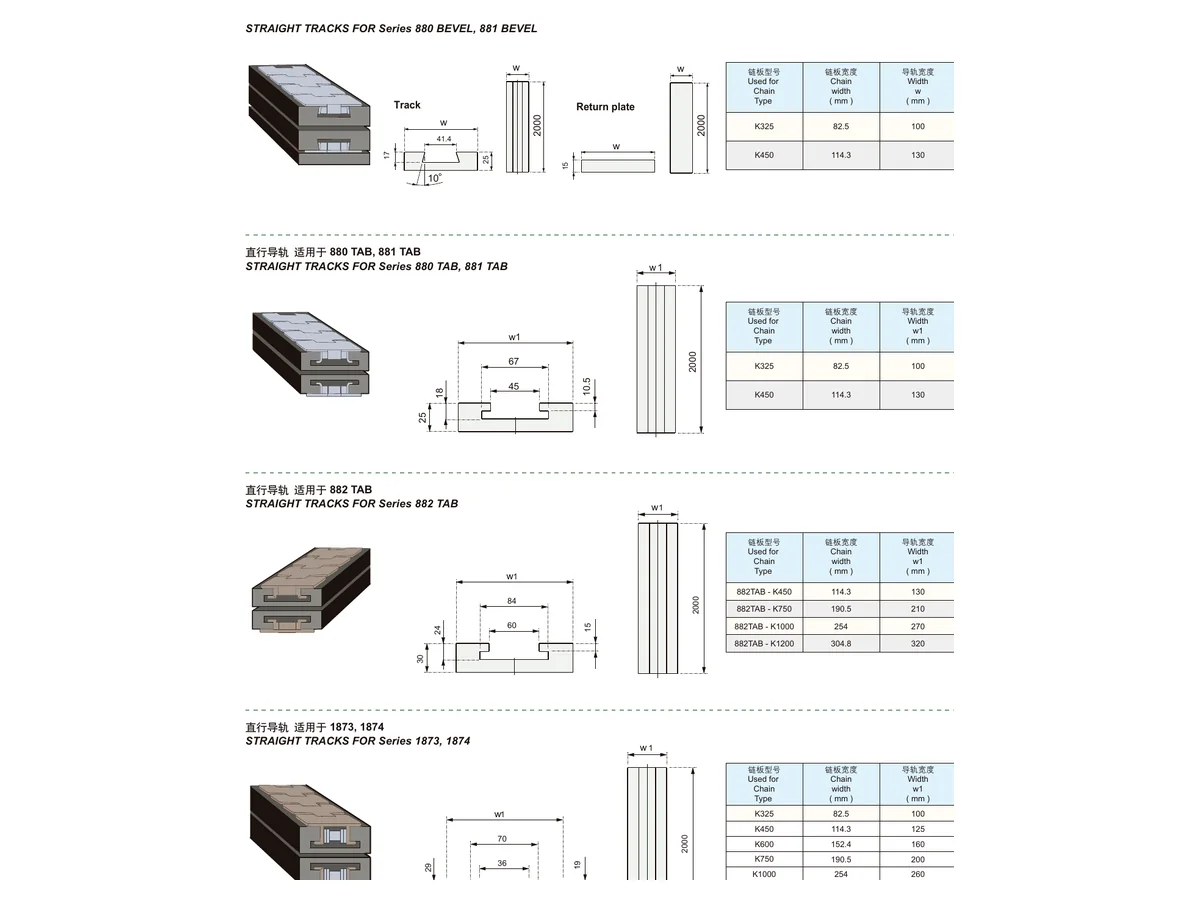
On a modular belts for produce sorting & post-harvest conveyor, sprockets, pins, support strips and guide profiles belong in the review whenever they affect the process or refurbishment scope. Pitch is only one drive input; underside geometry and tooth engagement still have to match. Measure wear-strip and guide sections wherever they locate the belt or product.
Inspect openings and return supports for organic debris, verify guide rails do not damage produce, and check the belt/sprocket interface after cleaning changes or conveyor modifications.
For a new modular belts for produce sorting & post-harvest installation, verify belt direction or orientation where applicable, sprocket position and engagement, guide clearance, return support and transfer alignment. For replacement work in this duty, compare the old wear pattern with the surrounding conveyor before assuming the belt itself caused the problem.
| مساحت | ارسال |
|---|---|
| کاربرد | مرحله فرآیند و محصول منتقل شده |
| هندسه تسمه | گام در صورت مشخص بودن، عرض، سطح/فضای باز و طول کلی/فاصله مرکز |
| مسیر نقاله | مستقیم/منحنی، شعاع داخلی و نقاط انتقال |
| رانندگی | عکسها/نقشههای چرخدنده، تعداد دندانهها، شفت/سوراخ و فاصلهگذاری |
| وظیفه | بار، سرعت، شرایط مرطوب/خشک، نظافت و محیط مربوطه |
| تجاری | مقدار، مقصد، مرحله پروژه و مدارک درخواستی |
Not necessarily. The best face can change once drainage is no longer the main process requirement.
Size range, shape, fragility, wet/dry process steps and the smallest transfer point.
No. Pitch, surface pattern, path and sprocket/interface geometry remain part of the selection.
Send the information already available for the modular belts for produce sorting & post-harvest section. A drawing is useful, but a clear photo set plus a few measured dimensions can also start the configuration review.