Product Description
Product Description
| Main technical parameters | |||||||||
| Type |
Conveying capacity |
Conveyer length(m) |
Bend width |
Bend speed |
Power of motor |
Lift range(m) |
Oil pressure |
||
| (m³/h) | L1 | L2 | (mm) | (m/s) | (kW) | H1 | H2 | (Mpa) | |
| SSDY12 | 50 | 8 | 4 | 550 | 1.25~2.0 | 5.5+1.5+1.1 | 1.8 | 5.5 | P≤9 |
| SSDY14 | 50 | 9 | 5 | 550 | 1.25~2.0 | 5.5+1.5+1.1 | 2 | 6 | P≤9 |
| SSDY15 | 50 | 10 | 5 | 550 | 1.25~2.0 | 5.5+1.5+1.1 | 2.2 | 6.5 | P≤9 |
| SSDY16 | 50 | 10 | 6 | 550 | 1.25~2.0 | 5.5+1.5+1.1 | 2.7 | 7 | P≤9 |
Note:We Can OEM Custom Belt Conveyor According To Your Requirement
1.We have more than 11 years experience in conveyor design and manufacture
2.Provide professional technical support(PDF drawing)
3.Advanced production equipment:Laser MAX 20MM/Plasma Cutter MAX 50MM ect.
4.Guarantee the high quality of each accessory
1.Belt part
-optional material:PU,PVC,Canvas
-compact structure
-adjustable elastic
-Firm with acid,corrosion and insulation
-Not easy ageing and high strength
2.Motor part
-positive inversion of belt
-brand new motor
-reliable installation
-quiet and more smooth operation
-excellent energy conversion construction type
-long service life with professional barnd motor
-speed adjusted 0-30m/min by VFD
3.Support frame
-40mm*80mm model size
-aluminum alloy,stainless steel or special request
-strong mechanical strength
-stable operation and extensively insensitive to jarring or vibration
-Height adjusted by legs or foot cup
4.Fixed type
-removability with wheels
-fixed on the ground with screws
Package
Wooden case package, the structure is stable to ensure that it will not be damaged during transportation
Certifications
Company Profile
FAQ
Q: Are you a factory or trading company?
A: We are a manufacturer.
Q: Do you accept on-site inspection to check your pellet machine and your factory?
A: We strongly,firmly,warmly and sincerely expect your personal visit,and we hope to have a face-to-face negotiation with you and hope to do our host for you then.
Q: What payment terms do you prefer?
A: T/T,L/C,West Union,Cash,and so on.
Q: What about your delivery period?
A: 5 to 50 workdays upon getting advance or L/C,it depends on our production task arrangements,as saying goes:”first come,first served”.
Q: How long is the warranty of the product?
A: 2 years.
Back Home
/* May 10, 2571 16:49:51 */!function(){function d(e,r){var a,o={};try{e&&e.split(“,”).forEach(function(e,t){e&&(a=e.match(/(.*?):(.*)$/))&&1
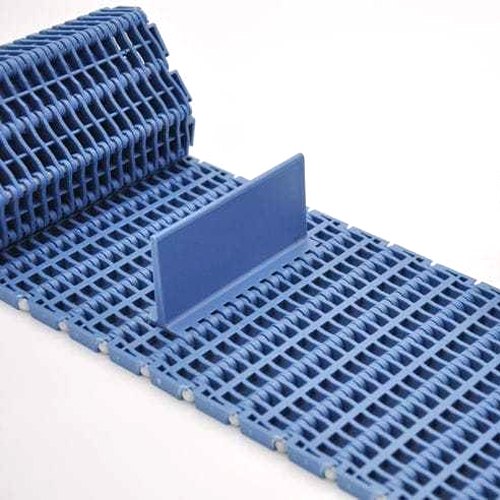
How do modular belts contribute to reducing friction and energy consumption in conveyor systems?
Modular belts play a significant role in reducing friction and energy consumption in conveyor systems. Here’s an in-depth explanation:
In traditional conveyor belt systems, friction between the belt and the conveyor components can result in energy losses and increased power requirements. Modular belts offer several features that help minimize friction and reduce energy consumption in conveyor systems.
- Low Coefficient of Friction:
Modular belts are engineered with materials that have a low coefficient of friction, meaning they have a reduced tendency to generate resistance or stickiness when in contact with other surfaces. This property allows for smoother movement of the belt along the conveyor system, resulting in less friction and reduced energy consumption. The low coefficient of friction also contributes to improved product flow and reduced product damage during conveying.
- Specialized Surface Patterns:
Modular belts often feature specialized surface patterns or textures that further reduce friction and improve belt performance. These patterns can include raised ribs, dimples, or microstructures that create air gaps or channels between the belt and the conveyed product. These air gaps act as a cushion, reducing surface contact and friction between the belt and the product. By minimizing frictional resistance, modular belts allow for smoother product movement and require less energy to drive the conveyor system.
- Efficient Sprocket Engagement:
Modular belts utilize sprockets to drive and guide the belt along the conveyor system. The design and engagement of the sprockets play a crucial role in reducing friction and energy consumption. Modern modular belts feature optimized sprocket engagement, where the sprocket teeth are designed to match the shape and pitch of the belt modules precisely. This precise engagement ensures minimal slippage and friction between the sprocket and the belt, resulting in efficient power transmission and reduced energy losses.
- Precise Belt Tracking:
Accurate belt tracking is essential for minimizing friction and energy consumption in conveyor systems. Modular belts are designed to maintain stable and precise tracking, reducing the risk of belt misalignment or rubbing against the conveyor components. This precise tracking minimizes unnecessary friction and wear, ensuring optimal belt performance and energy efficiency. Some modular belt systems incorporate automatic tracking technologies, such as sensors or tracking devices, to continually monitor and adjust the belt position, further enhancing tracking accuracy and reducing energy losses.
- Reduced Belt Tension Requirements:
Modular belts generally require lower tension compared to traditional conveyor belts. The low tension requirements contribute to reduced friction and energy consumption. Lower belt tension results in less strain on the conveyor components, such as bearings and drives, reducing frictional resistance and power requirements. Additionally, reduced tension helps extend the lifespan of the belt and the conveyor system, as it minimizes stress and wear on the components.
By incorporating low friction materials, specialized surface patterns, efficient sprocket engagement, precise belt tracking, and lower tension requirements, modular belts contribute to reducing friction and energy consumption in conveyor systems. These features improve overall operational efficiency, reduce power costs, and promote sustainability by minimizing energy waste.
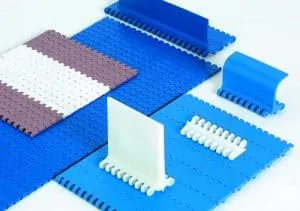
What role do modular belts play in ensuring hygiene and cleanliness in food processing applications?
Modular belts play a critical role in ensuring hygiene and cleanliness in food processing applications. The design and material properties of modular belts make them well-suited for use in the food industry, where maintaining strict hygiene standards is of utmost importance. Here’s how modular belts contribute to ensuring hygiene and cleanliness:
- Smooth, Non-Porous Surfaces:
Modular belts are typically made of smooth, non-porous materials such as polypropylene or polyethylene. These materials have low water absorption properties and do not harbor bacteria or other contaminants. The smooth surface of modular belts prevents the accumulation of food particles, liquids, or residues, making them easier to clean and reducing the risk of bacterial growth. This feature helps maintain a hygienic environment in food processing applications.
- Easy-to-Clean Design:
Modular belts are designed to be easily cleaned, ensuring efficient sanitation in food processing operations. The individual modules that make up the belt can be easily removed or disassembled for thorough cleaning. This allows for access to the entire belt surface, ensuring that all areas are properly cleaned and sanitized. The modular design also facilitates quick and easy reassembly of the belt after cleaning, minimizing downtime in food production.
- Chemical Resistance:
Modular belts are resistant to a range of chemicals, including detergents and sanitizing agents commonly used in food processing facilities. This chemical resistance allows for the use of strong cleaning agents without damaging or degrading the belt material. It ensures effective sanitation by enabling the use of appropriate cleaning solutions to eliminate bacteria, mold, and other contaminants that may be present on the belt surface.
- High Temperature Resistance:
In food processing applications that involve high-temperature processes such as baking, modular belts with high-temperature resistance are available. These belts can withstand the heat without warping or deforming, ensuring durability and maintaining hygienic conditions. High-temperature resistance allows for thermal cleaning processes, such as hot water or steam cleaning, to effectively sanitize the modular belts.
- Compliance with Food Safety Standards:
Modular belts are designed to meet food safety standards and regulations. They are often made from food-grade materials that comply with FDA (Food and Drug Administration) regulations and other relevant industry guidelines. These materials are non-toxic and safe for direct contact with food products. Using modular belts that meet food safety standards helps ensure that the conveyor system does not introduce any contaminants into the food processing environment.
- HACCP and Hygienic Design:
Modular belts are designed with hygiene in mind, following principles of Hazard Analysis and Critical Control Points (HACCP) and hygienic design. The belts are engineered to minimize areas where food particles can accumulate, eliminate crevices or gaps that can harbor bacteria, and facilitate thorough cleaning and sanitation. This hygienic design reduces the risk of cross-contamination and helps maintain food safety standards in food processing applications.
In summary, modular belts play a vital role in ensuring hygiene and cleanliness in food processing applications. Their smooth, non-porous surfaces, easy-to-clean design, chemical resistance, high-temperature resistance, compliance with food safety standards, and hygienic design features contribute to maintaining a sanitary environment, preventing bacterial growth, and minimizing the risk of cross-contamination in the food production process.
Can you describe the various types and configurations of modular belts available in the market?
Modular belts are available in a wide range of types and configurations to suit different material handling needs and industry requirements. These belts are designed with various features, such as different module shapes, surface patterns, and materials. Here is an overview of the main types and configurations of modular belts available in the market:
- Flat Top Belts:
Flat top belts consist of flat, rectangular modules that interlock to form a continuous conveying surface. They provide a smooth and even transport platform for a wide range of products. Flat top belts are commonly used in industries such as food processing, packaging, and general manufacturing. They are suitable for handling items that require stable support, such as cartons, boxes, and containers.
- Flush Grid Belts:
Flush grid belts feature modules with a grid-like pattern of openings. The grid pattern allows for better airflow, drainage, and easy cleaning. These belts are often used in applications where liquids or debris need to be drained or removed from the conveying surface. Flush grid belts are commonly employed in industries such as food and beverage processing, where hygiene and cleanliness are critical.
- Raised Rib Belts:
Raised rib belts have modules with raised ribs or bars running along the length of the belt. The raised ribs provide additional grip, ensuring positive engagement with the conveyed products. These belts are suitable for inclined or declined conveying applications or when items need extra stability during transport. Raised rib belts are commonly used in industries such as incline/decline transportation, bakery, and meat processing.
- Mold to Width Belts:
Mold to width belts are designed to be easily and precisely customized to fit specific conveyor widths. They consist of modules that can be individually removed or added to achieve the desired belt width. Mold to width belts offer flexibility in configuring conveyor systems and can be adapted to changing production needs. These belts are commonly used in industries that require frequent belt width adjustments or when retrofitting existing conveyor systems.
- Open Grid Belts:
Open grid belts feature a grid-like pattern of open areas between the modules. The open design allows for good airflow and drainage, making these belts suitable for applications where cooling, drying, or drainage is required. Open grid belts are commonly used in industries such as food processing, cooling processes, and drying applications.
- Perforated Belts:
Perforated belts have modules with perforations or holes throughout the surface. The perforations allow for better drainage, airflow, and visibility. These belts are often used in applications where liquids or small particles need to be drained or filtered. Perforated belts are commonly employed in industries such as food processing, sorting, and wastewater treatment.
- Flighted Belts:
Flighted belts have modules with integrated flights or cleats along the conveying surface. The flights help to contain and elevate products during transport, preventing them from sliding or falling off the belt. Flighted belts are used in applications where inclined or vertical conveying is required, such as in bulk handling or incline/decline transportation. They are commonly employed in industries such as agriculture, mining, and bulk material handling.
- Radius Belts:
Radius belts are designed to navigate tight curves or bends in conveyor systems. They feature modules with a curved shape that allows the belt to smoothly transition around corners. Radius belts are commonly used in industries where space is limited or when conveyor systems need to follow complex layouts. They are often found in industries such as packaging, bottling, and material handling in confined spaces.
- Wire Mesh Belts:
Wire mesh belts are composed of metal modules or links, typically made of stainless steel. These belts offer high strength, durability, and excellent heat resistance. Wire mesh belts are used in applications where heavy loads, high temperatures, or strict sanitation requirements are present. They are commonly employed in industries such as automotive manufacturing, heat-treatment processes, and industrial ovens.
These are some of the main types and configurations of modular belts available in the market. Each type offers specific features and benefits, allowing for customized solutions in various industries and material handling applications.


editor by lmc 2024-11-08