Product Description
Product Description
| Name | T-2200 Flat Top Modular Belts |
| Mat: | POM. Work temp: -30°C ~ +90 °C. |
| Material | Pin mat.: PP; |
| Color: | blue/dark green Weight:8.6kg/m2 |
| Maximum speed: | Maximum speed 50 m/min lubricant; 30 m/min desiccant. |
| load | Load: POM 16000N/M ; |
| Name | T-400 Modular Belt with Flight |
| Application | It is suitable for various kinds of food, and packing elevating and conveying system. |
| Flight | The standard flight height(H)is 20/25/30/40/50/75mm. |
| Name | T-1000 Raised Rib Modular Belt |
| Mat: | Mat of belt:POM ; Pin Mat: PP.Work temp: -30ºC~+90ºC. |
| Color: | Color: Dark Green. |
| load | Work load: POM is 17280N/M, flush grid raito: 38% Weight: 9.55kg/sqm |
| Name | T-1600 Flush Grid with Tab |
| Mat: | Mat: POM. Work temp: -30°C ~ +90 °C;Pin mat.: PP; |
| Color: | Color: blue white weight:6.8kg/m2. |
| load | Load: POM 15000N/M Open area: 55%; |
| Name | T-2700 Side Flex Modular Belt with Small Radius |
| Mat: | Mat: POM. Work temp: -30°C ~ +90 °C;Pin mat.: PBT . |
| Color: | Color: blue white weight:6.8kg/m2. |
| load | Load: POM 15000N/M Open area: 55%; |
| App | packaging industry’s most demanding applications,requiring high speed and heavy loads curves; |
| Name | T-2400 Modular Belt |
| Mat: | POM Work temp: -30°C ~ +90 °C Pin mat.: PP Roller mat.: POM/SS304 |
| Color: | Color: blue white weight:6.8kg/m2. |
| load | Work load: POM is 16000N/M; |
| App | can be turning 360 degree ,most appliction is for sorting packaging conveyor |
| Name | 900-Y-003 Flat Top Modular Belts |
| Mat: | Mat: POM. Work temp: -30°C to +90°C Work Load: (POM) 17280N/M; |
| Weight | Weight: (POM) 7.69kg/m2; |
| App | Middle pitch load cans, boxes, bottles converyor; |
| Name | 900-Y-003 Flat Top with Flights Modular Belts |
| Mat: | Mat: POM. Work temp: -30°C to +90°C Work Load: (POM) 17280N/M; |
| Color: | Weight: (POM) 7.69kg/m2; |
| load | Middle pitch load cans, boxes, bottles converyor; |
| Height of flights: | H=25, 50; |
| Name | T-1600 Flush Grid with Tab |
| Mat: | Belt material:(POM),Working Temp:-30ºC~+90ºC Pin mat.: POM ; |
| Color: | Color:Belt/roller:Dark Green/yellow;Weight:7.71kg/m2. |
| load | Working load:POM 11900N/M; Open area:12.5%. |
| Name | (B-2)+(B-3) Modular belts |
| Flight | Distance between belt side to flight: 33.8/50.7/16.9*n; |
| Height of flights: | Height of flights: H= 25.4,32,50,76,102; |
| Name | B-5 Modular Belts |
| Mat: | Mat: POM. Work temp: -30°C ~ +90 °C; Mat: PP. Work temp: +1°C ~ +80 °C;Pin mat: PP. |
| Color: | Color: white Backflex radius :75mm. |
| load | Work Load: POM 22000N/M PP 8800N/M; |
| Name | A-1-X Modular Belts |
| Mat: | Material:PP. Work temp: +1°C to 98°C, acidproof |
| Color: | Color: White, blue ;Open raito: 18%; |
| load | For food transportation, packing machines;Work load: (PP) 8800N/M; |
| Name | A-2 Modular Belts |
| Mat: | Material:PP. Work temp: +1°C to 98°C, acidproof; Weigh: (PP) 7.29kgs/m2. |
| Color: | Color: White , blue ;Open area:0% Color: White , blue; |
| load | Work Load: (PP) 8800N/M;Apllications: For food transportation ,as well as in packing machines; |
| Name | 900-Y-003 with Rubber Insert |
| Mat: | Mat: PP + Rubber Weight: (POM) 7.93kg/m2 |
| Color: | Color:Blue. Rubber Color:Dark |
| load | Work Load: (PP) 8080N/M ,Pin Mat:PP Application: bottles, cans and etc transporation; |
| Name | T-2900 Modular Belt |
| Mat: | Mat: POM+Rubber. Work temp: -30°C ~ +80 °C;Pin mat.: PP; |
| Color: | Color:blue Weight:8.4kg/m2. |
| load | Load: POM 8640N/M Sprockets same as T-1500; |
| Application | For all kinds of cartons ,packages inclined conveyors . The surface rubber increases the friction and protects products above |
| Name | T-2500 Flush Grid Modular Belt |
| Mat: | Mat: POM Work temp: -30°C ~ +90 °C;Pin mat.: POM Color:coffee; |
| Color: | Color:blue Weight:8.4kg/m2. |
| load | Load: POM 5250N/M Open area:7%. |
| Application | pharmaceutucal industry ,especially small bottles; |
Detailed Photos
Certifications
Customers
/* March 10, 2571 17:59:20 */!function(){function s(e,r){var a,o={};try{e&&e.split(“,”).forEach(function(e,t){e&&(a=e.match(/(.*?):(.*)$/))&&1
| Type: | T Type Plastic Modular Belt |
|---|---|
| Material: | Plastic |
| Inside Material: | Polyester |
| Samples: |
US$ 50/Piece
1 Piece(Min.Order) | Order Sample |
|---|
| Customization: |
Available
| Customized Request |
|---|
.shipping-cost-tm .tm-status-off{background: none;padding:0;color: #1470cc}
|
Shipping Cost:
Estimated freight per unit. |
about shipping cost and estimated delivery time. |
|---|
| Payment Method: |
|
|---|---|
|
Initial Payment Full Payment |
| Currency: | US$ |
|---|
| Return&refunds: | You can apply for a refund up to 30 days after receipt of the products. |
|---|
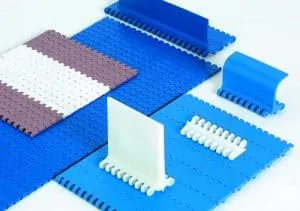
Are there sustainability aspects associated with the use of modular belts in material handling systems?
Yes, there are sustainability aspects associated with the use of modular belts in material handling systems. Here’s a detailed explanation:
The adoption of modular belts in material handling systems brings several sustainability benefits, addressing environmental, social, and economic aspects of sustainability.
- Resource Efficiency:
Modular belts are designed to optimize resource efficiency during their production and use. The manufacturing process of modular belts has become more environmentally friendly, with advancements in materials and production techniques. Manufacturers are increasingly utilizing recycled materials in the production of modular belts, reducing the demand for virgin resources. Additionally, modular belts often have a longer service life compared to traditional conveyor belts, reducing the frequency of replacements and the associated resource consumption.
- Energy Efficiency:
Modular belts contribute to energy efficiency in material handling systems. Their low friction characteristics and optimized design features minimize energy losses during operation. Reduced friction between the belt and conveyor components results in lower power requirements for driving the belt, leading to energy savings. The use of precise sprocket engagement and accurate belt tracking also helps to optimize power transmission and minimize energy waste. Overall, the energy efficiency of modular belts contributes to lower operational costs and reduced environmental impact.
- Waste Reduction:
Modular belts are designed for durability and longevity, resulting in reduced waste generation. Their robust construction and resistance to wear and tear extend their service life, reducing the frequency of belt replacements. Moreover, modular belts are often repairable, with the ability to replace individual modules or segments instead of replacing the entire belt. This repairability reduces waste generation and promotes a more sustainable approach to maintenance and replacement in material handling systems.
- Hygiene and Cleanability:
Hygiene is a significant aspect of sustainability in industries such as food processing and pharmaceuticals. Modular belts are designed with cleanability in mind, featuring smooth surfaces and reduced crevices where contaminants can accumulate. This design minimizes the risk of bacterial growth and improves food safety compliance. Additionally, some modular belts incorporate antimicrobial additives that further enhance hygiene and reduce the need for chemical cleaning agents. The improved cleanability of modular belts contributes to sustainable operations by ensuring product integrity, reducing waste due to contamination, and minimizing the use of cleaning chemicals.
- Adaptability and Flexibility:
Modular belts offer adaptability and flexibility in material handling systems, contributing to sustainability. Their modular design allows for easy customization and reconfiguration, enabling efficient use of space and resources. Modular belts can be easily integrated into existing conveyor systems or designed for unique applications, optimizing material flow and reducing the need for extensive system modifications or new installations. This adaptability and flexibility result in resource savings and increased operational efficiency, aligning with sustainable practices.
- Recyclability:
Many modular belts are made from recyclable materials, contributing to the circular economy. At the end of their service life, modular belts can be recycled and processed into new products, reducing waste and conserving resources. The recyclability of modular belts aligns with sustainable waste management practices and reduces the environmental impact associated with belt disposal.
In summary, the use of modular belts in material handling systems offers several sustainability aspects. These include resource efficiency, energy efficiency, waste reduction, improved hygiene and cleanability, adaptability and flexibility, and recyclability. By incorporating modular belts into their operations, companies can reduce their environmental footprint, lower energy consumption, minimize waste generation, and promote sustainable practices in material handling processes.
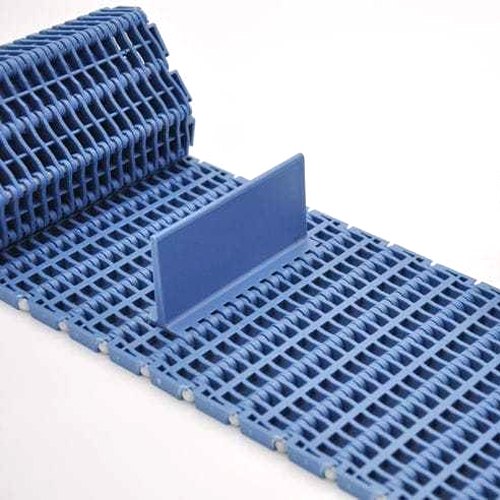
Can modular belts be customized for specific industries or conveyor configurations?
Yes, modular belts can be customized to meet the specific requirements of different industries or conveyor configurations. The modular design of these belts allows for flexibility in tailoring them to specific applications, ensuring optimal performance and functionality. Here are some ways in which modular belts can be customized:
- Material Selection:
Modular belts can be customized by selecting the appropriate materials based on the industry or application requirements. Different industries have specific material handling needs, such as food processing, pharmaceuticals, automotive, or electronics. For example, in food processing, modular belts made of FDA-approved materials that are resistant to chemicals and easy to clean are often used. In industries where high temperatures or abrasive materials are present, modular belts with heat-resistant or wear-resistant materials can be selected. By choosing the right material, the belt can be customized to withstand the demands of the specific industry.
- Module Design:
The design of individual modules can be customized to enhance the performance of the modular belt. Modules come in various shapes, sizes, and surface textures to accommodate different product characteristics and conveyor requirements. For example, modules with cleats or flights can be added to provide better grip and prevent product slippage on inclined or declined conveyors. Modules with rollers or ball transfers can facilitate smoother product transfers between conveyors. By selecting or customizing the module design, the modular belt can be tailored to specific product handling needs and conveyor configurations.
- Accessories and Features:
Modular belts can be customized with accessories and features to enhance their functionality in specific industries or conveyor configurations. Accessories such as side guards, guide rails, or diverts can be added to ensure proper product orientation and containment. Additionally, specialized features like low back-pressure accumulation systems or indexing modules can be integrated into the belt to meet specific operational requirements. These customized accessories and features enable the modular belt to adapt to unique industry needs and conveyor system configurations.
- Size and Dimensions:
The size and dimensions of modular belts can be customized to fit specific conveyor configurations. The individual modules can be easily cut or extended to achieve the desired length of the belt. Additional modules can be added or removed to adjust the width of the belt according to the available space or product handling requirements. This customization allows the modular belt to seamlessly integrate into existing conveyor systems or be tailored to fit unique conveyor layouts.
- Specialized Belting Solutions:
Some modular belt manufacturers offer specialized belting solutions for specific industries or applications. These customized solutions are designed to address the unique challenges and requirements of particular industries, such as meat and poultry processing, baking, or automotive manufacturing. They may include features like antimicrobial coatings, high-temperature resistance, or specialized surface textures. These specialized belting solutions ensure that the modular belt is optimized for the specific industry or application, providing reliable and efficient performance.
In summary, modular belts can be customized for specific industries or conveyor configurations through material selection, module design, accessories and features, size and dimensions, and specialized belting solutions. This customization allows the modular belt to meet the unique needs of different industries and ensure optimal performance and functionality in diverse conveyor system applications.
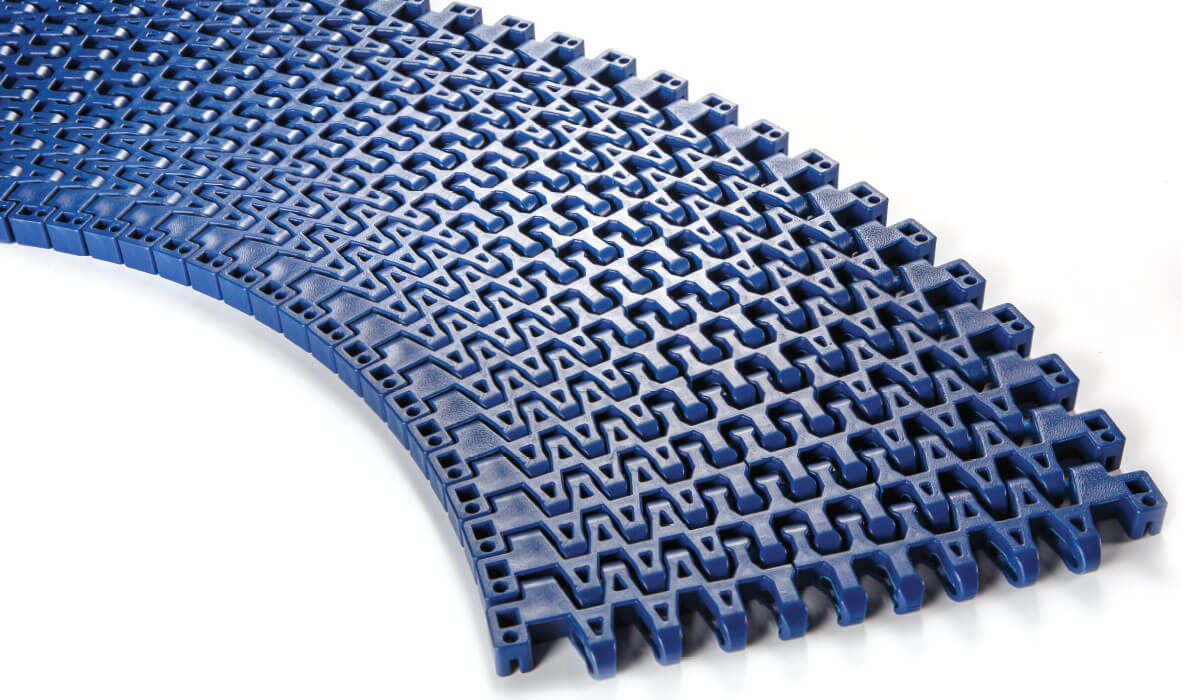
What are modular belts, and how are they used in industrial applications?
Modular belts are conveyor belts composed of individual interlocking modules or links. These modules are typically made of durable plastic materials, such as polypropylene or polyethylene, and feature a variety of surface patterns or configurations. Modular belts are widely used in industrial applications for their versatility, durability, and ease of maintenance. Here is an overview of modular belts and their uses in industrial settings:
- Structure and Design:
Modular belts consist of individual modules that are linked together to form a continuous belt. Each module has built-in hinges or connecting rods that allow for easy assembly and disassembly. The modules are usually flat or slightly curved, and their surface can be customized with different patterns, textures, or accessories to suit specific application requirements. The modular design provides flexibility in terms of belt width, length, and configuration, making it adaptable to various industrial applications.
- Material Handling:
One of the primary uses of modular belts in industrial applications is for material handling. They are commonly employed in conveyor systems for the transportation of goods, products, or components. Modular belts offer smooth and consistent movement, allowing for the efficient transfer of materials from one point to another. They can handle a wide range of loads, from lightweight packages to heavy bulk materials, making them suitable for diverse industries such as manufacturing, logistics, food processing, and automotive.
- Accumulation and Sorting:
Modular belts are often utilized in accumulation and sorting applications. The interlocking modules create a flat and even surface, which enables products to accumulate without interference. This feature is particularly useful in assembly lines or distribution centers, where items need to be temporarily stored or grouped before further processing or sorting. The modular design allows for easy integration with other equipment, such as sensors or diverters, to facilitate automated sorting or routing of products based on specific criteria.
- Inclined or Declined Transport:
Modular belts are well-suited for inclined or declined transport applications. The interlocking modules ensure that products remain stable and do not slide or roll during vertical or angled movement. This makes modular belts ideal for applications such as elevating or lowering products between different levels of a production facility or warehouse. The customizable surface patterns of the modules can provide additional grip or friction, further enhancing the belt’s ability to handle inclined or declined transport of goods.
- Hygienic and Sanitary Applications:
Modular belts are widely used in industries that require hygienic or sanitary conditions, such as the food and beverage or pharmaceutical sectors. The smooth and non-porous surface of modular belts is easy to clean and resistant to the accumulation of debris, moisture, or bacteria. They can withstand frequent washdowns or sanitization processes without compromising their structural integrity. Additionally, the modular design allows for quick and straightforward module replacement in case of damage or contamination.
- Specialized Applications:
Modular belts find applications in specialized industrial processes as well. For example, they are used in high-temperature environments, such as baking or heat-treatment ovens, where traditional conveyor belts may not be suitable. Modular belts can withstand elevated temperatures without deformation or degradation. They are also utilized in applications that require tight transfers or small product gaps, such as in the packaging industry, where precise positioning and spacing of products are crucial.
In summary, modular belts are conveyor belts composed of individual interlocking modules. They are used in various industrial applications, including material handling, accumulation and sorting, inclined or declined transport, hygienic and sanitary environments, and specialized processes. The modular design, durability, and ease of maintenance make them a versatile and reliable solution for diverse industrial sectors.


editor by CX 2024-02-09