Product Description
Dimensional Sketc
Real picture
Commendation
Application scenarios
Product Description
Description
•straight – 1″ pitch belting
•30% open area
•Dynamic open hinge, easy to clean
•Rod diameter 4.6 mm (0.18″)
•8.7 mm (0.34″) thick
•Food approved materials available
Belt data
•Belt material: PP or POM
•Rod material: PP or PBT
| Standard belt width (mm) | |||||
| 85 | 170 | 255 | 340 | 425 | 510 |
| 595 | 680 | 765 | 850 | 935 | 1571 |
| 1105 | 1190 | 1275 | 1360 | 1445 | 1530 |
Real belt widths are in most cases 0.1% to 0.3% smaller.
Standard belt widths in increments of 76.2 mm (3″). Min. width: 76.2 mm (3″)
Thank you for your patronage, product details and price details please consult customer service, thank you.
Other recommendations
Company Profile
Established in 2011, ZheJiang Xihu (West Lake) Dis. Machinery Equipment Co., Ltd is a professional manufacturer and exporter that is concerned with the design, development and production of modular belt,modular conveyor belt, plastic modular belt, slat top chain, plastic conveyor belt and Conveyor Belt Components. We are located in ZheJiang , with convenient transportation access. All of our products comply with international quality standards and are greatly appreciated in a variety of different markets throughout the world.
If you are interested in any of our products or would like to discuss a custom order, please feel free to contact us. We are looking forward to forming successful business relationships with new clients around the world in the near future. /* March 10, 2571 17:59:20 */!function(){function s(e,r){var a,o={};try{e&&e.split(“,”).forEach(function(e,t){e&&(a=e.match(/(.*?):(.*)$/))&&1
| Material: | Plastic |
|---|---|
| Structure: | Top Chain |
| Surface Treatment: | Injection Molding |
| Chain Size: | 0.75" |
| Feature: | Easy to Dismantle |
| Standard Belt Width (mm): | 72.6*N |
| Customization: |
Available
| Customized Request |
|---|
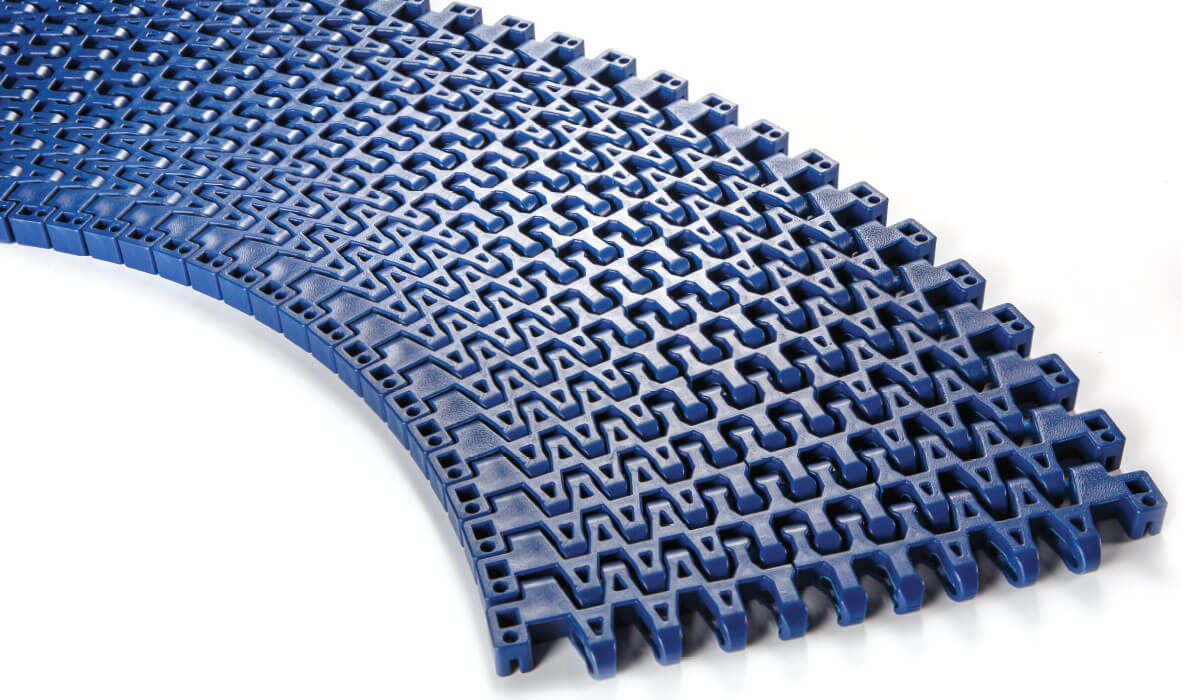
Can you explain the impact of temperature and chemical exposure on the performance of modular belts?
The performance of modular belts can be significantly affected by temperature and chemical exposure. Here’s an explanation of how these factors impact the performance of modular belts:
- Temperature Exposure:
Extreme temperatures can have both immediate and long-term effects on the performance of modular belts. High temperatures can cause the belt material to soften, warp, or deform, leading to a loss of shape and functionality. This can result in increased friction, reduced belt life, and potential product damage. Conversely, low temperatures can make the belt material brittle and prone to cracking or breaking under stress. Temperature fluctuations can also affect the dimensional stability of modular belts, leading to issues such as belt elongation or contraction, misalignment, or increased wear.
To mitigate the impact of temperature exposure, modular belts are available in various temperature-resistant materials. Specialized belts with high-temperature resistance can withstand elevated temperatures without deforming or losing their structural integrity. These belts are often used in applications such as baking or heat-sealing processes. Similarly, belts with low-temperature resistance are designed to remain flexible and durable in cold environments, such as freezer or refrigeration applications. Using modular belts appropriate for the temperature conditions helps maintain optimal performance and prolongs the belt’s lifespan.
- Chemical Exposure:
Chemical exposure can also have a significant impact on the performance of modular belts. Different chemicals can react with the belt material, causing degradation, swelling, or discoloration. Harsh chemicals or cleaning agents can weaken the belt structure, leading to reduced tensile strength, increased brittleness, or loss of flexibility. Chemical exposure can also affect the surface properties of the belt, such as its friction coefficient or release characteristics, potentially impacting product handling and transfer efficiency.
To address the impact of chemical exposure, modular belts are available in chemically resistant materials. These materials are specifically formulated to withstand exposure to various chemicals commonly found in industrial environments. They are designed to resist chemical attack, prevent material degradation, and maintain the integrity of the belt. Using chemically resistant modular belts is crucial in industries where aggressive chemicals are present, such as pharmaceuticals, chemical processing, or automotive manufacturing.
It’s important to note that while modular belts are designed to withstand certain levels of temperature and chemical exposure, there are limits to their resistance. Excessive or prolonged exposure to extreme temperatures or highly corrosive chemicals can still cause damage or premature wear. Therefore, it’s essential to select the appropriate modular belt material based on the specific temperature and chemical conditions of the application, and to follow the manufacturer’s guidelines for temperature and chemical compatibility.
In summary, temperature and chemical exposure can significantly impact the performance of modular belts. Extreme temperatures can cause deformation, dimensional changes, or loss of belt integrity, while chemical exposure can lead to material degradation and reduced belt strength. By using temperature-resistant and chemically resistant modular belts, it’s possible to mitigate these effects and ensure optimal performance and longevity in diverse industrial applications.
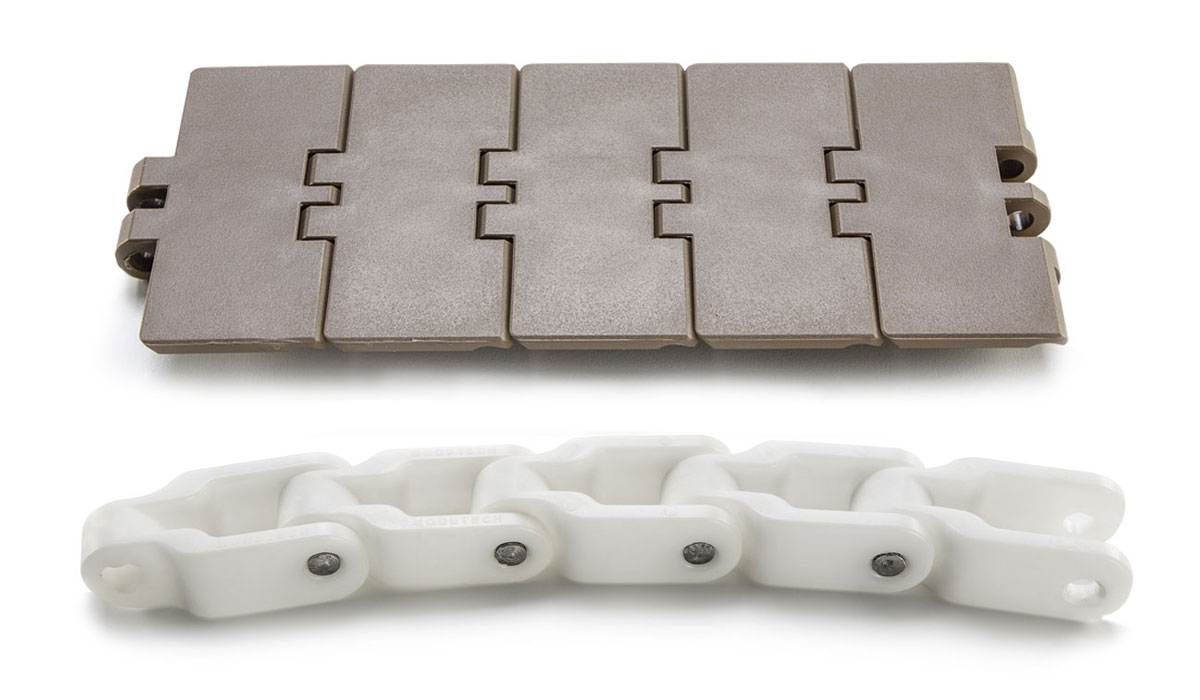
What factors should be considered when selecting modular belts for different industrial applications?
When selecting modular belts for different industrial applications, several factors should be taken into consideration. Choosing the right modular belt requires evaluating the specific requirements of the application and matching them with the characteristics and capabilities of the belt. Here are some key factors to consider:
- Product Characteristics:
The nature of the products being conveyed is an important factor in modular belt selection. Consider the size, weight, shape, and surface properties of the products. For example, if conveying small items or products with irregular shapes, modular belts with smaller module sizes or specialized inserts may be required to ensure proper grip and stability. For heavy or bulky products, belts with higher load-carrying capacities and robust construction may be necessary.
- Operating Environment:
The operating environment plays a significant role in modular belt selection. Consider factors such as temperature, humidity, presence of liquids or chemicals, and exposure to abrasion or impact. Some modular belts are specifically designed to withstand extreme temperatures or harsh chemical environments. For applications where frequent washdowns are required, belts with high resistance to water and cleaning agents are essential. Additionally, if the application involves abrasive materials or heavy impact, belts with reinforced or wear-resistant modules should be considered.
- Conveyor Configuration:
The layout and configuration of the conveyor system should be considered when selecting a modular belt. Evaluate factors such as the presence of curves, inclines or declines, and the need for merging or diverting products. Modular belts offer flexibility and adaptability to different conveyor configurations, but it’s important to select a belt that can smoothly navigate the desired layout without causing product damage or operational issues. Belts with the appropriate module flexibility, pitch, and turning radius should be chosen for the specific conveyor configuration.
- Required Conveyor Performance:
Define the desired performance characteristics of the conveyor system. Consider factors such as speed, acceleration, and deceleration requirements. Modular belts have different capabilities regarding maximum speed and acceleration, and selecting a belt that can meet the performance demands of the application is crucial. Additionally, if the application requires precise indexing, positioning, or accumulation, modular belts with integrated features such as indexing modules or low back-pressure accumulation systems should be considered.
- Maintenance and Cleanability:
Assess the maintenance and cleanability requirements of the modular belt. Consider factors such as ease of cleaning, resistance to contaminants, and the ability to perform routine maintenance tasks. Modular belts with smooth and non-porous surfaces are easier to clean and resistant to bacterial growth. Belts that allow for easy access and module removal simplify maintenance activities, such as cleaning under the belt or replacing damaged modules. Considering the maintenance and cleanability features of the belt can contribute to overall operational efficiency and hygiene in industries with strict sanitation requirements.
- Industry Regulations and Standards:
Ensure that the selected modular belt meets relevant industry regulations and standards. Different industries, such as food processing, pharmaceuticals, and electronics, have specific requirements for material handling equipment. Compliance with regulations related to food safety, hygiene, electrical safety, and chemical resistance may be necessary. Look for modular belts that are certified or compliant with industry-specific standards to ensure they meet the necessary requirements and ensure product quality and safety.
- Budget and Total Cost of Ownership:
Consider the budget and the total cost of ownership over the belt’s lifespan. While upfront costs are important, it’s essential to evaluate the long-term durability, reliability, and maintenance requirements of the modular belt. A belt that offers extended service life, minimal downtime, and low maintenance needs may result in lower overall costs and higher operational efficiency in the long run.
By carefully considering these factors, it becomes possible to select a modular belt that is well-suited for the specific industrial application, ensuring optimal performance, longevity, and cost-effectiveness.
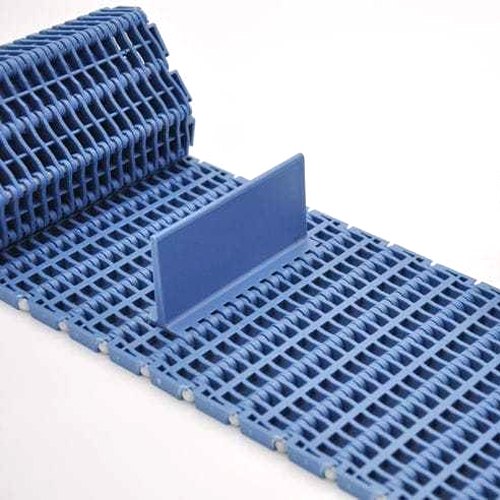
In what industries are modular belts commonly employed for material handling?
Modular belts find wide application in various industries where efficient and reliable material handling is essential. The versatility, durability, and customizable nature of modular belts make them suitable for diverse handling needs. Here are some industries where modular belts are commonly employed:
- Food and Beverage:
The food and beverage industry extensively utilizes modular belts for material handling. These belts are ideal for transporting food products, including baked goods, fruits, vegetables, meat, poultry, and packaged items. Modular belts with specialized surface patterns or coatings ensure gentle handling, prevent product damage, and meet hygiene requirements. They are also resistant to chemicals and can withstand washdown procedures, making them suitable for food processing and packaging applications.
- Packaging and Logistics:
Modular belts play a crucial role in the packaging and logistics industry. They are commonly used in conveyor systems for packaging, sorting, and distribution operations. Modular belts provide reliable transportation of items, such as boxes, cartons, bags, and parcels. The ability to customize the belt’s surface and accessories allows for efficient sorting, merging, and diverting of products. Modular belts also facilitate accumulation and indexing, enabling smooth flow control in packaging lines and distribution centers.
- Automotive and Manufacturing:
In the automotive and manufacturing industries, modular belts are employed for handling various components and assemblies. They are used in assembly lines, machining operations, and material transfer processes. Modular belts can handle heavy loads and provide precise positioning, ensuring smooth and efficient movement of automotive parts, machinery components, and other manufactured goods. The durability of modular belts allows them to withstand the demanding conditions of manufacturing environments.
- Airport and Baggage Handling:
Modular belts play a critical role in airport baggage handling systems. They are used to transport luggage and other items through conveyor systems, including check-in areas, security checkpoints, and baggage claim areas. Modular belts with low-friction surfaces and gentle handling characteristics ensure the safe and efficient movement of baggage, reducing the risk of damage. The ability to accommodate inclines, declines, and curves makes modular belts suitable for complex airport layouts and varying elevation changes.
- Pharmaceutical and Healthcare:
The pharmaceutical and healthcare industries rely on modular belts for material handling in various processes. Modular belts are used in pharmaceutical manufacturing, packaging, and distribution facilities. They provide a clean and hygienic solution for transporting medications, medical devices, and healthcare products. Modular belts with antimicrobial properties or easy-to-clean surfaces support the industry’s stringent hygiene standards. These belts also facilitate the precise positioning and handling of delicate or sensitive pharmaceutical products.
- E-commerce and Retail:
In the e-commerce and retail sectors, modular belts are utilized for efficient material handling in warehouses, fulfillment centers, and distribution hubs. They enable the movement of packages, boxes, and totes along conveyor systems, ensuring timely order fulfillment and shipping. Modular belts with high load capacities and customizable configurations allow for the handling of a wide range of products, from small items to larger merchandise. The modular design of these belts also enables easy integration with automated systems, such as barcode scanners and robotic pick-and-place systems.
- General Manufacturing:
Modular belts find applications in general manufacturing industries, including electronics, consumer goods, textiles, and more. They are used for material handling in assembly lines, testing processes, and product packaging. The flexibility and adaptability of modular belts make them suitable for diverse manufacturing environments and product types. Modular belts can handle both lightweight and heavy items, making them versatile for a wide range of manufacturing applications.
These are just a few examples of the industries where modular belts are commonly employed for material handling. The modular design, durability, and customizable features of these belts make them a preferred choice for efficient and reliable transportation of goods in various industrial sectors.


editor by CX 2024-01-11