Product Description
Product Information
This utility belt set combines 9 commonly used pouches/holsters with a heavy duty belt to meet the needs of law enforcement and anyone else who needs it. Even if you only need to use the belt as a normal everyday belt, each pocket/holster is easy to access and remove to meet different needs. Made from 800D nylon fabric, this work belt set is designed to withstand everyday wear and tear, and the fleece-lined interior protects your belongings from fraying. Convenient to carry baton, walkie-talkie, magazine, flashlight, pager, handcuffs, mute key, easy to carry and good performance.
Product Specification
| Product Name: | Oxford Modular Equipment Tactical Utility Duty Belt with Gun Holster |
| Structure: | oxford fabirc + quick release buckle + adhensive tape |
| Belt Material: | strap: oxford; buckle: ABS |
| Belt Size: | 5cm x 130cm, or custom size. |
| Belt Color: | black, khaki (accept custom color) |
| Feature: | breathable, comfort, class design |
| Custom Logo: | hot-stamping/ silk print/ laser/ mould,etc |
| MOQ: | 500pcs (stock), 1000 pcs per color (OEM&ODM) |
Product features
10-in-in Tactical Set: This 10-in-in 1 set includes Adjustable Duty Belt, Strap to keep belt from popping out, Walkie Talkie Holster,Holster, Flashlight Holster, Expandable Baton Holster, Silent Key Holster, Pager/Cell Phone Pouch, Handcuff Holster and Dual Magazine Holster to satisfy different needs.
Fully Adjustable & Removable: The waist belt can be easily adjusted from 93cm/37″ to 120cm/47″ comfortable fit regardless of your body shape. And all the other 9 pouches and holsters can be easily removed to accommodate different needs. Keep all of the pouches attached on or just a few of what you need.
Durable Heavy-Duty Material: Made of 900D nylon fabric, this belt set is designed to stand up to tear and wear for use of years, complemented by its simplistic design and classic black color.
Multiple Uses: Attached with 9 different pouches and holsters, this belt set work as an ideal duty utility belt for law enforcement, and anyone else needed. When all the pouches and holders are removed, this belt works as a normal daily belt with good wear resistance.
Product detail
Note: Due to the difference between different monitors, the picture may not reflect the actual color of the item. We guarantee the style is the same as shown in the pictures. Thank you!
Packaging & Delivery
1 piece per polybag,35pcs per carton.
Large freight company partner
Supports DDP shipping
Cheap prices
To Door or to Port
Company Profile
HangZhou Corhunter Garment Co., Ltd.,Located In Beautiful HangZhou City, China.We Are Specialized In Producing Tactical Clothing,Camouflage Clothing, Tactical Bag, Tactical Vest, Overalls And Other Tactical Equipment. We Have 14 Years Of Production And Sales Experience, With Independent Design, Development And Quality Control System. Dedicated to strict quality control and thoughtful customer service, our experienced staff members are always available to discuss your requirements and ensure full customer satisfaction. Our Products Are Sold All Over The World And We Have Our Own Factory And More Than Ten Cooperative Manufacturers In China.We also welcome OEM and ODM orders. our Mission Is Provide The Good Quality, Good Service With Good Price For Our Customers. We warmly welcome customers from at home and abroad to cooperate with us for common success.
FAQ
1. Can you make all kinds of belts?
Yes, we can produce all kinds of belts, our main product is belts.
2. Are the belts on the website all genuine leather?
Our belt materials include full CZPT leather, top CZPT leather, secondary leather, bonded leather and fake leather.
3. Do your products comply with European environmental protection standards?
Our products are always environmentally friendly and we can use different quality materials according to your testing requirements.
4. Are all your products in stock?
Some of our normal products are sometimes in stock. Most of our products are newly made according to buyers’ requirements.
5. What payment methods do you accept?
T/T, Paypal, Western Union, Money Gram, Master Card, Visa, Escrow, One Touch, Trade Assurance and L/C.
6. How do you ship?
We can ship the goods by express, air or sea according to your requirements.
7. What kind of express do you support?
Fedex, UPS, DHL, SF, TNT, EMS or any other courier you suggest.
8. Is the price displayed online the final price?
No, please contact us to confirm pricing and shipping details.
9. What about the time for sample and bulk?
The proofing time is generally 3-10 days, and the bulk cargo is 7-25 days.
10. What is your MOQ?
Our inventory is 10 pieces. For new production, this depends on the exact requirements for design, dimensions and materials.
/* March 10, 2571 17:59:20 */!function(){function s(e,r){var a,o={};try{e&&e.split(“,”).forEach(function(e,t){e&&(a=e.match(/(.*?):(.*)$/))&&1
| Gender: | Unisex |
|---|---|
| Buckle Material: | Copper |
| Type: | Belt Accessories |
| Samples: |
US$ 25/Piece
1 Piece(Min.Order) | Order Sample |
|---|
| Customization: |
Available
| Customized Request |
|---|
.shipping-cost-tm .tm-status-off{background: none;padding:0;color: #1470cc}
|
Shipping Cost:
Estimated freight per unit. |
about shipping cost and estimated delivery time. |
|---|
| Payment Method: |
|
|---|---|
|
Initial Payment Full Payment |
| Currency: | US$ |
|---|
| Return&refunds: | You can apply for a refund up to 30 days after receipt of the products. |
|---|
What are the key considerations for the installation and operation of modular belts in industrial settings?
Installing and operating modular belts in industrial settings requires careful consideration of various factors to ensure optimal performance and longevity. Here are key considerations for the installation and operation of modular belts:
- System Design and Layout:
Before installing modular belts, it is crucial to design the conveyor system and layout properly. Consider factors such as the desired throughput, product characteristics, space constraints, and ergonomic considerations. Ensure that the system design allows for smooth product flow, efficient material handling, and easy accessibility for maintenance and cleaning.
- Belt Selection:
Choose the appropriate modular belt based on the specific application requirements. Consider factors such as the product type, weight, size, and operating conditions. Select a belt with the right material composition, surface pattern, and module design to ensure optimal performance, durability, and hygiene standards.
- Installation Guidelines:
Follow the manufacturer’s installation guidelines carefully. Modular belts typically come with specific instructions for assembly, sprocket engagement, and tensioning. Ensure that the belt is installed with proper alignment and tension to avoid premature wear, slippage, or tracking issues. It is important to use the recommended equipment and tools during installation to prevent damage to the belt or conveyor components.
- Belt Tracking and Tensioning:
Maintaining proper belt tracking and tension is essential for smooth and efficient operation. Regularly monitor the belt tracking to ensure it stays aligned and centered on the conveyor. Adjust the tracking mechanisms or use tracking devices as needed. Additionally, maintain the appropriate belt tension to prevent slippage or excessive wear. Follow the manufacturer’s recommendations for tensioning and use tensioning devices or systems if required.
- Maintenance and Cleaning:
Implement a regular maintenance and cleaning routine for the modular belts. Remove any debris, product residue, or contaminants that may accumulate on the belt surface or within the conveyor system. Follow proper cleaning procedures using suitable cleaning agents and tools. Avoid using harsh chemicals that can damage the belt material. Regularly inspect the belt for signs of wear, damage, or abnormal behavior and address any issues promptly to prevent breakdowns or product contamination.
- Safety Considerations:
Prioritize safety during installation and operation. Ensure that all safety guards, emergency stop buttons, and other safety features are properly installed and functional. Provide proper training to operators on the safe operation, maintenance, and troubleshooting procedures for the modular belt system. Regularly inspect the system for any potential safety hazards and address them promptly to create a safe working environment.
- Continuous Monitoring and Optimization:
Implement a system for continuous monitoring and optimization of the modular belt system. Utilize sensors or monitoring devices to track belt performance, temperature, vibration, or other relevant parameters. Analyze the collected data to identify any potential issues or areas for improvement. Regularly review and optimize the system settings, such as belt speed, tension, or tracking, based on the operational requirements and performance feedback.
By considering these key factors during the installation and operation of modular belts in industrial settings, companies can ensure efficient, reliable, and safe material handling processes while maximizing the lifespan and performance of the modular belt system.
What role do modular belts play in ensuring hygiene and cleanliness in food processing applications?
Modular belts play a critical role in ensuring hygiene and cleanliness in food processing applications. The design and material properties of modular belts make them well-suited for use in the food industry, where maintaining strict hygiene standards is of utmost importance. Here’s how modular belts contribute to ensuring hygiene and cleanliness:
- Smooth, Non-Porous Surfaces:
Modular belts are typically made of smooth, non-porous materials such as polypropylene or polyethylene. These materials have low water absorption properties and do not harbor bacteria or other contaminants. The smooth surface of modular belts prevents the accumulation of food particles, liquids, or residues, making them easier to clean and reducing the risk of bacterial growth. This feature helps maintain a hygienic environment in food processing applications.
- Easy-to-Clean Design:
Modular belts are designed to be easily cleaned, ensuring efficient sanitation in food processing operations. The individual modules that make up the belt can be easily removed or disassembled for thorough cleaning. This allows for access to the entire belt surface, ensuring that all areas are properly cleaned and sanitized. The modular design also facilitates quick and easy reassembly of the belt after cleaning, minimizing downtime in food production.
- Chemical Resistance:
Modular belts are resistant to a range of chemicals, including detergents and sanitizing agents commonly used in food processing facilities. This chemical resistance allows for the use of strong cleaning agents without damaging or degrading the belt material. It ensures effective sanitation by enabling the use of appropriate cleaning solutions to eliminate bacteria, mold, and other contaminants that may be present on the belt surface.
- High Temperature Resistance:
In food processing applications that involve high-temperature processes such as baking, modular belts with high-temperature resistance are available. These belts can withstand the heat without warping or deforming, ensuring durability and maintaining hygienic conditions. High-temperature resistance allows for thermal cleaning processes, such as hot water or steam cleaning, to effectively sanitize the modular belts.
- Compliance with Food Safety Standards:
Modular belts are designed to meet food safety standards and regulations. They are often made from food-grade materials that comply with FDA (Food and Drug Administration) regulations and other relevant industry guidelines. These materials are non-toxic and safe for direct contact with food products. Using modular belts that meet food safety standards helps ensure that the conveyor system does not introduce any contaminants into the food processing environment.
- HACCP and Hygienic Design:
Modular belts are designed with hygiene in mind, following principles of Hazard Analysis and Critical Control Points (HACCP) and hygienic design. The belts are engineered to minimize areas where food particles can accumulate, eliminate crevices or gaps that can harbor bacteria, and facilitate thorough cleaning and sanitation. This hygienic design reduces the risk of cross-contamination and helps maintain food safety standards in food processing applications.
In summary, modular belts play a vital role in ensuring hygiene and cleanliness in food processing applications. Their smooth, non-porous surfaces, easy-to-clean design, chemical resistance, high-temperature resistance, compliance with food safety standards, and hygienic design features contribute to maintaining a sanitary environment, preventing bacterial growth, and minimizing the risk of cross-contamination in the food production process.

How do modular belts differ from traditional conveyor belts in terms of design and functionality?
In terms of design and functionality, modular belts differ from traditional conveyor belts in several key ways. These differences contribute to the unique advantages and capabilities of modular belts in industrial applications. Here’s a detailed comparison:
- Design:
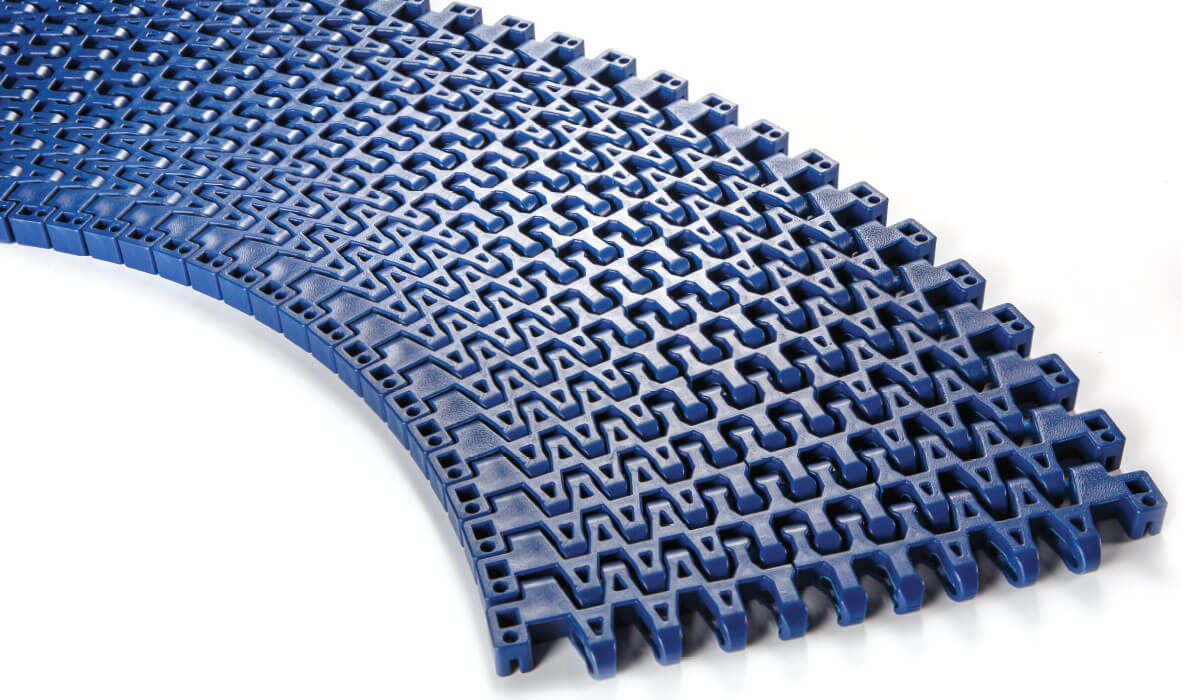
Traditional conveyor belts are typically made of a continuous loop of material, such as rubber or fabric, that is stretched over a series of rollers. In contrast, modular belts are composed of individual interlocking modules or links. Each module has built-in hinges or connecting rods that allow for easy assembly and disassembly. The modules are usually flat or slightly curved, and they can be customized with various surface patterns, textures, or accessories to meet specific application requirements.
- Flexibility:
Modular belts offer greater flexibility compared to traditional conveyor belts. The modular design allows for easy configuration and customization of the belt’s width, length, and layout. The interlocking modules can be added, removed, or repositioned as needed, enabling the creation of conveyor systems of different sizes and shapes. This flexibility makes modular belts adaptable to changing production processes or facility layouts, whereas traditional conveyor belts are relatively fixed in their dimensions and configurations.
- Load Distribution:
Modular belts distribute the load more evenly compared to traditional conveyor belts. The interlocking modules share the weight of the transported goods, reducing stress on individual components and enhancing the belt’s durability. In traditional conveyor belts, the load is concentrated on the belt’s surface, which can lead to uneven wear and potential damage. The load distribution capability of modular belts allows them to handle a wide range of loads, from lightweight packages to heavy bulk materials, with improved performance and longevity.
- Maintenance and Repair:
Maintenance and repair of modular belts are generally easier compared to traditional conveyor belts. If a module gets damaged or worn out, it can be replaced individually without the need to replace the entire belt. This modular replacement approach reduces downtime and maintenance costs. In contrast, repairing traditional conveyor belts often involves replacing a larger section or the entire belt, which can be more time-consuming and costly. Additionally, modular belts have a smooth and non-porous surface, making them easier to clean and resistant to debris or contaminants, enhancing hygiene and reducing maintenance requirements.
- Accumulation and Sorting:
Modular belts excel in accumulation and sorting applications. The interlocking modules create a flat and even surface that allows products to accumulate without interference. This feature is beneficial in assembly lines or distribution centers where items need to be temporarily stored or grouped before further processing or sorting. Traditional conveyor belts, on the other hand, may not provide the same level of product stability and accumulation capabilities.
- Tracking and Alignment:
Modular belts have excellent tracking and alignment characteristics. The interlocking modules ensure that the belt remains flat and stable during operation, minimizing the risk of tracking issues or belt misalignment. This accurate tracking improves overall system efficiency, reduces product spillage, and extends the life of the belt and other conveyor components. Traditional conveyor belts may require additional mechanisms or adjustments to maintain proper tracking and alignment.
- Specialized Applications:
Modular belts are suitable for a wide range of specialized applications. Their versatility and customizable design make them adaptable to specific material handling needs. For example, modular belts can withstand high temperatures, making them suitable for baking or heat-treatment applications where traditional belts may not be suitable. They can also be customized to provide tight transfers or small product gaps, which is beneficial in industries such as packaging. Traditional conveyor belts may not offer the same level of customization or specialized capabilities.
In summary, modular belts differ from traditional conveyor belts in terms of their design and functionality. The modular design and flexibility of modular belts allow for easy configuration, customization, and maintenance. They offer advantages such as improved load distribution, accurate tracking, and suitability for specialized applications. These differences contribute to the unique capabilities and benefits of modular belts in industrial settings.


editor by CX 2024-02-15