Cross-Reference Modular Belts by Pitch & Open Area
A reliable replacement process narrows the belt step by step from measurable geometry instead of jumping directly from one code to another.
Cross-reference from physical measurements
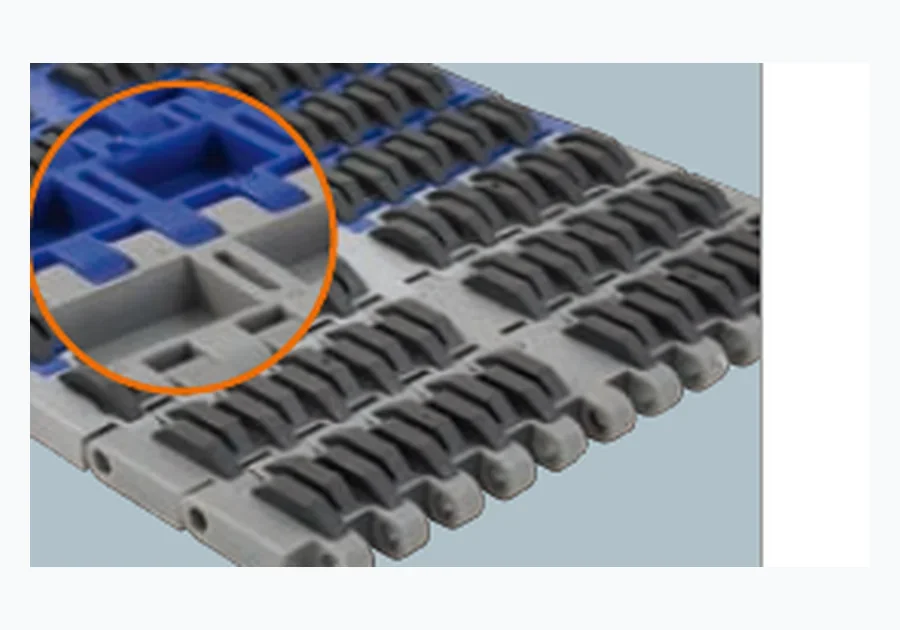
A legacy model number is useful when readable, but it should not be the only matching basis. Codes can be obsolete, incomplete or belong to a different naming system. A measurement-led cross-reference is more robust because it tests the actual conveyor interface.
Use this order
| Order | Evidence |
|---|---|
| 1 | Straight or radius path |
| 2 | Pitch measured across several hinge centres |
| 3 | Overall belt width and edge/module geometry |
| 4 | Flat, open-grid or specialty face |
| 5 | Open area or opening pattern if relevant |
| 6 | Hinge and connecting-pin detail |
| 7 | Underside and sprocket engagement |
| 8 | Guide / wear-strip interface |
| 9 | Conveyed product and process duty |
Why open area helps but does not identify the belt
A 35% open belt is not a unique product identity. It becomes useful when combined with pitch, path, width, face pattern and underside geometry. The same principle applies to colour, which should not be used as a mechanical identifier.
Measure worn belts carefully
Use several repeating pitches, avoid damaged edges and note whether the belt is under tension when measured. Photograph the ruler or caliper in place where possible. This creates a record that can be reviewed later instead of relying on a handwritten number with no context.
Cross-reference the drive too
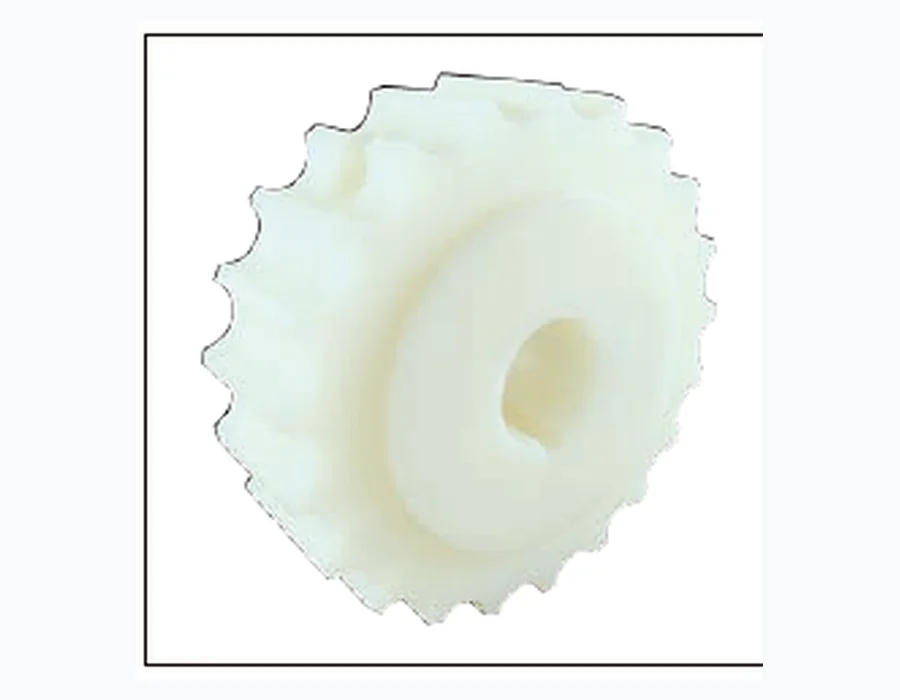
A candidate belt should be checked against the existing sprocket system. If the underside engagement differs, the project may need new sprockets or a different belt family even when the top face looks similar.
Replacement worksheet
| Item | Record |
|---|---|
| Pitch | Nominal + measurement method |
| Width | Overall width and edge detail |
| Face | Photo and open-area estimate if relevant |
| Pin/hinge | Photo and dimensions if accessible |
| Sprocket | Tooth count, bore/shaft, engaged photo |
| Path | Straight or curve; radius data |
| Duty | Product, load, speed and environment |
Build a replacement measurement package
A strong cross-reference package contains a top photograph, underside photograph, hinge/pin close-up, measured pitch, overall width, conveyor path and a sprocket-engagement image. Add the old code if it is readable, but treat it as one clue among several. The measurable geometry protects the project if the old code is obsolete or belongs to a different naming system.
If more than one candidate remains, compare the drive and guide interfaces before choosing from surface appearance. Those interfaces are harder to “make fit” after installation.
Need help narrowing the configuration?
Send the information you already have. Missing fields can be identified during review rather than guessed.