Sprocket & Modular Belt Compatibility Guide
Pitch narrows the drive family, but true compatibility also depends on underside geometry, tooth engagement, sprocket form and shaft interface.
A sprocket is a mechanical interface
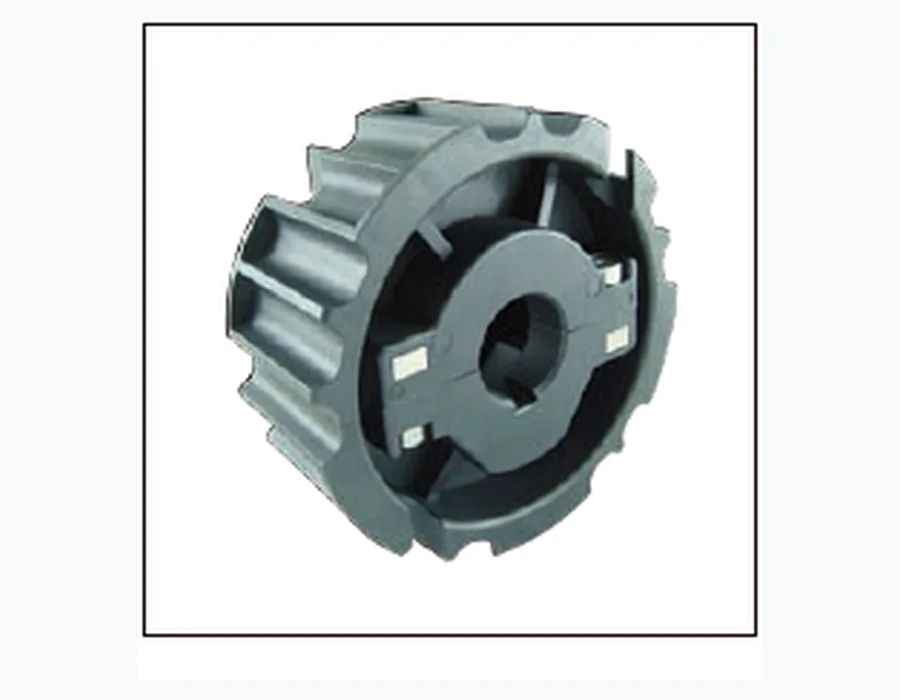
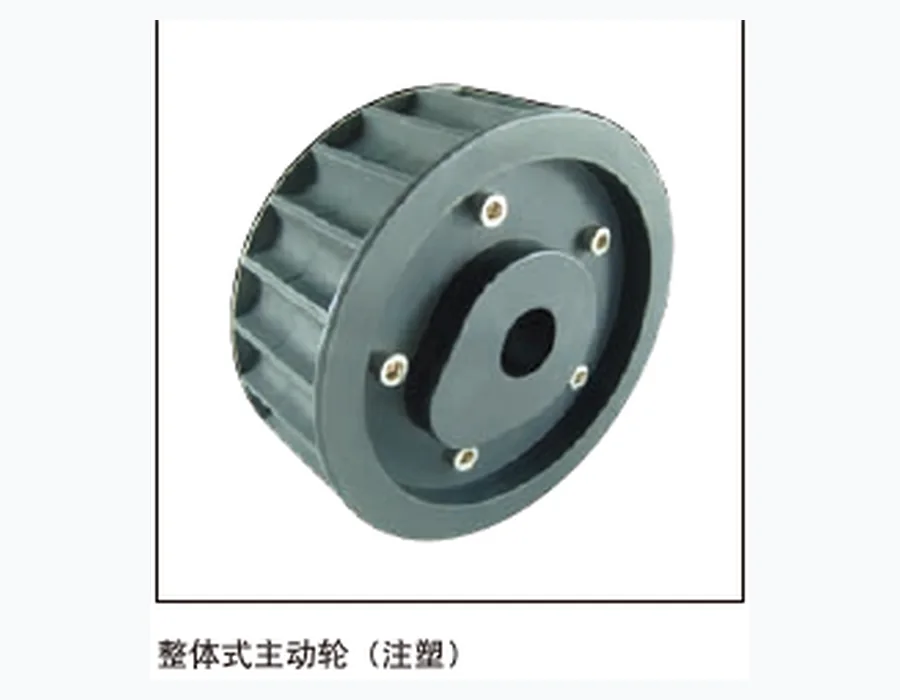
Modular-belt sprockets positively engage the underside of the belt. Outside diameter alone is therefore not enough for matching. Belt pitch, underside geometry, tooth form, tooth count, sprocket thickness/hub arrangement and shaft/bore details must work together.
What to match
| Feature | Check |
|---|---|
| Belt pitch | Initial family |
| Underside geometry | Actual tooth engagement |
| Tooth count | Pitch diameter and wrap/engagement direction |
| Bore / shaft | Machine interface, keyway/profile as applicable |
| Sprocket form | Split, one-piece or machined layout |
| Spacing | Support and drive across the belt width |
Split vs one-piece vs machined
Split sprockets can simplify service on some shafts because the shaft does not always need to be removed. One-piece sprockets can be simple and robust. Machined forms can address project-specific shaft or geometry requirements. Construction preference should never override correct tooth engagement with the selected belt.
Replacement photography
Take one photo of the belt underside with the sprocket engaged and another showing the whole shaft. Add a side view if tooth count or diameter is difficult to record. These images can reveal details that a top-view belt photo cannot.
Why pitch-only matching fails
Different belt families can share a nominal pitch but use different underside geometry. A sprocket can therefore be the wrong match even when the tooth-to-tooth spacing looks plausible. Always confirm the mechanical family.
Sprocket RFQ
| Data | Send |
|---|---|
| Belt | Family/model if known or pitch + underside photos |
| Tooth count | Count or clear circumference photo |
| Bore/shaft | Diameter, keyway or other shaft profile |
| Sprocket form | Split / one-piece / machined if required |
| Spacing | Number of sprockets and positions across shaft |
| Quantity | Per shaft and total project requirement |
Diagnosing a replacement mismatch
When a new sprocket does not mesh smoothly, check the belt underside and tooth profile before changing chain tension or alignment. A nominally correct pitch can still pair with the wrong tooth geometry. Also compare tooth count, sprocket thickness, hub position and shaft fit. A drive that is forced into engagement can accelerate belt and tooth wear.
For wide modular belts, record the number and spacing of sprockets across the shaft. The drive arrangement is distributed across the width, not defined by one sprocket in isolation.
Need help narrowing the configuration?
Send the information you already have. Missing fields can be identified during review rather than guessed.