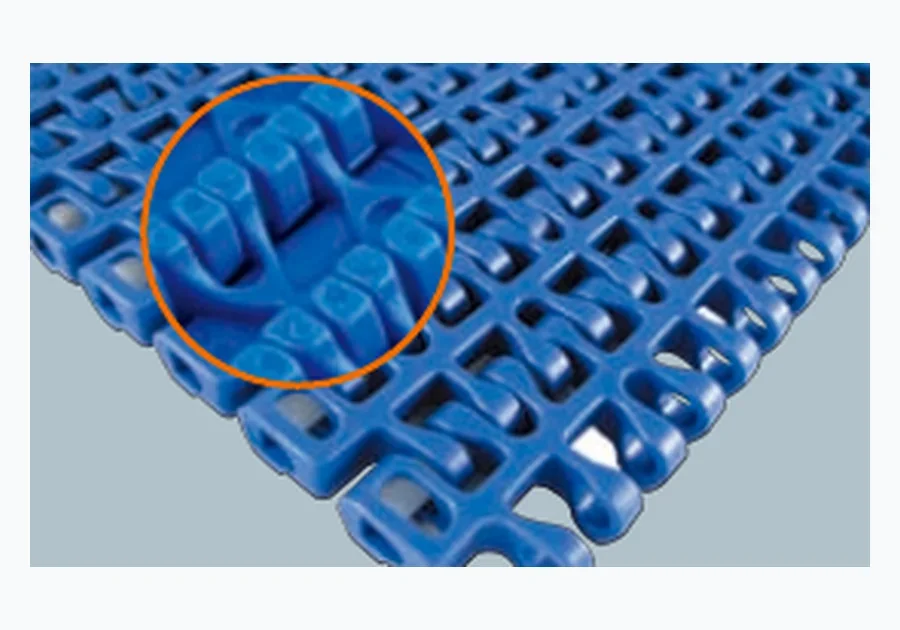
Open Grid Plastic Modular Belts
Gebruik deze familie als selectierichting en bevestig vervolgens de daadwerkelijke steek, vlak, breedte en transportbandinterface.
Seafood processing commonly combines water, cold operation, frequent cleaning and delicate product handling. Selection should separate the mechanical job of supporting and draining product from the documentation needed for the final material and process environment.
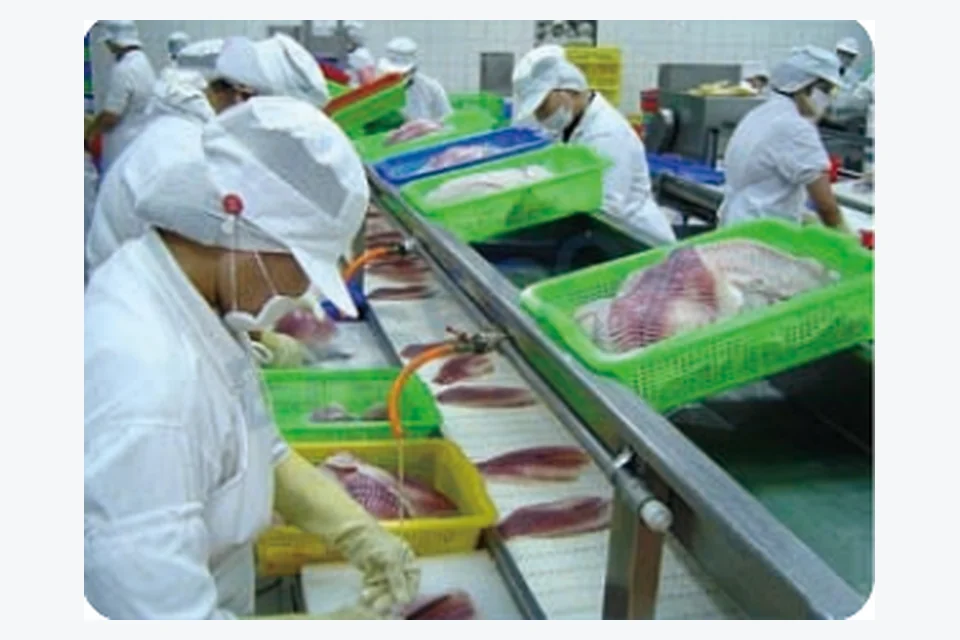
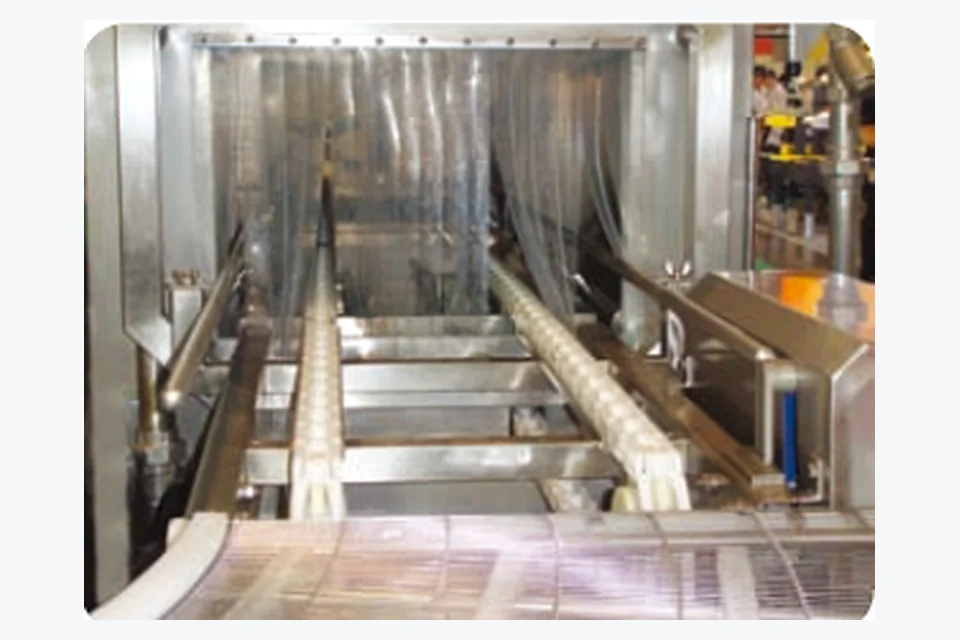
Typical conveyor sections can include receiving, washing, trimming, grading, dewatering, chilling, freezing transfer and packing. Product size and fragility change between these points. A configuration that drains efficiently at one stage may offer too little support for small or soft pieces at another.
For Modular Belts for Seafood Processing, the conveyor should be described as a specific process position rather than only by a belt name. That gives a new-design or replacement RFQ enough context to distinguish support, opening, path and drive needs.
| Invoer | Wat te beschrijven |
|---|---|
| Product | Whole fish, fillet, shellfish, portion or package |
| Environment | Fresh water, salt exposure, cold room or wet processing |
| Afwatering | Water release and carryover control |
| Cleaning | Frequency and chemicals used in the plant |
| Handling | Drop height, transfer gap, marking sensitivity |
| Pad | Straight, curve or spiral section |
Frequent washdown exposes weak points in hinge areas, guide supports and drive engagement. Product can also be damaged by excessive opening, rough transfers or poor curve support. These problems are often mechanical before they are material-selection problems.
For Modular Belts for Seafood Processing, solve product support, process opening, conveyor path and drive compatibility first. Material and project documentation can then be confirmed for the selected configuration.
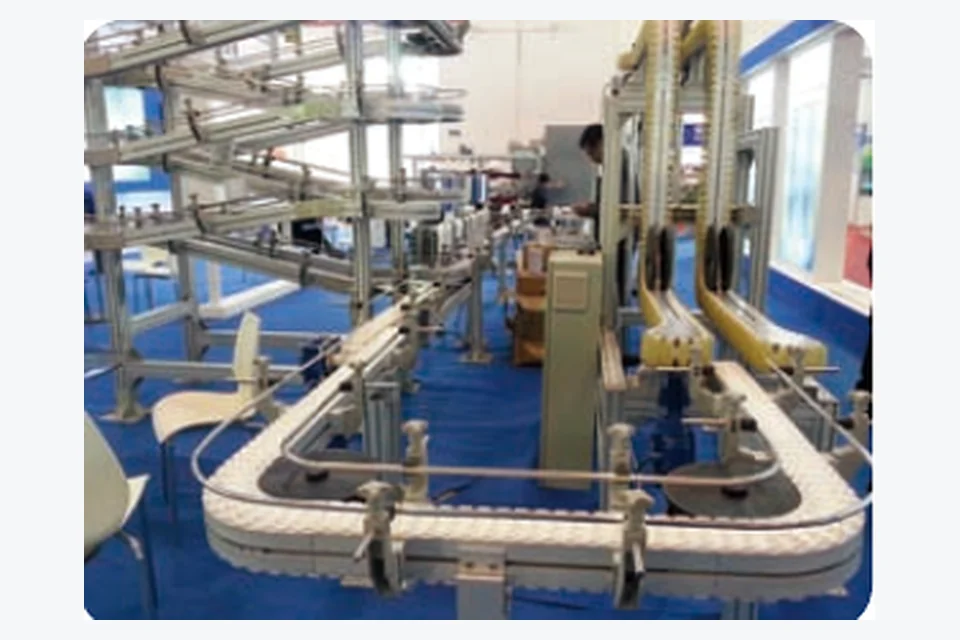
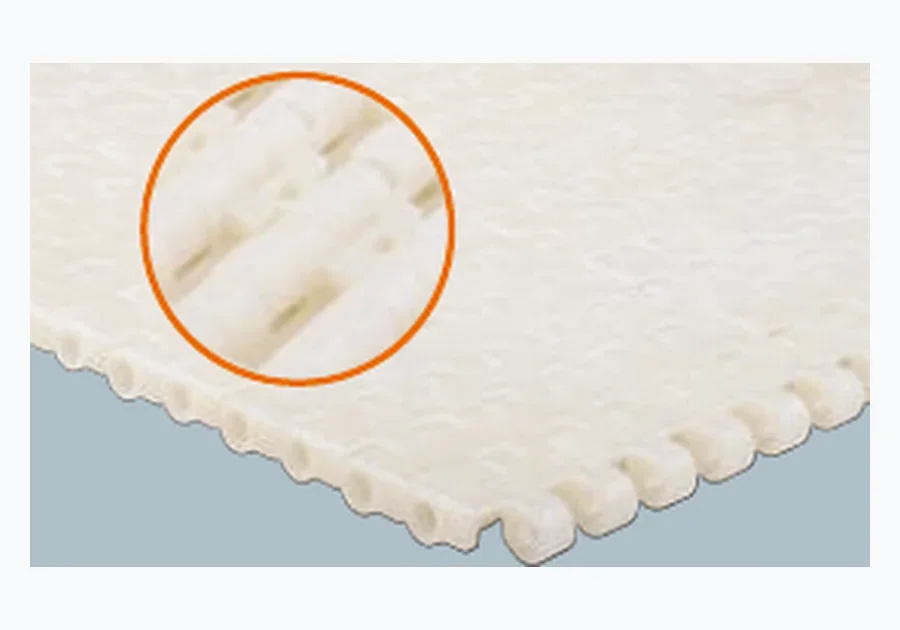
Open-grid families are natural candidates where water release is important. Use a closer face where portions need more support or where the belt serves inspection and packing. Curved or spiral sections should move to radius geometry and be reviewed as a complete path.
Smaller pitch can help around tight transfers, while broader pitch families offer different open-area patterns. The conveyor layout, not a generic seafood label, should decide which direction is useful.
The open-area reference range gives several useful reference points. For seafood, treat the smallest piece and the cleaning/drainage objective as a pair; the belt must do both jobs without creating product traps.
For chilled or wet curves, include the guide-track arrangement because lateral guidance and wear conditions are part of the radius system. Do not rely on pitch alone.
| Curve-invoer | Waarom het belangrijk is |
|---|---|
| Riembreedte | De straalcapaciteit is afhankelijk van de geselecteerde familie en breedte. |
| Binnenstraal | Definieert de draaivereiste |
| Krommingshoek | Stelt het totale pad door het geleidingssysteem in. |
| Gidsprofiel | Regelt de positionering en slijtage over de gehele kromming. |
| Rijpositie | Verandert de manier waarop de riem de bocht in- en uitgaat. |
| Productvoetafdruk | Controleert de stabiliteit en ondersteuning tijdens de bocht. |
Gebruik deze familie als selectierichting en bevestig vervolgens de daadwerkelijke steek, vlak, breedte en transportbandinterface.

Gebruik deze familie als selectierichting en bevestig vervolgens de daadwerkelijke steek, vlak, breedte en transportbandinterface.
Gebruik deze familie als selectierichting en bevestig vervolgens de daadwerkelijke steek, vlak, breedte en transportbandinterface.
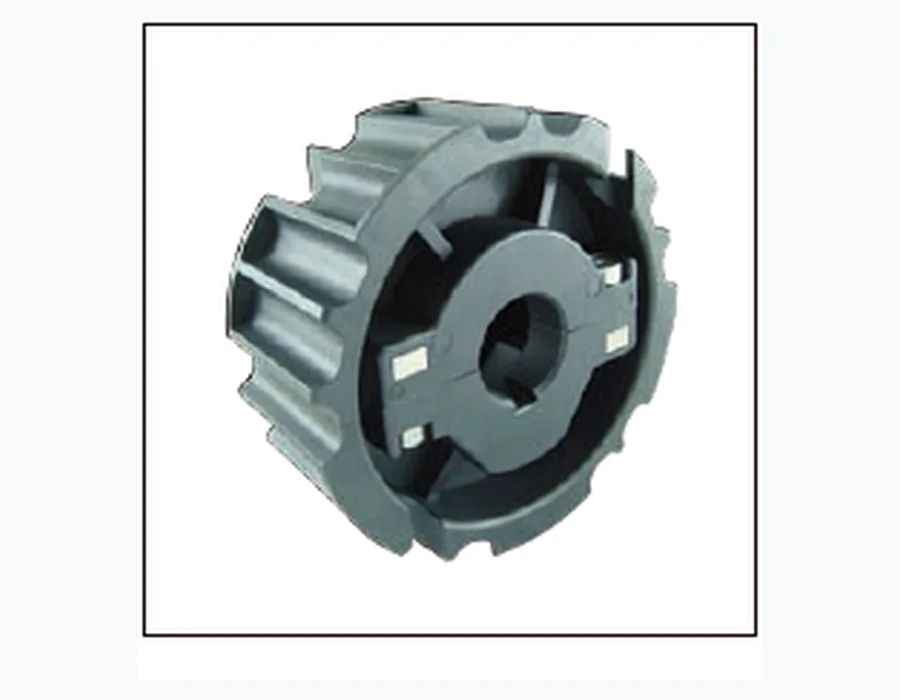
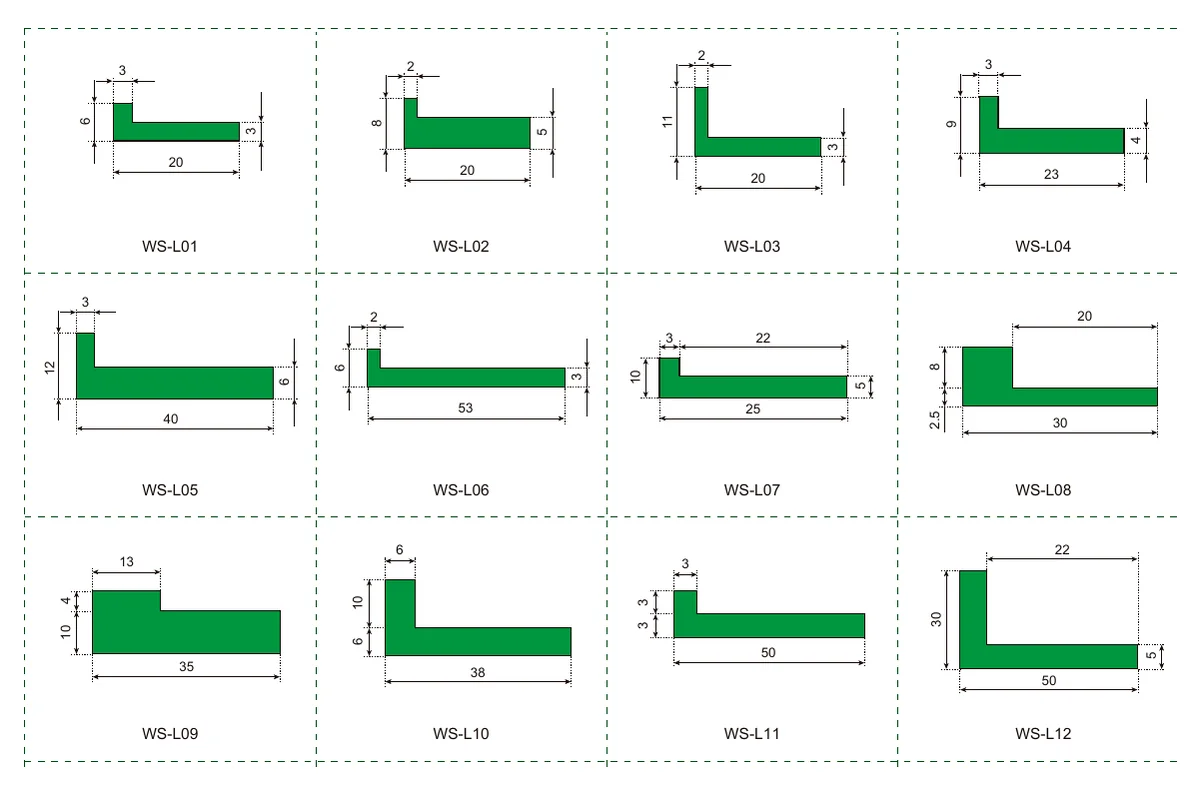
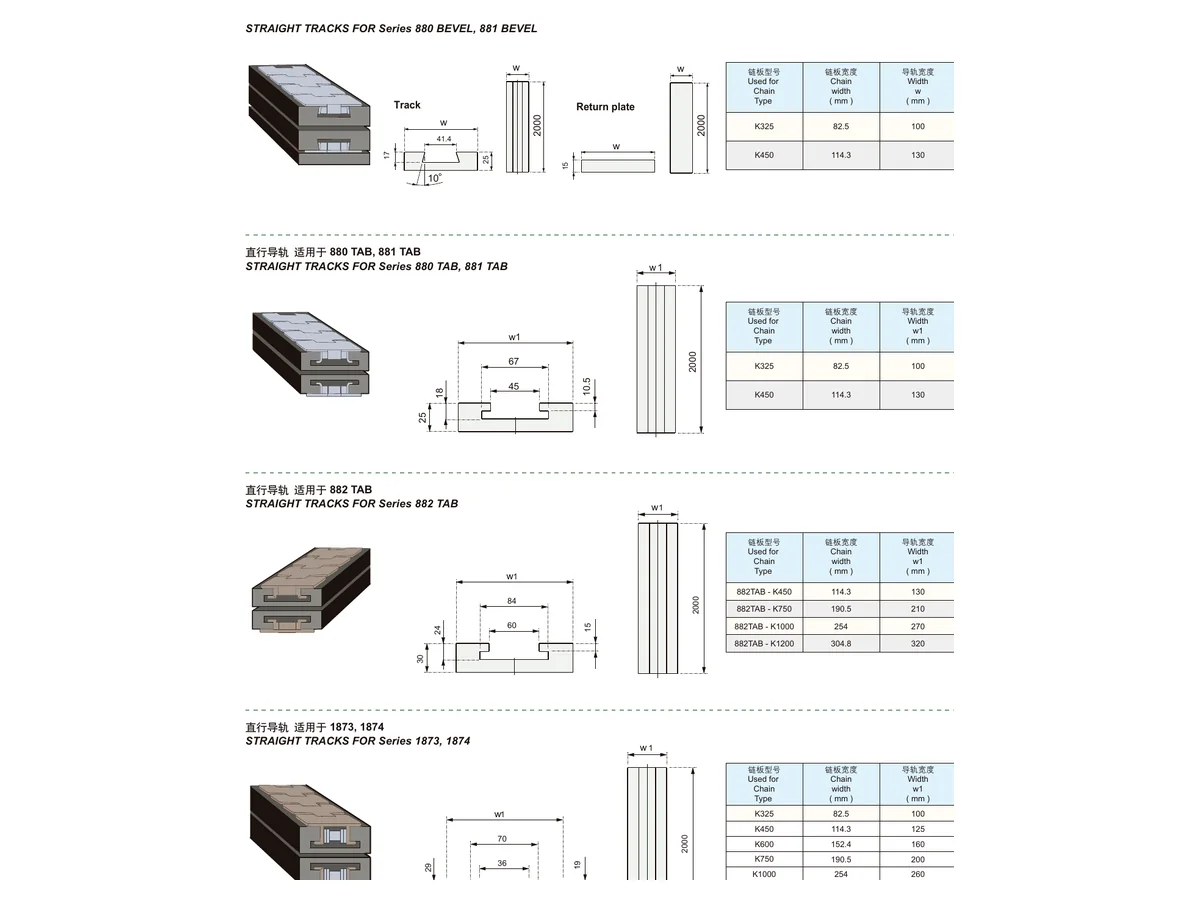
On a modular belts for seafood processing conveyor, sprockets, pins, support strips and guide profiles belong in the review whenever they affect the process or refurbishment scope. Pitch is only one drive input; underside geometry and tooth engagement still have to match. Measure wear-strip and guide sections wherever they locate the belt or product.
Inspect pins, edges and guide surfaces for wear, check sprockets for consistent engagement across belt width, and review any locations where product or cleaning residue can accumulate. State any material or compliance document required for the final order.
For a new modular belts for seafood processing installation, verify belt direction or orientation where applicable, sprocket position and engagement, guide clearance, return support and transfer alignment. For replacement work in this duty, compare the old wear pattern with the surrounding conveyor before assuming the belt itself caused the problem.
| Gebied | Versturen |
|---|---|
| Sollicitatie | Processtap en getransporteerd product |
| Riemgeometrie | Steekhoek (indien bekend), breedte, speelvlak/open oppervlak en totale lengte/hartafstand |
| Transportbandbaan | Rechte/bochtige route, binnenradius en overstappunten |
| Drijfveer | Foto's/tekeningen van het tandwiel, aantal tanden, as/boring en tandafstand |
| Plicht | Belasting, snelheid, natte/droge toestand, reiniging en relevante omgeving. |
| Commercieel | Aantal, bestemming, projectfase en gevraagde documentatie |
Not automatically. Small portions can require more support even in a wet process.
Yes. A sample description plus pitch, width, underside and sprocket photographs is useful for identification.
Usually no. Confirm the mechanical geometry first, then review material and documentation for the actual environment.
Send the information already available for the modular belts for seafood processing section. A drawing is useful, but a clear photo set plus a few measured dimensions can also start the configuration review.