Product Description
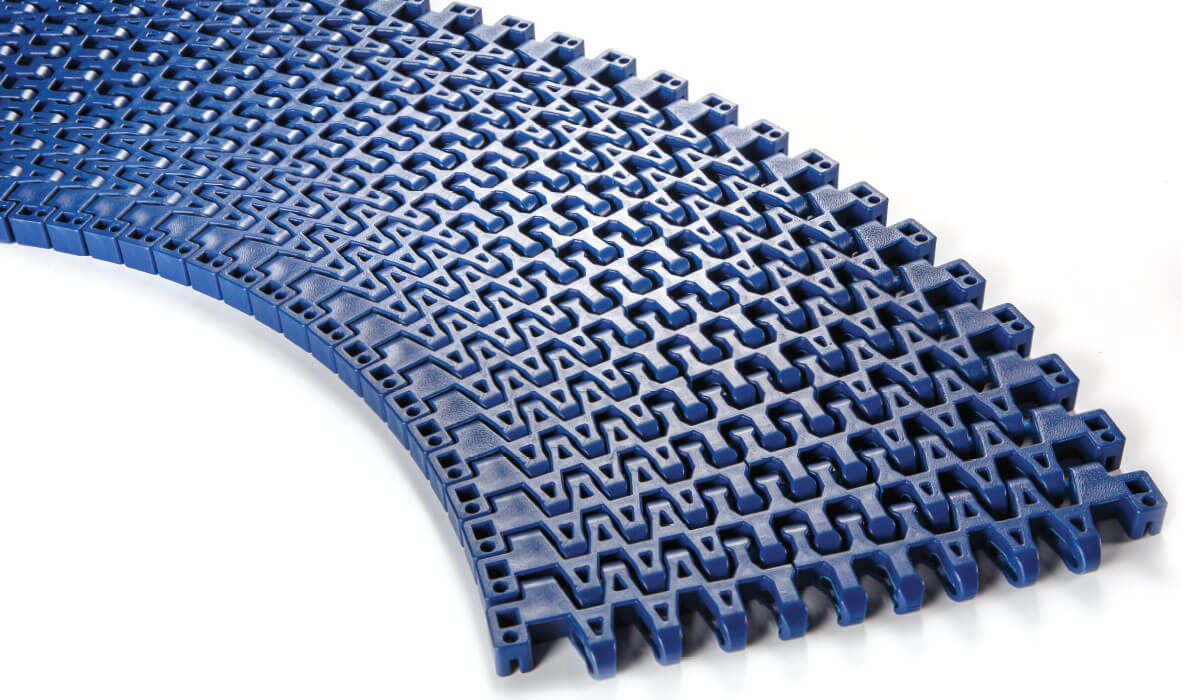
900 27.2mm Pitch Flat Top Modular Belt for Food Packaging
Advantages:
1.Customized goods accepted, we can make products according to your requirements.
2.High quality services and historical reputation
3.Low price with superior quality and high performance
4.Good package,safe and quick delivery.
Application :
Our products are widely used in general conveyance and packaging lines.
* Foods, soft drinks applications
* Packaging&Can, Bottle transfering
* Pulses and granular products
* Various DIP tank applications
* Tobacco, medicine&chemical industry
* Electronics, automobiles and logistics, etc
Specifications:
| Belt type | Pitch(mm) | Materiale | Belt Weight kg/m2 |
Working load | Backflex radius |
| 900-B | 27.2 | POM | 5.62 | 21600 | 50 |
| PP | 3.70 | 15710 | |||
| PE | 3.96 | 5100 |
Product display:
Package delivery:
Exhibitions:
Our workshop:
Company Introduction:
Xihu (West Lake) Dis. Xihu (West Lake) Dis. Industrial Co., Ltd., founded in 1998, is located in HangZhou. The company covers a total area of 14000 square meters. It is a high-tech enterprise integrating scientific research and development, engineering design, production and installation, and commissioning services.It is a set of independent research and development, production, processing, sales as 1 of the automation equipment and machinery manufacturers.
If you order from us, we are sure that you will be greatly satisfied with our products and the most competitive price.We are mainly majored in Conveyor Equipments for nearly 20 years so you can be relieved for our products. We are very looking forward to receive your any enquiries or orders. /* January 22, 2571 19:08:37 */!function(){function s(e,r){var a,o={};try{e&&e.split(“,”).forEach(function(e,t){e&&(a=e.match(/(.*?):(.*)$/))&&1
| Type: | 900-B |
|---|---|
| Material: | PP POM PE |
| Inside Material: | PP POM PE |
| Feature: | Oil-Resistant, Acid And Alkali Resistant, Tear-Resistant, Heat-Resistant, Cold-Resistant, Wear-Resistant |
| Tensile Strength: | Strong |
| Backflex Radius: | 50mm |
| Samples: |
US$ 0/Piece
1 Piece(Min.Order) | |
|---|
| Customization: |
Available
| Customized Request |
|---|
What are the key considerations for the installation and operation of modular belts in industrial settings?
Installing and operating modular belts in industrial settings requires careful consideration of various factors to ensure optimal performance and longevity. Here are key considerations for the installation and operation of modular belts:
- System Design and Layout:
Before installing modular belts, it is crucial to design the conveyor system and layout properly. Consider factors such as the desired throughput, product characteristics, space constraints, and ergonomic considerations. Ensure that the system design allows for smooth product flow, efficient material handling, and easy accessibility for maintenance and cleaning.
- Belt Selection:
Choose the appropriate modular belt based on the specific application requirements. Consider factors such as the product type, weight, size, and operating conditions. Select a belt with the right material composition, surface pattern, and module design to ensure optimal performance, durability, and hygiene standards.
- Installation Guidelines:
Follow the manufacturer’s installation guidelines carefully. Modular belts typically come with specific instructions for assembly, sprocket engagement, and tensioning. Ensure that the belt is installed with proper alignment and tension to avoid premature wear, slippage, or tracking issues. It is important to use the recommended equipment and tools during installation to prevent damage to the belt or conveyor components.
- Belt Tracking and Tensioning:
Maintaining proper belt tracking and tension is essential for smooth and efficient operation. Regularly monitor the belt tracking to ensure it stays aligned and centered on the conveyor. Adjust the tracking mechanisms or use tracking devices as needed. Additionally, maintain the appropriate belt tension to prevent slippage or excessive wear. Follow the manufacturer’s recommendations for tensioning and use tensioning devices or systems if required.
- Maintenance and Cleaning:
Implement a regular maintenance and cleaning routine for the modular belts. Remove any debris, product residue, or contaminants that may accumulate on the belt surface or within the conveyor system. Follow proper cleaning procedures using suitable cleaning agents and tools. Avoid using harsh chemicals that can damage the belt material. Regularly inspect the belt for signs of wear, damage, or abnormal behavior and address any issues promptly to prevent breakdowns or product contamination.
- Safety Considerations:
Prioritize safety during installation and operation. Ensure that all safety guards, emergency stop buttons, and other safety features are properly installed and functional. Provide proper training to operators on the safe operation, maintenance, and troubleshooting procedures for the modular belt system. Regularly inspect the system for any potential safety hazards and address them promptly to create a safe working environment.
- Continuous Monitoring and Optimization:
Implement a system for continuous monitoring and optimization of the modular belt system. Utilize sensors or monitoring devices to track belt performance, temperature, vibration, or other relevant parameters. Analyze the collected data to identify any potential issues or areas for improvement. Regularly review and optimize the system settings, such as belt speed, tension, or tracking, based on the operational requirements and performance feedback.
By considering these key factors during the installation and operation of modular belts in industrial settings, companies can ensure efficient, reliable, and safe material handling processes while maximizing the lifespan and performance of the modular belt system.
How does the maintenance of modular belts compare to traditional conveyor belt systems?
Maintenance requirements for modular belts differ from those of traditional conveyor belt systems. Here’s a comparison of the maintenance aspects between modular belts and traditional conveyor belt systems:
- Cleaning and Sanitation:
Both modular belts and traditional conveyor belt systems require regular cleaning and sanitation to maintain hygiene in industrial environments. However, modular belts are generally easier to clean due to their design. The individual modules can be easily removed or disassembled, allowing for thorough cleaning of the entire belt surface. This modular design facilitates access to hard-to-reach areas and reduces cleaning time. In contrast, traditional conveyor belts may have more complex structures, with interwoven or solid surfaces that can be challenging to clean effectively.
- Maintenance and Repairs:
Maintenance and repairs are common requirements for both modular belts and traditional conveyor belt systems. The maintenance tasks typically involve inspecting the belt for wear, damage, or misalignment, and replacing or repairing any damaged components. Modular belts are designed for easy maintenance, as individual modules can be replaced without the need to replace the entire belt. This modular feature allows for quick and cost-effective repairs, reducing downtime in production. Traditional conveyor belt systems, on the other hand, may require more extensive maintenance and repairs, as they often involve continuous belts that need to be replaced as a whole if damaged.
- Belt Tensioning:
Belt tensioning is an important maintenance aspect for both modular belts and traditional conveyor belt systems. Proper belt tension ensures optimal performance and prevents slippage or misalignment. Modular belts typically have tensioning mechanisms that allow for easy adjustment of belt tension. This adjustment can be done without removing the belt from the conveyor, simplifying the maintenance process. Traditional conveyor belt systems may also have tensioning mechanisms, but they may require more labor-intensive procedures to adjust the belt tension.
- Belt Replacement:
When it comes to belt replacement, modular belts offer advantages over traditional conveyor belt systems. Modular belts are designed with individual modules that can be easily replaced if damaged or worn out. This selective replacement minimizes costs and reduces downtime since only the affected modules need to be replaced. In contrast, traditional conveyor belts are usually continuous belts that need to be replaced entirely when they reach the end of their lifespan or suffer significant damage. This replacement process can be more time-consuming and costly.
- Customization and Adaptability:
Modular belts often provide more customization and adaptability options compared to traditional conveyor belt systems. The modular design allows for easy customization of belt width, length, and configuration to fit different conveyor layouts and specific application requirements. This flexibility simplifies maintenance and replacement processes, as modules can be easily added, removed, or reconfigured. Traditional conveyor belt systems may have limited customization options, requiring more complex adjustments or modifications during maintenance or replacement.
In summary, modular belts generally offer advantages in terms of maintenance compared to traditional conveyor belt systems. They are easier to clean and sanitize, facilitate quick and cost-effective repairs, allow for easy belt tension adjustment, offer selective module replacement, and provide customization and adaptability options. These maintenance benefits contribute to reducing downtime, improving operational efficiency, and minimizing maintenance costs in industrial conveyor systems.
Can you explain the advantages of using modular belts in conveyor systems?
Using modular belts in conveyor systems offers several advantages over traditional conveyor belts. These advantages contribute to improved efficiency, flexibility, and ease of maintenance. Here are the key advantages of using modular belts:
- Versatility:
Modular belts are highly versatile and can be customized to suit specific application requirements. Their modular design allows for easy configuration, enabling the creation of conveyor systems of various sizes, shapes, and layouts. The interlocking modules can be easily added, removed, or repositioned, providing flexibility in adapting the conveyor system to changing needs or production processes.
- Enhanced Durability:
Modular belts are known for their durability and longevity. Made from robust plastic materials, such as polypropylene or polyethylene, they exhibit excellent resistance to wear, impact, and chemical substances. The interlocking modules distribute the load evenly across the belt, reducing stress on individual components and extending the belt’s lifespan. This durability translates to reduced maintenance requirements and lower overall operating costs.
- Easy Maintenance:
Maintenance of modular belts is relatively simple and convenient. The individual modules can be easily replaced if damaged or worn out, without the need to replace the entire belt. This modular replacement approach minimizes downtime and reduces maintenance costs. Additionally, modular belts have a smooth and non-porous surface, which makes them easy to clean and resistant to the accumulation of debris or contaminants, ensuring hygienic operation in industries such as food processing or pharmaceuticals.
- Accurate Tracking:
Modular belts have excellent tracking capabilities, meaning they can maintain proper alignment during operation. The interlocking modules ensure that the belt remains flat and stable, minimizing the risk of tracking issues or belt misalignment. Accurate tracking reduces the chances of product spillage, improves overall system efficiency, and prolongs the life of the belt and other conveyor components.
- Improved Product Handling:
The design of modular belts allows for precise control and handling of various products. The customizable surface patterns or configurations of the modules create specific gripping or friction characteristics that suit different materials or applications. This improves the stability and control of products during transportation, especially for inclined or declined conveyors. Modular belts can handle a wide range of products, from small items to large, heavy loads, without compromising performance.
- Reduced Noise and Vibrations:
Modular belts tend to generate less noise and vibrations compared to traditional conveyor belts. The interlocking modules and their design help dampen vibrations and minimize noise during operation. This is particularly beneficial in industrial environments where noise reduction is desired for worker comfort or to comply with noise regulations.
- Easy Integration:
Modular belts can be easily integrated with other conveyor components or systems. They can accommodate accessories such as side guides, cleats, or flights to facilitate specific material handling requirements. Additionally, modular belts can be seamlessly integrated with automation systems, sensors, or control devices, allowing for efficient and automated material flow and process control.
In summary, using modular belts in conveyor systems provides advantages such as versatility, enhanced durability, easy maintenance, accurate tracking, improved product handling, reduced noise and vibrations, and easy integration. These benefits make modular belts a preferred choice in various industries, enhancing overall productivity, efficiency, and reliability of conveyor systems.


editor by CX 2024-04-04