Product Description
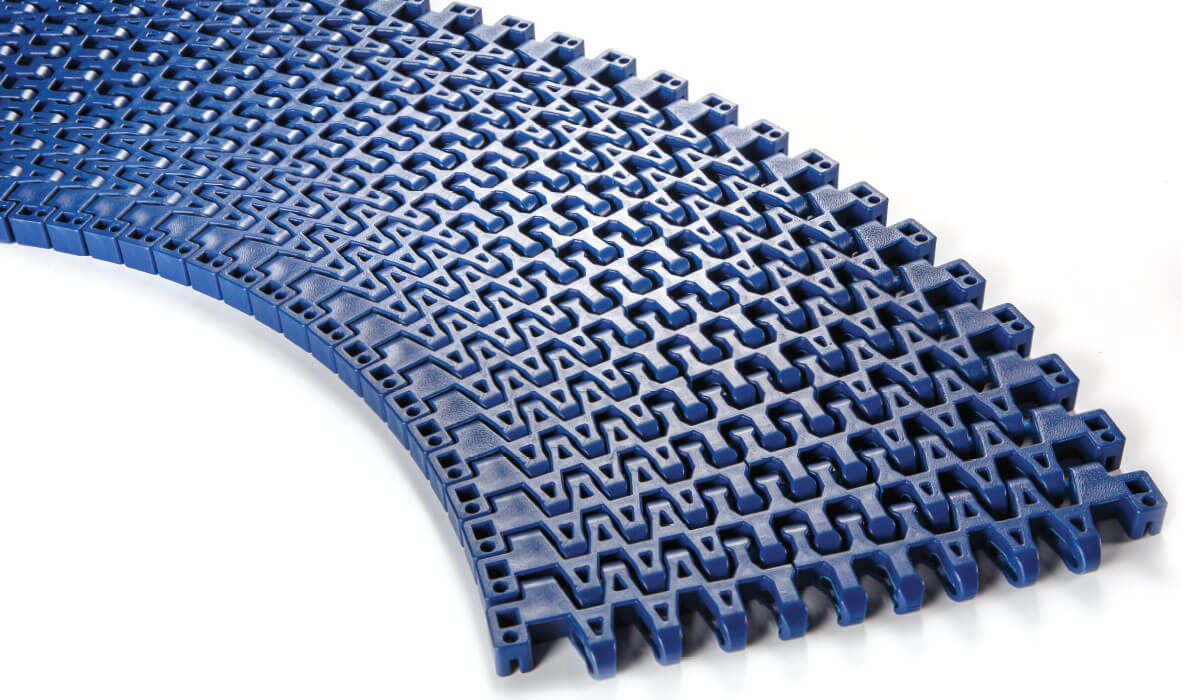
Good Quality for Seafood CZPT 5996 Flush Grid Modular Belt
| 1. model | har5996 |
| 2Pitch | 25,4 mm |
| 3.Thickness | 22.8 mm |
| 4.Condition | New |
| 5.Belt material | POM/PP/PE/PPS |
| 6.Color | White/blue/grey/brown and so on |
| 7..POM/PP loading bearing | 21500/15710 N/M |
| 8.Structure | Modular belt |
| 9.Standard | ISO9001:2008 |
| 10.Place | ZheJiang ,China |
| 11.Markets | Global |
| 12.Feature | High performancce |
| 13.Applications | Food & Beverage & Cartons & industry products conveying |
Advantages of the CZPT modular belt conveyors:
1 this modular conveyor belt are convenient to assembly and maintain
2.All color could be available
2.this modular conveyor belt can bear High mechanical strength
3.this modular conveyor belt has Excellent product handling performance
4. these modular conveyor belts are wear resistance and Oil Resistant
5.we are a professional conveyor system manufacturer, our product line contains modular belt, slat top chain, conveyor spare parts, conveyor system.
6.we can provide good after-sale service.
7.every product can be customized
Application:
Bakery, Dairy, Fruit, and Vegetable
We have extensive experience in developing specialized solutions tailored to the needs of many different Bakery industry segments: bread and bun, fresh pastry (oven and fried pastry), pizza, pasta (fresh and dry), frozen bread, frozen pastry, cookies, and crackers, with our material handling equipment conveyor systems conveyor plastic modular belt conveyor you can get surprised!
Meat Poultry Seafood
With belts and accessories designed to meet the specific needs of fruit and vegetable processing and packaging applications, Hairise is committed to helping customers achieve their operational and business goals.
Hairise continues to develop new and better ways for customers to increase throughput efficiency, improve sanitation, and reduce the costs of belt ownership.
Material handling equipment conveyor systems conveyor plastic modular belt conveyor technology to meet the specific challenges of seafood processors.
Ready Meals
Ready meal customers who equip their lines with CZPT Industrial plastic slat table top food grade conveyor chain realize many critical benefits, including:
·Reduced sanitation costs and improved food safety
·Improved line efficiency and maintain product alignment
·Reduced unscheduled downtime and reduced labor needs
Mu Jia Automation Technology(ZheJiang ) Co, Ltd.
MuJia is an integrated company engaged in the R&D, manufacture and sale of slat top chain,modular belt,conveyor system and other related components almost 20 years. Insisting on the operation principle of “Quality Based and Service First”, our company has won a high reputation through many years of development. We also cooperate with some well-known domestic and overseas enterprises.
Our head office located in ZheJiang ,new factory located in ZheJiang province,covers an areas of 15,000 square meter,there are 3 main buildings:office building,conveyor assembly workshop and production workshop.More than 10 machines for producing,many hundreds of item models for meeting customer variety requirements.Our main products are modular belt,slat top chain,flexible chain,conveyor system,comb,rail,sprocket and other conveyor related components.They are widely used in food, soft drink, packaging & manufacturing, tobacco, medicine & chemical, electronics, automobiles and logistics industries.
Q1. Where is your factory located? How can I visit there?
A: All our clients, from home or abroad, are warmly welcomed to visit us. Before you visit our company, we can connect by phone! Our company is located in ZheJiang , China, near the ZheJiang Xihu (West Lake) Dis.ao International Airport. And our factory is in ZheJiang HangZhou, we will arrange cars to there.
Q2. I don’t know what belt I currently use. Can you help me identify my belt?
A: Our online belt identifier can help you narrow down the series and style of your current belt. If you need more specific information on plastic conveyor chain belt parts manufacturers, contact me freely for plastic chains/ belts/ PU/PVC/Rubber belts/ other components and conveyors.
Q3. What can you do If the products were broken?
(1) If goods were broken once you bought from me,I would replace them freely according to the proven photos.
(2) If the goods were broken when you used, we could provide 5 year quality guarantee for plastic conveyor chain belt parts manufacturers under common working environment.
Q4. Does CZPT provide PDF files of products?
A: Yes, in our download center you can find PDF files for a large number of our products.If you can not find what you are looking for, send me your request by email or contact me on Wechat or Whatsapp freely.
/* March 10, 2571 17:59:20 */!function(){function s(e,r){var a,o={};try{e&&e.split(“,”).forEach(function(e,t){e&&(a=e.match(/(.*?):(.*)$/))&&1
| Type: | Har 5996 |
|---|---|
| Material: | POM/PP |
| Inside Material: | POM/PP |
| Feature: | Oil-Resistant, Acid And Alkali Resistant, Heat-Resistant, Cold-Resistant, Wear-Resistant |
| Tensile Strength: | Strong |
| Name: | Modular Belt |
| Customization: |
Available
| Customized Request |
|---|
Can you explain the impact of temperature and chemical exposure on the performance of modular belts?
The performance of modular belts can be significantly affected by temperature and chemical exposure. Here’s an explanation of how these factors impact the performance of modular belts:
- Temperature Exposure:
Extreme temperatures can have both immediate and long-term effects on the performance of modular belts. High temperatures can cause the belt material to soften, warp, or deform, leading to a loss of shape and functionality. This can result in increased friction, reduced belt life, and potential product damage. Conversely, low temperatures can make the belt material brittle and prone to cracking or breaking under stress. Temperature fluctuations can also affect the dimensional stability of modular belts, leading to issues such as belt elongation or contraction, misalignment, or increased wear.
To mitigate the impact of temperature exposure, modular belts are available in various temperature-resistant materials. Specialized belts with high-temperature resistance can withstand elevated temperatures without deforming or losing their structural integrity. These belts are often used in applications such as baking or heat-sealing processes. Similarly, belts with low-temperature resistance are designed to remain flexible and durable in cold environments, such as freezer or refrigeration applications. Using modular belts appropriate for the temperature conditions helps maintain optimal performance and prolongs the belt’s lifespan.
- Chemical Exposure:
Chemical exposure can also have a significant impact on the performance of modular belts. Different chemicals can react with the belt material, causing degradation, swelling, or discoloration. Harsh chemicals or cleaning agents can weaken the belt structure, leading to reduced tensile strength, increased brittleness, or loss of flexibility. Chemical exposure can also affect the surface properties of the belt, such as its friction coefficient or release characteristics, potentially impacting product handling and transfer efficiency.
To address the impact of chemical exposure, modular belts are available in chemically resistant materials. These materials are specifically formulated to withstand exposure to various chemicals commonly found in industrial environments. They are designed to resist chemical attack, prevent material degradation, and maintain the integrity of the belt. Using chemically resistant modular belts is crucial in industries where aggressive chemicals are present, such as pharmaceuticals, chemical processing, or automotive manufacturing.
It’s important to note that while modular belts are designed to withstand certain levels of temperature and chemical exposure, there are limits to their resistance. Excessive or prolonged exposure to extreme temperatures or highly corrosive chemicals can still cause damage or premature wear. Therefore, it’s essential to select the appropriate modular belt material based on the specific temperature and chemical conditions of the application, and to follow the manufacturer’s guidelines for temperature and chemical compatibility.
In summary, temperature and chemical exposure can significantly impact the performance of modular belts. Extreme temperatures can cause deformation, dimensional changes, or loss of belt integrity, while chemical exposure can lead to material degradation and reduced belt strength. By using temperature-resistant and chemically resistant modular belts, it’s possible to mitigate these effects and ensure optimal performance and longevity in diverse industrial applications.
How does the maintenance of modular belts compare to traditional conveyor belt systems?
Maintenance requirements for modular belts differ from those of traditional conveyor belt systems. Here’s a comparison of the maintenance aspects between modular belts and traditional conveyor belt systems:
- Cleaning and Sanitation:
Both modular belts and traditional conveyor belt systems require regular cleaning and sanitation to maintain hygiene in industrial environments. However, modular belts are generally easier to clean due to their design. The individual modules can be easily removed or disassembled, allowing for thorough cleaning of the entire belt surface. This modular design facilitates access to hard-to-reach areas and reduces cleaning time. In contrast, traditional conveyor belts may have more complex structures, with interwoven or solid surfaces that can be challenging to clean effectively.
- Maintenance and Repairs:
Maintenance and repairs are common requirements for both modular belts and traditional conveyor belt systems. The maintenance tasks typically involve inspecting the belt for wear, damage, or misalignment, and replacing or repairing any damaged components. Modular belts are designed for easy maintenance, as individual modules can be replaced without the need to replace the entire belt. This modular feature allows for quick and cost-effective repairs, reducing downtime in production. Traditional conveyor belt systems, on the other hand, may require more extensive maintenance and repairs, as they often involve continuous belts that need to be replaced as a whole if damaged.
- Belt Tensioning:
Belt tensioning is an important maintenance aspect for both modular belts and traditional conveyor belt systems. Proper belt tension ensures optimal performance and prevents slippage or misalignment. Modular belts typically have tensioning mechanisms that allow for easy adjustment of belt tension. This adjustment can be done without removing the belt from the conveyor, simplifying the maintenance process. Traditional conveyor belt systems may also have tensioning mechanisms, but they may require more labor-intensive procedures to adjust the belt tension.
- Belt Replacement:
When it comes to belt replacement, modular belts offer advantages over traditional conveyor belt systems. Modular belts are designed with individual modules that can be easily replaced if damaged or worn out. This selective replacement minimizes costs and reduces downtime since only the affected modules need to be replaced. In contrast, traditional conveyor belts are usually continuous belts that need to be replaced entirely when they reach the end of their lifespan or suffer significant damage. This replacement process can be more time-consuming and costly.
- Customization and Adaptability:
Modular belts often provide more customization and adaptability options compared to traditional conveyor belt systems. The modular design allows for easy customization of belt width, length, and configuration to fit different conveyor layouts and specific application requirements. This flexibility simplifies maintenance and replacement processes, as modules can be easily added, removed, or reconfigured. Traditional conveyor belt systems may have limited customization options, requiring more complex adjustments or modifications during maintenance or replacement.
In summary, modular belts generally offer advantages in terms of maintenance compared to traditional conveyor belt systems. They are easier to clean and sanitize, facilitate quick and cost-effective repairs, allow for easy belt tension adjustment, offer selective module replacement, and provide customization and adaptability options. These maintenance benefits contribute to reducing downtime, improving operational efficiency, and minimizing maintenance costs in industrial conveyor systems.
Are there specific applications where modular belts outperform other types of conveyor belts?
Yes, there are specific applications where modular belts outperform other types of conveyor belts. The unique features and advantages of modular belts make them particularly suitable for certain material handling requirements. Here are some applications where modular belts excel:
- Conveying Fragile Products:
Modular belts are well-suited for handling fragile products that require gentle transportation. The flat and even surface of modular belts minimizes product damage, such as breakage or deformation, during conveying. The customization options of modular belts, including the ability to add soft or low-friction inserts, further enhance the gentle handling of delicate items. Industries such as food, electronics, and pharmaceuticals often rely on modular belts to transport fragile products without compromising their integrity.
- Accumulation and Indexing:
Modular belts offer excellent functionality for accumulation and indexing applications. Accumulation refers to the temporary storage of products on the conveyor system, allowing for controlled release and smooth flow downstream. Modular belts with low back-pressure accumulation systems facilitate efficient accumulation, preventing product collisions and jams. Indexing, on the other hand, involves precise positioning of products for assembly, sorting, or packaging purposes. Modular belts with integrated indexing capabilities allow for accurate and repeatable positioning, ensuring reliable automation in various industries.
- Conveying in Curved or Inclined Configurations:
Modular belts are highly flexible and can easily navigate curved or inclined conveyor configurations. The individual modules of the belt can flex and adapt to different curves or angles, resulting in smooth and efficient material flow. This capability is particularly beneficial in industries where space constraints or complex layouts require curved or inclined conveyors. Examples include the food and beverage industry, where modular belts enable the transportation of products around corners or between different elevations.
- Easy Maintenance and Replacement:
Modular belts offer advantages in terms of maintenance and replacement compared to other types of conveyor belts. The modular design allows for easy access and removal of individual modules, simplifying cleaning and maintenance tasks. If a section of the belt is damaged or worn out, only the affected modules need to be replaced rather than the entire belt. This modularity reduces downtime and maintenance costs. Industries that prioritize efficient maintenance and quick replacement, such as packaging and logistics, benefit from the ease of maintenance provided by modular belts.
- Hygiene and Cleanliness:
Modular belts are designed with hygiene and cleanliness in mind, making them ideal for industries with strict sanitation requirements. The smooth and non-porous surface of modular belts is easy to clean and resistant to contaminants. They can withstand regular washdown procedures and maintain high levels of hygiene. Industries such as food processing, pharmaceuticals, and healthcare benefit from the hygienic properties of modular belts, as they help prevent cross-contamination and ensure compliance with industry regulations.
- Customization and Adaptability:
Modular belts offer a high level of customization and adaptability to meet specific material handling needs. The modular design allows for easy configuration changes, such as adjusting the width or length of the belt, adding or removing modules, or incorporating specialized features. This flexibility makes modular belts suitable for industries with diverse product sizes, shapes, and handling requirements. Customizable modular belts are commonly used in industries such as automotive manufacturing, where different components with varying sizes and weights need to be transported on the same conveyor system.
While modular belts excel in these specific applications, it’s important to note that conveyor belt selection should consider various factors, including the specific industry, product characteristics, operating conditions, and budget. Different types of conveyor belts may be more suitable for certain applications, and consulting with experts in the field can help determine the best choice for each material handling scenario.


editor by CX 2024-02-14