Product Description
FAQ
Q1:Are you a trading company or factory?
A: Xihu (West Lake) Dis. Xihu (West Lake) Dis. Industrial Co., Ltd. has factories located in ZheJiang China, We supply high quality equipment with factory price, and owns export and import rights.
Q2:What product do you manufacture?
A:Xihu (West Lake) Dis. Xihu (West Lake) Dis. Industrial Co., Ltd. is a professional manufacturer of food machinery, glass machinery, mesh belt, mesh chain, chain, chain plate, conveyor and other mechanical equipment.
Q3:What is the payment term?
A:We accept T/T, W/U, L/C, DP and so on.
Q5: What is the delivery time?
A: It takes about 5~15 days usually after receipt of your deposit. /* March 10, 2571 17:59:20 */!function(){function s(e,r){var a,o={};try{e&&e.split(“,”).forEach(function(e,t){e&&(a=e.match(/(.*?):(.*)$/))&&1
| Type: | 1000 |
|---|---|
| Material: | Metal |
| Inside Material: | Plastic |
| Feature: | Oil-Resistant, Acid And Alkali Resistant, Tear-Resistant, Heat-Resistant, Cold-Resistant, Wear-Resistant |
| Tensile Strength: | Strong |
| Backflex Radius: | 25mm |
| Samples: |
US$ 0/Piece
1 Piece(Min.Order) | |
|---|
| Customization: |
Available
| Customized Request |
|---|
Are there sustainability aspects associated with the use of modular belts in material handling systems?
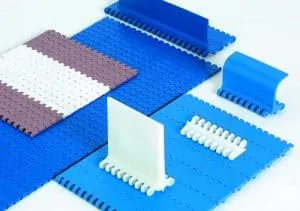
Yes, there are sustainability aspects associated with the use of modular belts in material handling systems. Here’s a detailed explanation:
The adoption of modular belts in material handling systems brings several sustainability benefits, addressing environmental, social, and economic aspects of sustainability.
- Resource Efficiency:
Modular belts are designed to optimize resource efficiency during their production and use. The manufacturing process of modular belts has become more environmentally friendly, with advancements in materials and production techniques. Manufacturers are increasingly utilizing recycled materials in the production of modular belts, reducing the demand for virgin resources. Additionally, modular belts often have a longer service life compared to traditional conveyor belts, reducing the frequency of replacements and the associated resource consumption.
- Energy Efficiency:
Modular belts contribute to energy efficiency in material handling systems. Their low friction characteristics and optimized design features minimize energy losses during operation. Reduced friction between the belt and conveyor components results in lower power requirements for driving the belt, leading to energy savings. The use of precise sprocket engagement and accurate belt tracking also helps to optimize power transmission and minimize energy waste. Overall, the energy efficiency of modular belts contributes to lower operational costs and reduced environmental impact.
- Waste Reduction:
Modular belts are designed for durability and longevity, resulting in reduced waste generation. Their robust construction and resistance to wear and tear extend their service life, reducing the frequency of belt replacements. Moreover, modular belts are often repairable, with the ability to replace individual modules or segments instead of replacing the entire belt. This repairability reduces waste generation and promotes a more sustainable approach to maintenance and replacement in material handling systems.
- Hygiene and Cleanability:
Hygiene is a significant aspect of sustainability in industries such as food processing and pharmaceuticals. Modular belts are designed with cleanability in mind, featuring smooth surfaces and reduced crevices where contaminants can accumulate. This design minimizes the risk of bacterial growth and improves food safety compliance. Additionally, some modular belts incorporate antimicrobial additives that further enhance hygiene and reduce the need for chemical cleaning agents. The improved cleanability of modular belts contributes to sustainable operations by ensuring product integrity, reducing waste due to contamination, and minimizing the use of cleaning chemicals.
- Adaptability and Flexibility:
Modular belts offer adaptability and flexibility in material handling systems, contributing to sustainability. Their modular design allows for easy customization and reconfiguration, enabling efficient use of space and resources. Modular belts can be easily integrated into existing conveyor systems or designed for unique applications, optimizing material flow and reducing the need for extensive system modifications or new installations. This adaptability and flexibility result in resource savings and increased operational efficiency, aligning with sustainable practices.
- Recyclability:
Many modular belts are made from recyclable materials, contributing to the circular economy. At the end of their service life, modular belts can be recycled and processed into new products, reducing waste and conserving resources. The recyclability of modular belts aligns with sustainable waste management practices and reduces the environmental impact associated with belt disposal.
In summary, the use of modular belts in material handling systems offers several sustainability aspects. These include resource efficiency, energy efficiency, waste reduction, improved hygiene and cleanability, adaptability and flexibility, and recyclability. By incorporating modular belts into their operations, companies can reduce their environmental footprint, lower energy consumption, minimize waste generation, and promote sustainable practices in material handling processes.
Can modular belts be customized for specific industries or conveyor configurations?
Yes, modular belts can be customized to meet the specific requirements of different industries or conveyor configurations. The modular design of these belts allows for flexibility in tailoring them to specific applications, ensuring optimal performance and functionality. Here are some ways in which modular belts can be customized:
- Material Selection:
Modular belts can be customized by selecting the appropriate materials based on the industry or application requirements. Different industries have specific material handling needs, such as food processing, pharmaceuticals, automotive, or electronics. For example, in food processing, modular belts made of FDA-approved materials that are resistant to chemicals and easy to clean are often used. In industries where high temperatures or abrasive materials are present, modular belts with heat-resistant or wear-resistant materials can be selected. By choosing the right material, the belt can be customized to withstand the demands of the specific industry.
- Module Design:
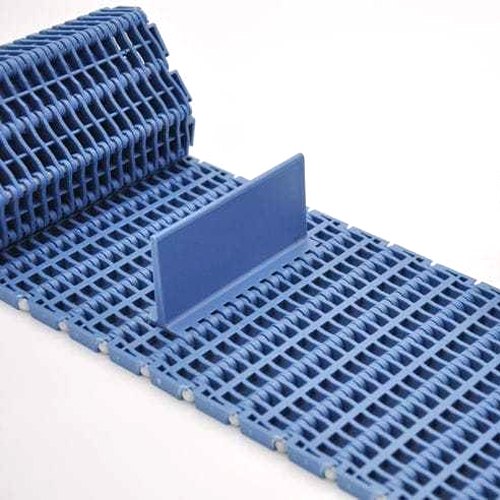
The design of individual modules can be customized to enhance the performance of the modular belt. Modules come in various shapes, sizes, and surface textures to accommodate different product characteristics and conveyor requirements. For example, modules with cleats or flights can be added to provide better grip and prevent product slippage on inclined or declined conveyors. Modules with rollers or ball transfers can facilitate smoother product transfers between conveyors. By selecting or customizing the module design, the modular belt can be tailored to specific product handling needs and conveyor configurations.
- Accessories and Features:
Modular belts can be customized with accessories and features to enhance their functionality in specific industries or conveyor configurations. Accessories such as side guards, guide rails, or diverts can be added to ensure proper product orientation and containment. Additionally, specialized features like low back-pressure accumulation systems or indexing modules can be integrated into the belt to meet specific operational requirements. These customized accessories and features enable the modular belt to adapt to unique industry needs and conveyor system configurations.
- Size and Dimensions:
The size and dimensions of modular belts can be customized to fit specific conveyor configurations. The individual modules can be easily cut or extended to achieve the desired length of the belt. Additional modules can be added or removed to adjust the width of the belt according to the available space or product handling requirements. This customization allows the modular belt to seamlessly integrate into existing conveyor systems or be tailored to fit unique conveyor layouts.
- Specialized Belting Solutions:
Some modular belt manufacturers offer specialized belting solutions for specific industries or applications. These customized solutions are designed to address the unique challenges and requirements of particular industries, such as meat and poultry processing, baking, or automotive manufacturing. They may include features like antimicrobial coatings, high-temperature resistance, or specialized surface textures. These specialized belting solutions ensure that the modular belt is optimized for the specific industry or application, providing reliable and efficient performance.
In summary, modular belts can be customized for specific industries or conveyor configurations through material selection, module design, accessories and features, size and dimensions, and specialized belting solutions. This customization allows the modular belt to meet the unique needs of different industries and ensure optimal performance and functionality in diverse conveyor system applications.
Can you explain the advantages of using modular belts in conveyor systems?
Using modular belts in conveyor systems offers several advantages over traditional conveyor belts. These advantages contribute to improved efficiency, flexibility, and ease of maintenance. Here are the key advantages of using modular belts:
- Versatility:
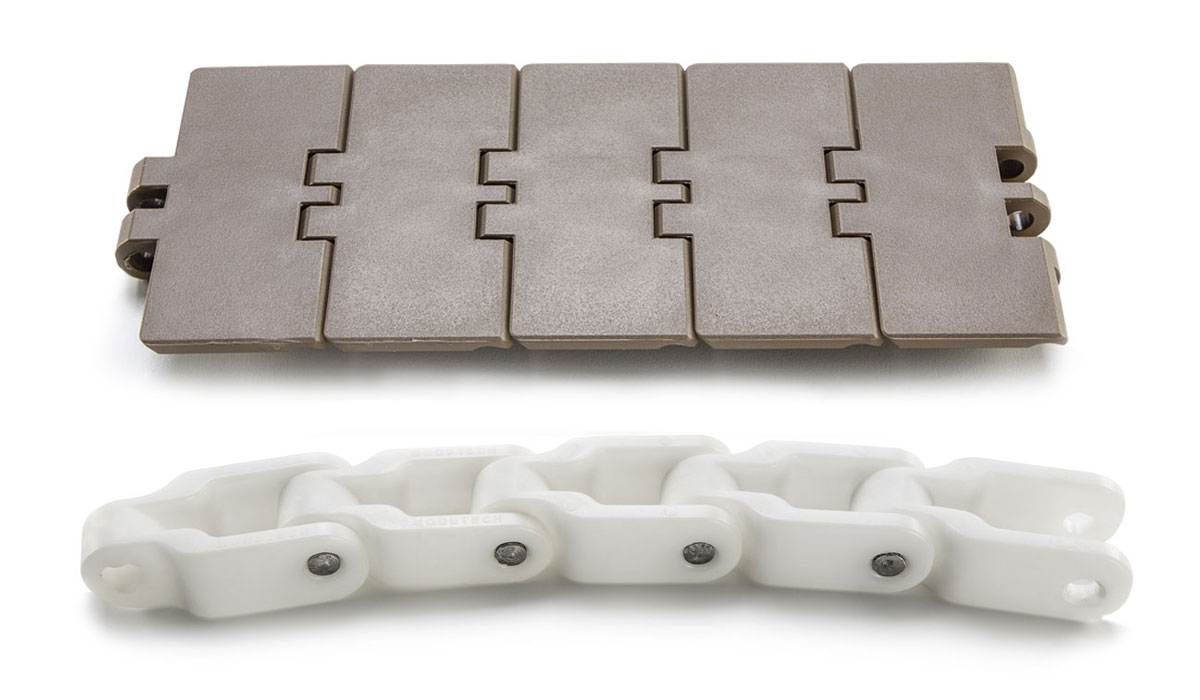
Modular belts are highly versatile and can be customized to suit specific application requirements. Their modular design allows for easy configuration, enabling the creation of conveyor systems of various sizes, shapes, and layouts. The interlocking modules can be easily added, removed, or repositioned, providing flexibility in adapting the conveyor system to changing needs or production processes.
- Enhanced Durability:
Modular belts are known for their durability and longevity. Made from robust plastic materials, such as polypropylene or polyethylene, they exhibit excellent resistance to wear, impact, and chemical substances. The interlocking modules distribute the load evenly across the belt, reducing stress on individual components and extending the belt’s lifespan. This durability translates to reduced maintenance requirements and lower overall operating costs.
- Easy Maintenance:
Maintenance of modular belts is relatively simple and convenient. The individual modules can be easily replaced if damaged or worn out, without the need to replace the entire belt. This modular replacement approach minimizes downtime and reduces maintenance costs. Additionally, modular belts have a smooth and non-porous surface, which makes them easy to clean and resistant to the accumulation of debris or contaminants, ensuring hygienic operation in industries such as food processing or pharmaceuticals.
- Accurate Tracking:
Modular belts have excellent tracking capabilities, meaning they can maintain proper alignment during operation. The interlocking modules ensure that the belt remains flat and stable, minimizing the risk of tracking issues or belt misalignment. Accurate tracking reduces the chances of product spillage, improves overall system efficiency, and prolongs the life of the belt and other conveyor components.
- Improved Product Handling:
The design of modular belts allows for precise control and handling of various products. The customizable surface patterns or configurations of the modules create specific gripping or friction characteristics that suit different materials or applications. This improves the stability and control of products during transportation, especially for inclined or declined conveyors. Modular belts can handle a wide range of products, from small items to large, heavy loads, without compromising performance.
- Reduced Noise and Vibrations:
Modular belts tend to generate less noise and vibrations compared to traditional conveyor belts. The interlocking modules and their design help dampen vibrations and minimize noise during operation. This is particularly beneficial in industrial environments where noise reduction is desired for worker comfort or to comply with noise regulations.
- Easy Integration:
Modular belts can be easily integrated with other conveyor components or systems. They can accommodate accessories such as side guides, cleats, or flights to facilitate specific material handling requirements. Additionally, modular belts can be seamlessly integrated with automation systems, sensors, or control devices, allowing for efficient and automated material flow and process control.
In summary, using modular belts in conveyor systems provides advantages such as versatility, enhanced durability, easy maintenance, accurate tracking, improved product handling, reduced noise and vibrations, and easy integration. These benefits make modular belts a preferred choice in various industries, enhancing overall productivity, efficiency, and reliability of conveyor systems.


editor by CX 2024-02-06