Equipment OEM
New machine layouts, custom widths, transfer geometry and drive/accessory interfaces.
Japanese food, packaging and precision-equipment projects often use compact layouts and expect exact identification. Small geometric differences at transfers, guides or sprocket engagement can therefore matter more than broad product-family descriptions.
| Industry / buyer | Typical conveyor task |
|---|---|
| Food / ready meals | Compact process transfer, washing and packing |
| Beverage & packaging | Stable container handling and machine interfaces |
| Bakery / snacks | Cooling, transfer and compact curves |
| Logistics automation | Cartons/totes, sensors and serviceable high-cycle conveyors |
| Precision machinery / moulding | Small-part handling and controlled geometry |
Provide exact pitch, belt width, face pattern, underside/sprocket photographs and transfer dimensions. For a new line, add the product footprint and conveyor plan. For a retrofit, show any existing guide track or wear-strip interface. Clear drawings reduce the risk of a product that has the right nominal pitch but the wrong mechanical details.
Plastic Modular Belts for Japan market context helps prepare the enquiry, but the final belt still has to be selected from the actual conveyor geometry and ordered configuration.
| Task | Selection direction / buyer check |
|---|---|
| Tight food transfer | Fine-pitch or stable face depending on product |
| Packaging line | Flat/specialty support with guides and sensors |
| Compact curve | Radius family with exact width/radius geometry |
| Precision parts | Fine support and transfer control |
| Legacy replacement | Measured cross-reference and clear identification |
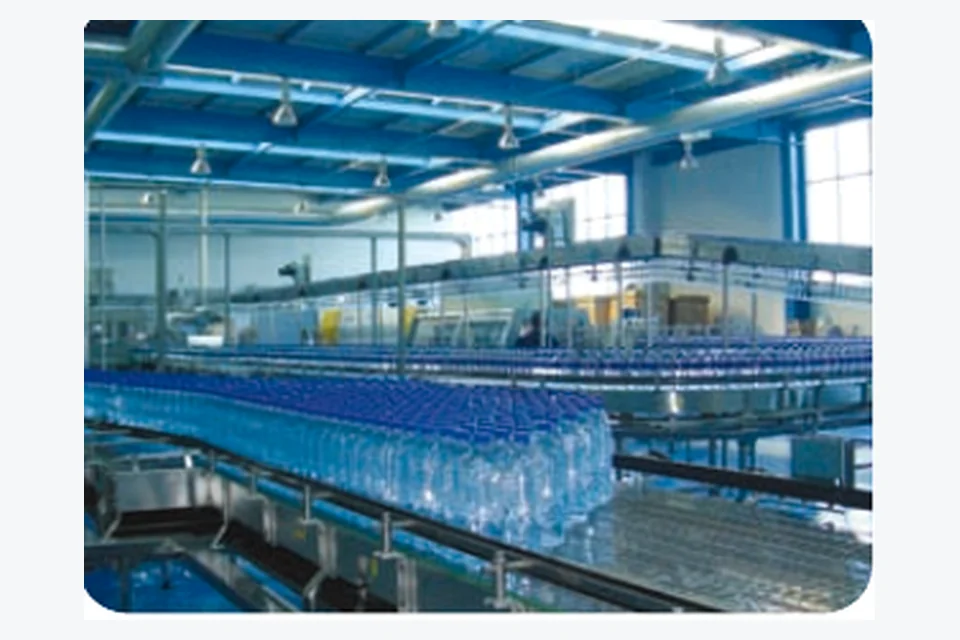
For Plastic Modular Belts for Japan enquiries, the available comparison range spans straight-running flat/open families from 12.7 to 63.5 mm pitch and radius examples at 25 and 25.4 mm pitch. Open-area examples run from modest straight-grid openings to highly open radius configurations. Use these values to narrow the project discussion, not as a promise that every pitch is offered with every surface, width or material.
In Plastic Modular Belts for Japan projects, sprockets, connecting pins, guide tracks and wear strips can be reviewed with the belt when the conveyor is being built or refurbished. This is useful when machine-interface changes, spare-parts planning or downtime concerns make a belt-only quotation incomplete.
New machine layouts, custom widths, transfer geometry and drive/accessory interfaces.
Application-driven selection across process, packaging and automated handling systems.
Replacement identification from dimensions, photographs, existing samples and sprocket data.
Refurbishment, spare-belt planning and application-specific documentation requirements.
Specify drawing format and any material/inspection documentation needed for project approval. Exact availability is confirmed during configuration review. This page does not indicate a Japanese office, stock point or service base.
| Request item | How to state it |
|---|---|
| Drawing / dimensions | Identify the belt/accessory and the dimensions required for approval |
| Material information | State the environment or customer requirement that must be confirmed |
| Inspection record | State which dimensions/features must be checked |
| Replacement cross-reference | Provide legacy code plus independent measurements/photos |
| Packaging / labeling | State project or distribution requirements in the RFQ |
Small machined or moulded parts need controlled support, transfer gaps and contact surfaces, especially through compact automation.
Map each conveyor section by product support, wet/dry condition, cleaning method and transfer size before choosing the face.
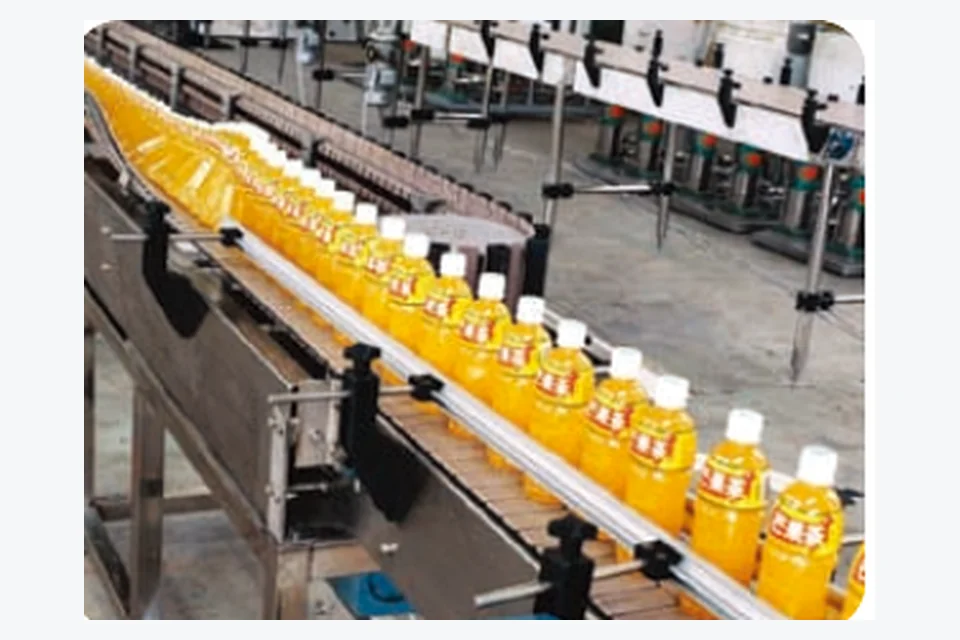
Container base stability, wet zones, guides, accumulation and machine-to-machine transfers drive the useful belt configuration.
| Technical | Commercial |
|---|---|
| Belt pitch, width and conveying face | Quantity or estimated requirement |
| Straight/curve path and radius if applicable | Destination country and company |
| Sprocket/shaft/underside information | Project stage: new design, replacement or spare |
| Product, load, speed and environment | Requested drawings or documentation |
| Guide/wear-strip interface if part of scope | Related accessory quantities |
For a Plastic Modular Belts for Japan project, send the conveyor details in the format already available: drawing, sketch, photos, old belt data or measurements. The configuration can be narrowed before a formal drawing package is complete.