Product Description
Product Description
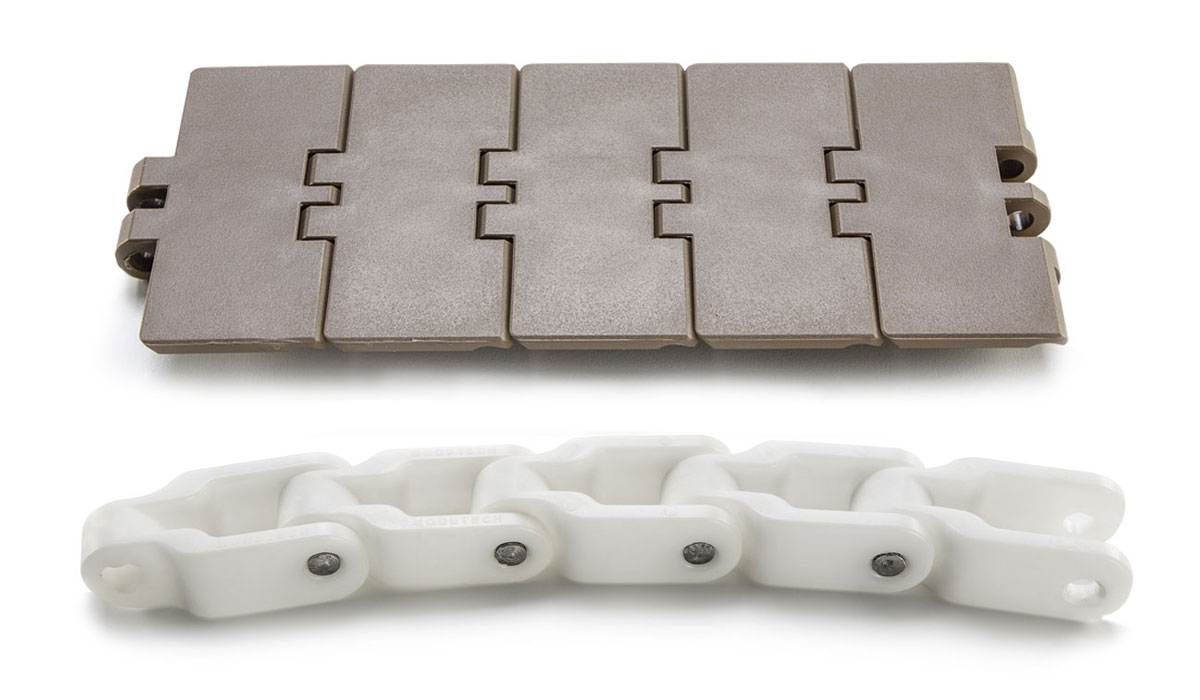
1:Application in the conveyor of tinplate bottle ,the conveyor of PET bottle,and the conveyor of aluminium pot,Storage platform and conveying of edge.it is suitable for small things passing.it also suitable for the conveying of medicine ,cosmetics ,and small food .
2:The temperature of POM :-40°C~+90°C
3:The temperature of PP:+1°C~+98°C(suitable for the environment of sour)
| Product Name | Plastic Modular Conveyor Belt for Food Beverage |
| Tonhöhe | 12.7mm,27.2mm,15.2mm,19.05mm,25.4mm,27.2mm,50.8mm |
| Color | white,coffee,blue |
| Material | POM/ PP |
| Open area | 0% |
Packaging & Delivery
Packaging Details Carton or Wooden Box
Delivery Time 5-7 working days
Company Information
Related Products
Exhibition
/* March 10, 2571 17:59:20 */!function(){function s(e,r){var a,o={};try{e&&e.split(“,”).forEach(function(e,t){e&&(a=e.match(/(.*?):(.*)$/))&&1
| Material Capabilities: | POM/PP |
|---|---|
| Type: | Förderband |
| Name: | Modular Belt |
| Load: | Heavy Duty |
| Mat: | POM/PP |
| Application: | Conveyor All Kinds of Goods |
| Samples: |
US$ 0.1/Piece
1 Piece(Min.Order) | |
|---|
| Customization: |
Available
| Customized Request |
|---|
What innovations and advancements have been made in modular belt technology in recent years?
In recent years, modular belt technology has seen several innovations and advancements aimed at improving performance, efficiency, and versatility. Here are some notable developments in modular belt technology:
- Advanced Materials:
New and improved materials have been developed for modular belts, enhancing their durability, strength, and resistance to wear and tear. These materials include high-performance polymers, such as polyethylene and polypropylene blends with enhanced properties. These advanced materials offer improved resistance to chemicals, impact, and abrasion, allowing modular belts to withstand harsh operating conditions and extend their service life.
- Enhanced Design Features:
Modular belts now incorporate enhanced design features that optimize their performance and functionality. These features include specialized surface patterns or textures that improve product grip and reduce slippage, enhancing the efficiency of incline or decline applications. Enhanced module shapes, such as ribbed or cleated modules, provide better product stability and control during conveying. Additionally, advancements in sprocket engagement systems and module-to-module connections have improved belt tracking, reducing the risk of misalignment and improving overall conveyor system reliability.
- Customization and Adaptability:
Recent advancements in modular belt technology have expanded customization and adaptability options. Modular belts can now be easily tailored to specific application requirements, allowing for greater flexibility in design and layout. Customization options include belt width, length, module configurations, and surface features. This adaptability enables modular belts to be seamlessly integrated into existing conveyor systems or designed for unique applications, optimizing material handling efficiency and improving overall operational performance.
- Improved Cleanability:
Hygiene and cleanability have been a focus of innovation in modular belt technology. Manufacturers have developed modular belts with smoother surfaces and reduced crevices or recesses where contaminants can accumulate. This design improvement simplifies cleaning processes, reduces the risk of bacterial growth, and enhances food safety compliance in food processing applications. Additionally, advancements in modular belt materials have resulted in increased resistance to staining, allowing for easier removal of stubborn residues and reducing maintenance efforts.
- Integration with Industry 4.0:
Modular belt technology has been integrated with Industry 4.0 concepts and smart manufacturing principles. Sensor technologies can now be incorporated into modular belts to monitor various parameters such as belt tension, speed, temperature, or product presence. This real-time data collection enables predictive maintenance, optimizing belt performance, and reducing unplanned downtime. Integration with automation systems and data analytics further enhances operational efficiency and enables intelligent material handling and process control.
- Environmental Sustainability:
There has been a growing emphasis on environmental sustainability in modular belt technology. Manufacturers are developing modular belts made from recycled or recyclable materials, reducing their carbon footprint and promoting circular economy practices. Additionally, advancements in manufacturing processes have led to reduced energy consumption and waste generation during production. These eco-friendly initiatives contribute to the overall sustainability of modular belt systems while meeting the increasing demand for environmentally responsible solutions.
In summary, recent years have witnessed significant innovations and advancements in modular belt technology. These include the development of advanced materials, enhanced design features, increased customization and adaptability, improved cleanability, integration with Industry 4.0 technologies, and a focus on environmental sustainability. These advancements have resulted in modular belts that offer improved performance, durability, hygiene, and operational efficiency, meeting the evolving needs of various industries and applications.
Can modular belts be customized for specific industries or conveyor configurations?
Yes, modular belts can be customized to meet the specific requirements of different industries or conveyor configurations. The modular design of these belts allows for flexibility in tailoring them to specific applications, ensuring optimal performance and functionality. Here are some ways in which modular belts can be customized:
- Material Selection:
Modular belts can be customized by selecting the appropriate materials based on the industry or application requirements. Different industries have specific material handling needs, such as food processing, pharmaceuticals, automotive, or electronics. For example, in food processing, modular belts made of FDA-approved materials that are resistant to chemicals and easy to clean are often used. In industries where high temperatures or abrasive materials are present, modular belts with heat-resistant or wear-resistant materials can be selected. By choosing the right material, the belt can be customized to withstand the demands of the specific industry.
- Module Design:
The design of individual modules can be customized to enhance the performance of the modular belt. Modules come in various shapes, sizes, and surface textures to accommodate different product characteristics and conveyor requirements. For example, modules with cleats or flights can be added to provide better grip and prevent product slippage on inclined or declined conveyors. Modules with rollers or ball transfers can facilitate smoother product transfers between conveyors. By selecting or customizing the module design, the modular belt can be tailored to specific product handling needs and conveyor configurations.
- Accessories and Features:
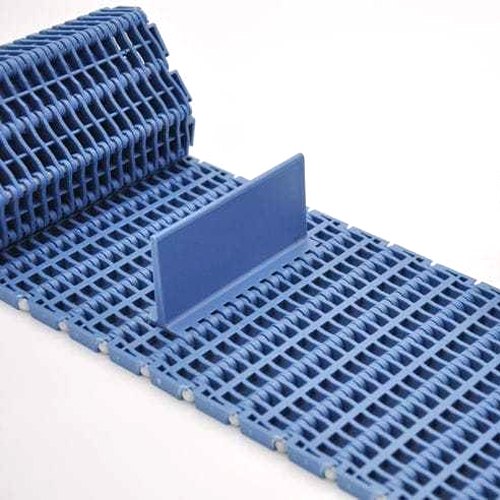
Modular belts can be customized with accessories and features to enhance their functionality in specific industries or conveyor configurations. Accessories such as side guards, guide rails, or diverts can be added to ensure proper product orientation and containment. Additionally, specialized features like low back-pressure accumulation systems or indexing modules can be integrated into the belt to meet specific operational requirements. These customized accessories and features enable the modular belt to adapt to unique industry needs and conveyor system configurations.
- Size and Dimensions:
The size and dimensions of modular belts can be customized to fit specific conveyor configurations. The individual modules can be easily cut or extended to achieve the desired length of the belt. Additional modules can be added or removed to adjust the width of the belt according to the available space or product handling requirements. This customization allows the modular belt to seamlessly integrate into existing conveyor systems or be tailored to fit unique conveyor layouts.
- Specialized Belting Solutions:
Some modular belt manufacturers offer specialized belting solutions for specific industries or applications. These customized solutions are designed to address the unique challenges and requirements of particular industries, such as meat and poultry processing, baking, or automotive manufacturing. They may include features like antimicrobial coatings, high-temperature resistance, or specialized surface textures. These specialized belting solutions ensure that the modular belt is optimized for the specific industry or application, providing reliable and efficient performance.
In summary, modular belts can be customized for specific industries or conveyor configurations through material selection, module design, accessories and features, size and dimensions, and specialized belting solutions. This customization allows the modular belt to meet the unique needs of different industries and ensure optimal performance and functionality in diverse conveyor system applications.
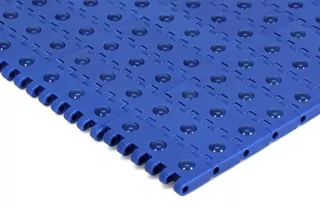
How do modular belts differ from traditional conveyor belts in terms of design and functionality?
In terms of design and functionality, modular belts differ from traditional conveyor belts in several key ways. These differences contribute to the unique advantages and capabilities of modular belts in industrial applications. Here’s a detailed comparison:
- Design:
Traditional conveyor belts are typically made of a continuous loop of material, such as rubber or fabric, that is stretched over a series of rollers. In contrast, modular belts are composed of individual interlocking modules or links. Each module has built-in hinges or connecting rods that allow for easy assembly and disassembly. The modules are usually flat or slightly curved, and they can be customized with various surface patterns, textures, or accessories to meet specific application requirements.
- Flexibility:
Modular belts offer greater flexibility compared to traditional conveyor belts. The modular design allows for easy configuration and customization of the belt’s width, length, and layout. The interlocking modules can be added, removed, or repositioned as needed, enabling the creation of conveyor systems of different sizes and shapes. This flexibility makes modular belts adaptable to changing production processes or facility layouts, whereas traditional conveyor belts are relatively fixed in their dimensions and configurations.
- Load Distribution:
Modular belts distribute the load more evenly compared to traditional conveyor belts. The interlocking modules share the weight of the transported goods, reducing stress on individual components and enhancing the belt’s durability. In traditional conveyor belts, the load is concentrated on the belt’s surface, which can lead to uneven wear and potential damage. The load distribution capability of modular belts allows them to handle a wide range of loads, from lightweight packages to heavy bulk materials, with improved performance and longevity.
- Maintenance and Repair:
Maintenance and repair of modular belts are generally easier compared to traditional conveyor belts. If a module gets damaged or worn out, it can be replaced individually without the need to replace the entire belt. This modular replacement approach reduces downtime and maintenance costs. In contrast, repairing traditional conveyor belts often involves replacing a larger section or the entire belt, which can be more time-consuming and costly. Additionally, modular belts have a smooth and non-porous surface, making them easier to clean and resistant to debris or contaminants, enhancing hygiene and reducing maintenance requirements.
- Accumulation and Sorting:
Modular belts excel in accumulation and sorting applications. The interlocking modules create a flat and even surface that allows products to accumulate without interference. This feature is beneficial in assembly lines or distribution centers where items need to be temporarily stored or grouped before further processing or sorting. Traditional conveyor belts, on the other hand, may not provide the same level of product stability and accumulation capabilities.
- Tracking and Alignment:
Modular belts have excellent tracking and alignment characteristics. The interlocking modules ensure that the belt remains flat and stable during operation, minimizing the risk of tracking issues or belt misalignment. This accurate tracking improves overall system efficiency, reduces product spillage, and extends the life of the belt and other conveyor components. Traditional conveyor belts may require additional mechanisms or adjustments to maintain proper tracking and alignment.
- Specialized Applications:
Modular belts are suitable for a wide range of specialized applications. Their versatility and customizable design make them adaptable to specific material handling needs. For example, modular belts can withstand high temperatures, making them suitable for baking or heat-treatment applications where traditional belts may not be suitable. They can also be customized to provide tight transfers or small product gaps, which is beneficial in industries such as packaging. Traditional conveyor belts may not offer the same level of customization or specialized capabilities.
In summary, modular belts differ from traditional conveyor belts in terms of their design and functionality. The modular design and flexibility of modular belts allow for easy configuration, customization, and maintenance. They offer advantages such as improved load distribution, accurate tracking, and suitability for specialized applications. These differences contribute to the unique capabilities and benefits of modular belts in industrial settings.


editor by CX 2024-02-05