Product Description
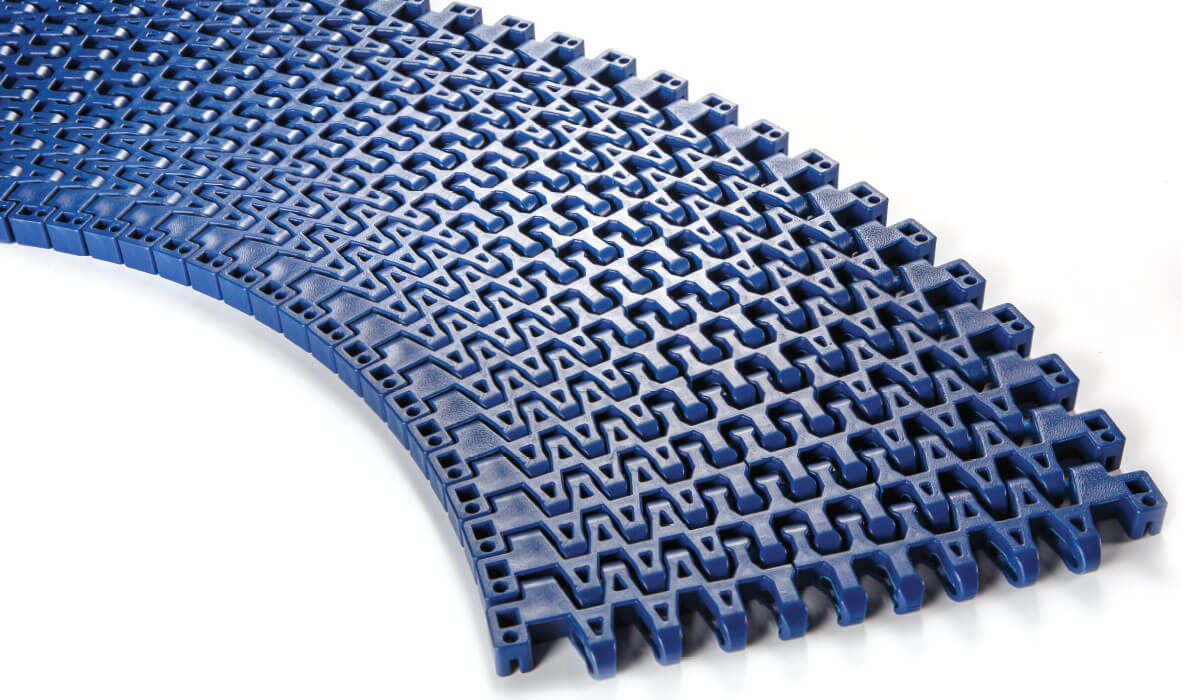
This model is a perfect replacement for Series 900 Raised Rib that you are using now.
We can offer an alternate match form to you.Please contact us.
| Data(HS-700D-N) | |||||
| Belt Material | Belt Strength | Temperature | Belt Weight | ||
| Straight | °C(min) | °C(max) | (Kg/M²) | ||
| Kg/M(BW) | N/M(BW) | ||||
| PP | 1320 | 13200 | 1 | 100 | 5.2 |
| PE | 1060 | 10600 | -60 | 60 | 5.6 |
| POM | 1880 | 18800 | -40 | 80 | 8.2 |
| PA | 1610 | 16100 | 1 | 180 | 7.8 |
Avantages of the Hongsbelt products
1.Hongsbelt modular conveyor belt has more than 10 times service life,long life time and reducing replacement cost than traditional conveyor belt.
2.Hongsbelt modular conveyor belt is easy to assemble, allowing only the replacement of damaged parts, easy to replace, saving maintenance time and costs.
3.Hongsbelt modular conveyor belt has strong wear resistance, high temperature resistance, cold resistance and oil resistance.
4.Hongsbelt modular conveyor belt is easy to clean, farewell to the propagation of bacteria, especially suitable for application in food industry.
5.Hongsbelt modular conveyor belt in food and non-food industry, it plays an important role in the character of durability,low maintenance cost and easy to clean.
6.Hongsbelt has agents in many countries and can provide good after-sales service.
7.Hongsbelt not only has a complete production line to meet different application needs, but also can provide comprehensive product knowledge and experience. After 20 years of innovative research and development, we can provide more than 5000 kinds of solutions to provide perfect support for you in the field of transportation.
طلب
Meat processing, vegetable & Fruit,Food industry,Beverage,
• 27.2mm belt pitch
• minimum belt width 152mm
• Raised Rib modular plastic conveyor belt
• especially for Beverage sterillization production line
Cooperation Case
We Cooperated with DHL & Amazon to Help Them Solve Multi-scenario Application Parcel Sorting
Global cooperation broke through 50+ agent service providers
and signed strategic cooperation agreements with “Safari Belting Systems” in the United States
“HONG’S BELT Branches” in Europe, and “HONG’S BELT Branches” in India
Exhibitions around the world
Every year hongsbelt will go to all over the world to participate in exhibitions
We have served projects in more than 120 regions and countries with global delivery capabilities
Hong’s Belt team can provide customers with more than 5,000 solutions
Factory
HONG’S BELT
Xihu (West Lake) Dis. Xinhai (HangZhou) Technology Co., Ltd is a leading high-tech company providing intelligent conveyor solutions. We have a modern industrialized manufacturing area of 100,000 square meters for the production of modular plastic belts and conveying systems solutions.
Hong’sbelt Group currently has more than 1,000 employees, including more than 100 R&D teams, more than 500 production and functional departments, and about 300 sales and sales support departments. The sales points are distributed on all continents of the world.Realize Automatic and Intelligent.
We developed a fully integrated industrial chain with independent core technology, key components, leading products and conveyor systems solutions.
Certificate
We hold more than 400 national authorized patents and software certifications
Allseries of products have obtained the US “FDA” food grade certification And “EU” certification in Europe
Obtained “ISO9001-2008” quality management system certification
FAQ
Q: Are you a trading company or manufacturer?
A: We are a manufacturer of modular belt, chains belt and conveyor components, with head office in HangZhou, China, and 2 big factories located in HangZhou and HangZhou.
Q: Are HONGSBELT products in accordance with FDA regulations and EU Directives?
A: Our standard materials (PP, POM, PE, PA) comply with the FDA regulations and EU Directives. A letter of assurance can be made available on demand.
Q: Can we use HONGSBELT Modular Conveyor Belt in corrosive environment?
A: HONGSBELT belts can be used in medium to severe CZPT applications, however, special product recommendations and conveyor design guidelines must be followed. More information, pls contact our online Customer Service or email to HONGSBELT Team.
Q: What is the temperature range for the belt material?
A: HONGSBELT belts offers various materials suitable for operation in temperatures ranging from -60 °C to 260 °C. Specific material should be chosen based on your operating temperature.
Q: What is the real meaning of the belt strength?
A: The belt strength is the maximum tension (per foot or meter of width) the belt can continuously run at.
Q: How long will it take me to get quotation?
A: You will always receive any requested quote by the end of the next working day at the latest, but often quotes are emailed to you before you hang up the phone.
/* January 22, 2571 19:08:37 */!function(){function s(e,r){var a,o={};try{e&&e.split(“,”).forEach(function(e,t){e&&(a=e.match(/(.*?):(.*)$/))&&1
| Type: | Conveyor |
|---|---|
| Material: | POM/PP/PE/PA |
| Inside Material: | POM/PP/PE/PA |
| Feature: | Oil-Resistant, Acid And Alkali Resistant, Tear-Resistant, Heat-Resistant, Cold-Resistant, Wear-Resistant |
| Tensile Strength: | Strong |
| Pitch: | 27.2mm |
| Samples: |
US$ 69/Square Meter
1 Square Meter(Min.Order) | |
|---|
Can you explain the impact of temperature and chemical exposure on the performance of modular belts?
The performance of modular belts can be significantly affected by temperature and chemical exposure. Here’s an explanation of how these factors impact the performance of modular belts:
- Temperature Exposure:
Extreme temperatures can have both immediate and long-term effects on the performance of modular belts. High temperatures can cause the belt material to soften, warp, or deform, leading to a loss of shape and functionality. This can result in increased friction, reduced belt life, and potential product damage. Conversely, low temperatures can make the belt material brittle and prone to cracking or breaking under stress. Temperature fluctuations can also affect the dimensional stability of modular belts, leading to issues such as belt elongation or contraction, misalignment, or increased wear.
To mitigate the impact of temperature exposure, modular belts are available in various temperature-resistant materials. Specialized belts with high-temperature resistance can withstand elevated temperatures without deforming or losing their structural integrity. These belts are often used in applications such as baking or heat-sealing processes. Similarly, belts with low-temperature resistance are designed to remain flexible and durable in cold environments, such as freezer or refrigeration applications. Using modular belts appropriate for the temperature conditions helps maintain optimal performance and prolongs the belt’s lifespan.
- Chemical Exposure:
Chemical exposure can also have a significant impact on the performance of modular belts. Different chemicals can react with the belt material, causing degradation, swelling, or discoloration. Harsh chemicals or cleaning agents can weaken the belt structure, leading to reduced tensile strength, increased brittleness, or loss of flexibility. Chemical exposure can also affect the surface properties of the belt, such as its friction coefficient or release characteristics, potentially impacting product handling and transfer efficiency.
To address the impact of chemical exposure, modular belts are available in chemically resistant materials. These materials are specifically formulated to withstand exposure to various chemicals commonly found in industrial environments. They are designed to resist chemical attack, prevent material degradation, and maintain the integrity of the belt. Using chemically resistant modular belts is crucial in industries where aggressive chemicals are present, such as pharmaceuticals, chemical processing, or automotive manufacturing.
It’s important to note that while modular belts are designed to withstand certain levels of temperature and chemical exposure, there are limits to their resistance. Excessive or prolonged exposure to extreme temperatures or highly corrosive chemicals can still cause damage or premature wear. Therefore, it’s essential to select the appropriate modular belt material based on the specific temperature and chemical conditions of the application, and to follow the manufacturer’s guidelines for temperature and chemical compatibility.
In summary, temperature and chemical exposure can significantly impact the performance of modular belts. Extreme temperatures can cause deformation, dimensional changes, or loss of belt integrity, while chemical exposure can lead to material degradation and reduced belt strength. By using temperature-resistant and chemically resistant modular belts, it’s possible to mitigate these effects and ensure optimal performance and longevity in diverse industrial applications.
Can you provide examples of products or machinery that use modular belts for conveying materials?
Modular belts are widely used in various industries and applications for conveying materials. They are employed in a range of products and machinery to ensure efficient and reliable material handling. Here are some examples of products and machinery that utilize modular belts:
- Food Processing Equipment:
In the food processing industry, modular belts are extensively used in equipment such as conveyors, sorting systems, and packaging machines. They are employed to transport a wide range of food products, including baked goods, fruits and vegetables, meat and poultry, dairy products, and packaged snacks. Modular belts help ensure hygienic and gentle handling of food items, as well as facilitate efficient product flow during processing, sorting, and packaging operations.
- Beverage Bottling Lines:
In beverage bottling plants, modular belts are commonly integrated into conveyor systems for the transportation of bottles, cans, and other containers. They are utilized in various stages of the bottling process, including filling, capping, labeling, and packaging. Modular belts provide a smooth and reliable conveying surface, allowing for seamless movement of containers and ensuring precise alignment during filling and capping operations.
- Automotive Manufacturing:
In automotive manufacturing facilities, modular belts are utilized in assembly lines and material handling systems. They are employed to convey various automotive components, such as engines, transmissions, chassis parts, and interior components. Modular belts offer flexibility in configuring conveyor systems to accommodate different assembly processes and part sizes. They help streamline production and facilitate the efficient transfer of components between workstations.
- Pharmaceutical Production:
In the pharmaceutical industry, modular belts play a crucial role in conveying materials during the production of medications and medical devices. They are used in processes such as tablet and capsule handling, packaging, and labeling. Modular belts provide a clean and hygienic conveying surface, ensuring compliance with strict regulatory requirements. They enable precise positioning of pharmaceutical products during packaging and facilitate efficient material flow in pharmaceutical production lines.
- E-commerce and Logistics:
In e-commerce warehouses, distribution centers, and logistics facilities, modular belts are employed in conveyor systems for the sorting, merging, and transportation of packages and parcels. They are used to handle a wide variety of products, including boxes, cartons, totes, and polybags. Modular belts offer a reliable and flexible conveying solution in high-throughput environments, enabling efficient order fulfillment and smooth material flow in the logistics and supply chain industry.
- Packaging Machinery:
Modular belts are extensively integrated into packaging machinery, such as form-fill-seal machines, carton erectors, case packers, and palletizers. They are used to transport packaging materials, primary and secondary packaging, and finished products. Modular belts help ensure precise and synchronized movement of packages during the packaging process, optimizing productivity and minimizing product damage.
- Agricultural Equipment:
In the agricultural sector, modular belts are utilized in equipment such as harvesters, seed processing machines, and sorting systems. They are employed to handle crops, seeds, and other agricultural products during harvesting, processing, and packaging operations. Modular belts provide reliable conveying surfaces that can withstand outdoor conditions and facilitate the efficient movement of agricultural materials.
- Material Handling in Warehouses:
Modular belts are used in warehouse material handling systems, including conveyor systems for order picking, sorting, and distribution. They are employed to transport a wide range of products, including packages, cartons, and bins. Modular belts offer customization options to meet specific warehouse requirements, such as the ability to handle different product sizes and weights, adapt to varying layouts, and provide reliable and efficient material flow.
These are just a few examples of the many products and machinery that utilize modular belts for conveying materials. The versatility, reliability, and customization options of modular belts make them a popular choice in various industries where efficient and precise material handling is essential.
Can you explain the advantages of using modular belts in conveyor systems?
Using modular belts in conveyor systems offers several advantages over traditional conveyor belts. These advantages contribute to improved efficiency, flexibility, and ease of maintenance. Here are the key advantages of using modular belts:
- Versatility:
Modular belts are highly versatile and can be customized to suit specific application requirements. Their modular design allows for easy configuration, enabling the creation of conveyor systems of various sizes, shapes, and layouts. The interlocking modules can be easily added, removed, or repositioned, providing flexibility in adapting the conveyor system to changing needs or production processes.
- Enhanced Durability:
Modular belts are known for their durability and longevity. Made from robust plastic materials, such as polypropylene or polyethylene, they exhibit excellent resistance to wear, impact, and chemical substances. The interlocking modules distribute the load evenly across the belt, reducing stress on individual components and extending the belt’s lifespan. This durability translates to reduced maintenance requirements and lower overall operating costs.
- Easy Maintenance:
Maintenance of modular belts is relatively simple and convenient. The individual modules can be easily replaced if damaged or worn out, without the need to replace the entire belt. This modular replacement approach minimizes downtime and reduces maintenance costs. Additionally, modular belts have a smooth and non-porous surface, which makes them easy to clean and resistant to the accumulation of debris or contaminants, ensuring hygienic operation in industries such as food processing or pharmaceuticals.
- Accurate Tracking:
Modular belts have excellent tracking capabilities, meaning they can maintain proper alignment during operation. The interlocking modules ensure that the belt remains flat and stable, minimizing the risk of tracking issues or belt misalignment. Accurate tracking reduces the chances of product spillage, improves overall system efficiency, and prolongs the life of the belt and other conveyor components.
- Improved Product Handling:
The design of modular belts allows for precise control and handling of various products. The customizable surface patterns or configurations of the modules create specific gripping or friction characteristics that suit different materials or applications. This improves the stability and control of products during transportation, especially for inclined or declined conveyors. Modular belts can handle a wide range of products, from small items to large, heavy loads, without compromising performance.
- Reduced Noise and Vibrations:
Modular belts tend to generate less noise and vibrations compared to traditional conveyor belts. The interlocking modules and their design help dampen vibrations and minimize noise during operation. This is particularly beneficial in industrial environments where noise reduction is desired for worker comfort or to comply with noise regulations.
- Easy Integration:
Modular belts can be easily integrated with other conveyor components or systems. They can accommodate accessories such as side guides, cleats, or flights to facilitate specific material handling requirements. Additionally, modular belts can be seamlessly integrated with automation systems, sensors, or control devices, allowing for efficient and automated material flow and process control.
In summary, using modular belts in conveyor systems provides advantages such as versatility, enhanced durability, easy maintenance, accurate tracking, improved product handling, reduced noise and vibrations, and easy integration. These benefits make modular belts a preferred choice in various industries, enhancing overall productivity, efficiency, and reliability of conveyor systems.


editor by CX 2024-03-29