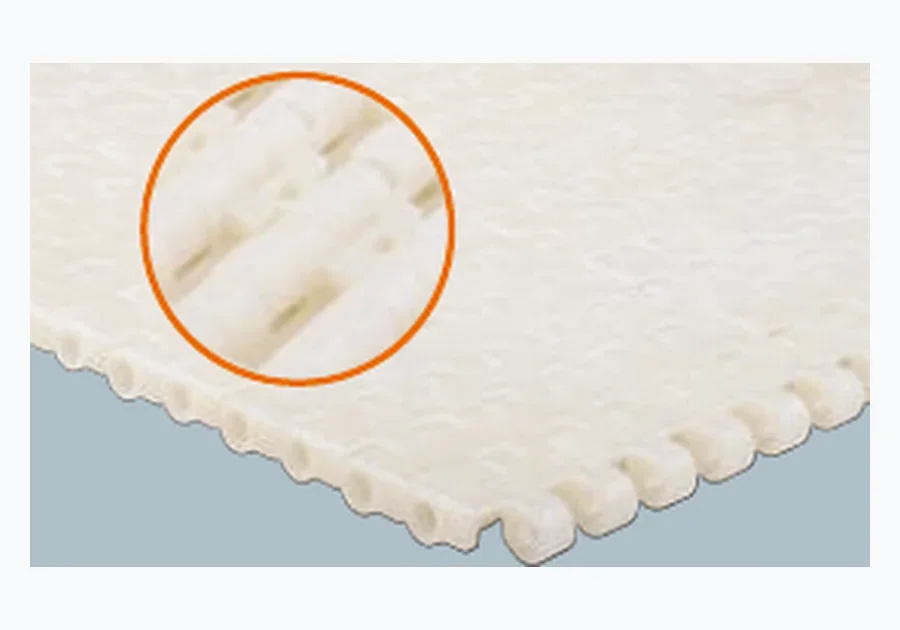
أحزمة بلاستيكية معيارية ذات سطح مستو
استخدم هذه المجموعة كاتجاه للاختيار، ثم تأكد من درجة الميل الفعلية والوجه والعرض وواجهة الناقل.
Parcel and tote conveyors run for long duty cycles and pass through scanners, merges, diverters and transfers. Selection should begin with the smallest item, the heaviest item and the most demanding interface rather than a generic warehouse load.
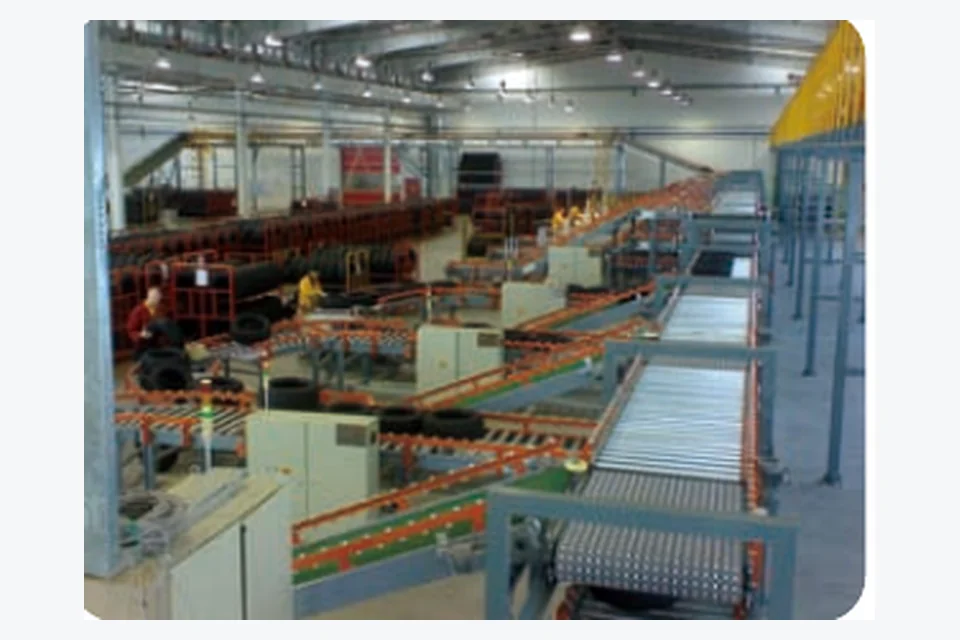
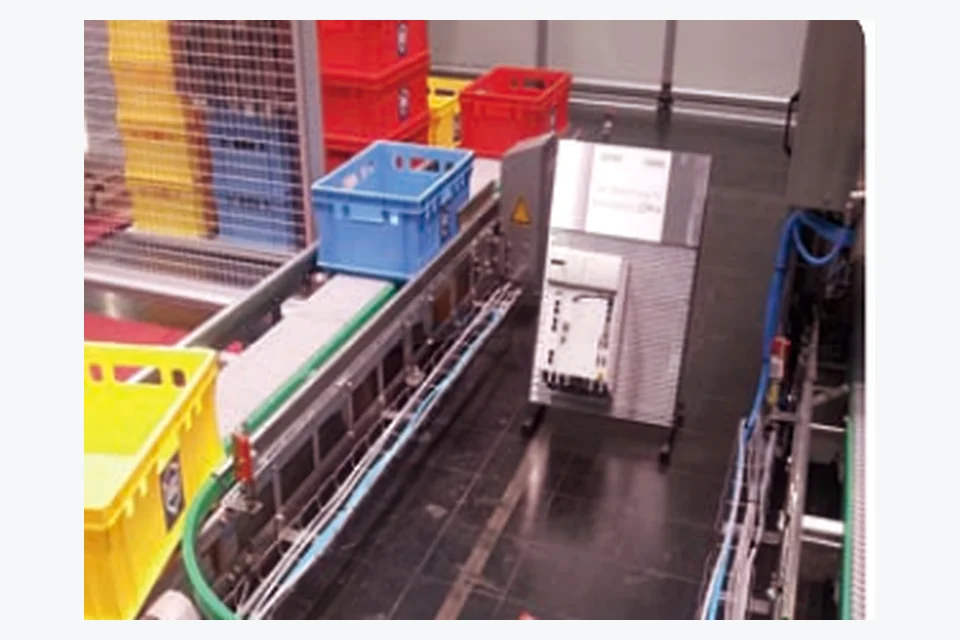
A sortation line can contain long straight runs, induction points, accumulation zones, manual exception lanes and transfer interfaces to other conveyor types. Each interface can impose different requirements on pitch, product support, guide design and maintenance access.
For Modular Belts for Logistics Sortation, the conveyor should be described as a specific process position rather than only by a belt name. That gives a new-design or replacement RFQ enough context to distinguish support, opening, path and drive needs.
| مدخل | ما الذي يجب وصفه؟ |
|---|---|
| Parcel/tote range | Smallest footprint through maximum load |
| Duty cycle | Operating hours, starts/stops and accumulation |
| Transfer points | Roller, belt or chute interfaces |
| Sensors/scanners | Zones that require stable product presentation |
| Maintenance | Access to belt, sprockets and wear strips |
| Environment | Dust, labels, debris and cleaning method |
Small parcels can catch at transfers, labels and debris can collect around return paths, and high-cycle systems can wear support strips or sprockets progressively. Replacement should therefore check the complete belt/drive/support set.
For Modular Belts for Logistics Sortation, solve product support, process opening, conveyor path and drive compatibility first. Material and project documentation can then be confirmed for the selected configuration.
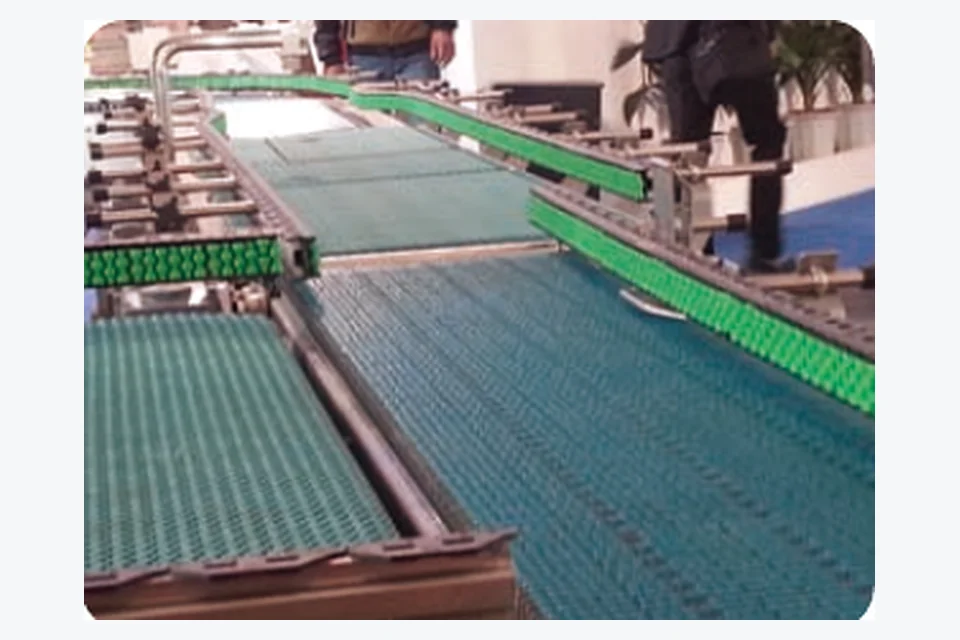
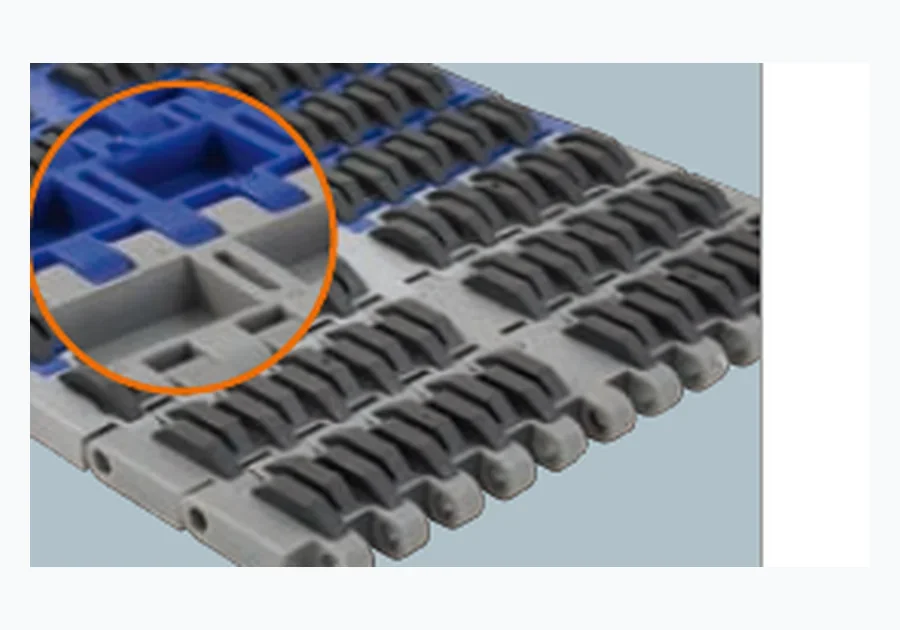
Stable flat surfaces are a practical first direction for cartons and totes. Specialty configurations can be reviewed where product control or the machine interface calls for them. Horizontal curves move the design into radius geometry with guide support.
Smaller pitch can help around tight induction and transfer zones. On long straight runs, pitch can be selected with the drive and structural layout rather than from parcel size alone.
Open area is usually not the main driver in dry logistics, but a partially open face can help debris release in some environments. Product support and label behaviour still need to be checked.
Curved sortation conveyors should be specified with inside radius, belt width, product footprint and accumulation behaviour through the turn.
| إدخال المنحنى | لماذا يُعد ذلك مهماً؟ |
|---|---|
| عرض الحزام | تعتمد إمكانية نصف القطر على العائلة المختارة والعرض |
| نصف القطر الداخلي | يحدد متطلبات الدور |
| زاوية الانحناء | يحدد المسار الإجمالي عبر نظام التوجيه |
| ملف تعريف الدليل | يتحكم في الموقع والتآكل عبر المنحنى |
| وضع القيادة | يغير هذا كيفية دخول الحزام إلى المنحنى/خروجه منه |
| بصمة المنتج | يفحص الثبات والدعم أثناء الانعطاف |
استخدم هذه المجموعة كاتجاه للاختيار، ثم تأكد من درجة الميل الفعلية والوجه والعرض وواجهة الناقل.
استخدم هذه المجموعة كاتجاه للاختيار، ثم تأكد من درجة الميل الفعلية والوجه والعرض وواجهة الناقل.

استخدم هذه المجموعة كاتجاه للاختيار، ثم تأكد من درجة الميل الفعلية والوجه والعرض وواجهة الناقل.
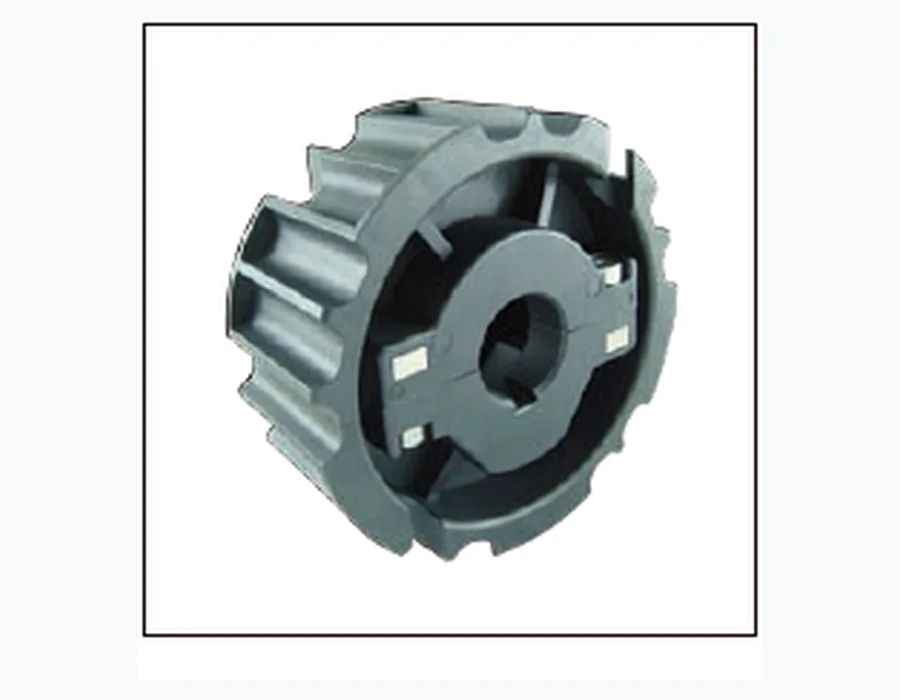
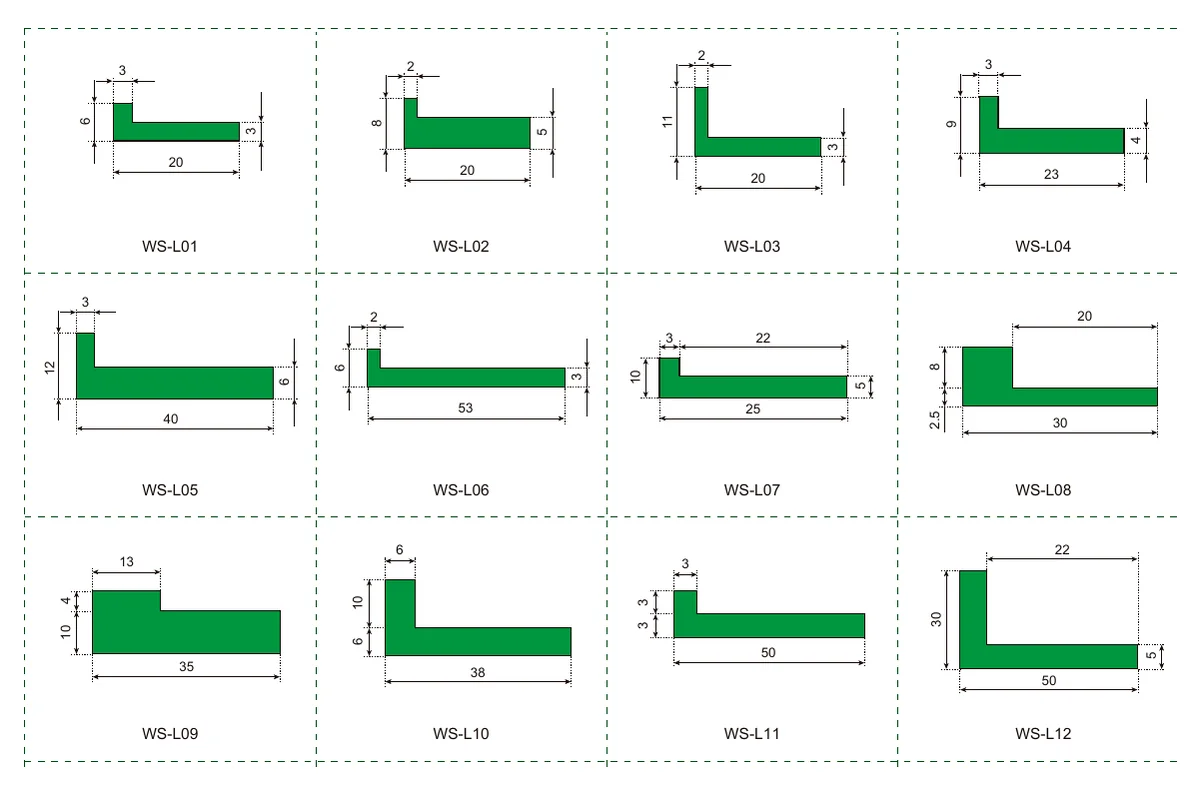
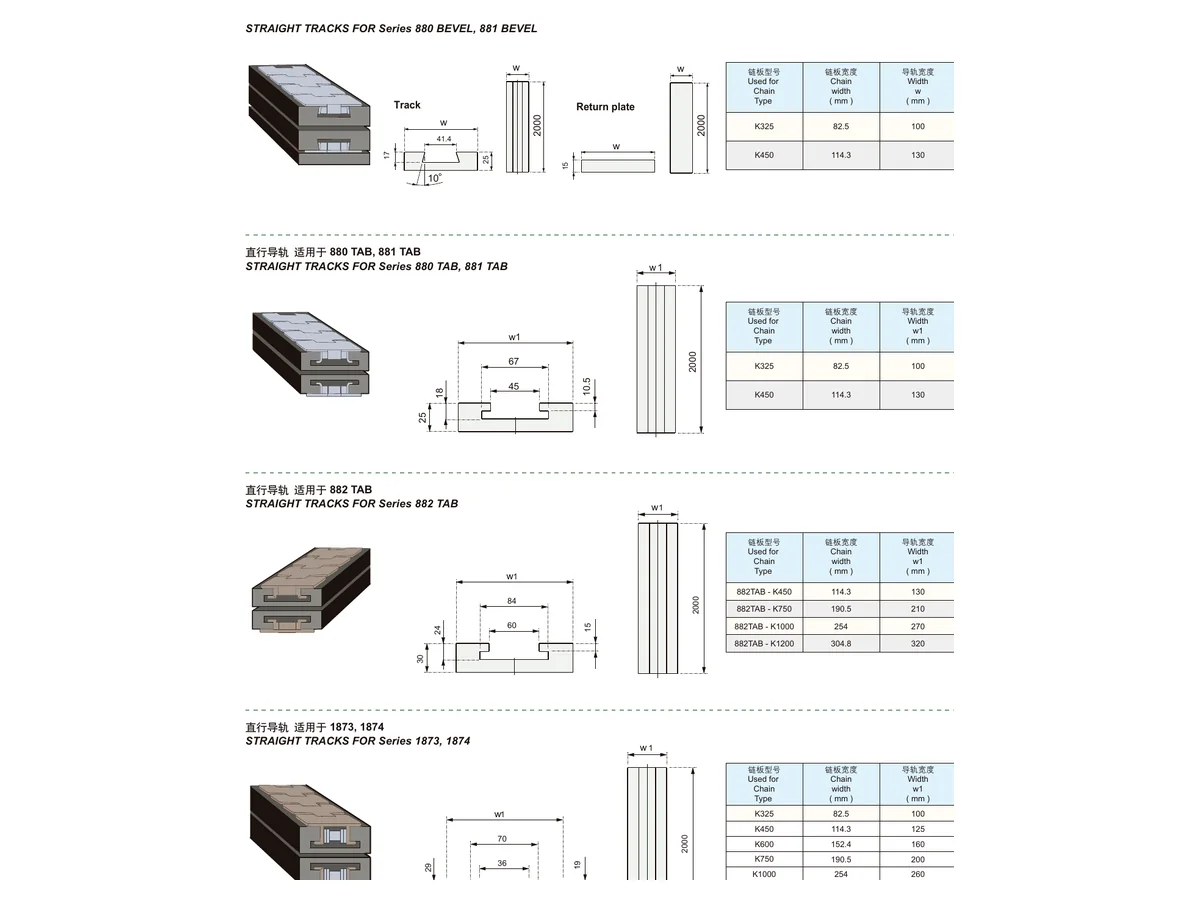
On a modular belts for logistics sortation conveyor, sprockets, pins, support strips and guide profiles belong in the review whenever they affect the process or refurbishment scope. Pitch is only one drive input; underside geometry and tooth engagement still have to match. Measure wear-strip and guide sections wherever they locate the belt or product.
Plan inspection around the high-cycle interfaces: transfers, guide edges, sprocket engagement and return supports. Record wear patterns before ordering replacement parts because those patterns can reveal alignment or interface issues.
For a new modular belts for logistics sortation installation, verify belt direction or orientation where applicable, sprocket position and engagement, guide clearance, return support and transfer alignment. For replacement work in this duty, compare the old wear pattern with the surrounding conveyor before assuming the belt itself caused the problem.
| منطقة | يرسل |
|---|---|
| طلب | خطوة المعالجة والمنتج المنقول |
| هندسة الحزام | المسافة بين الأرجل (إن كانت معروفة)، والعرض، والمساحة المفتوحة/الواجهة، والطول الإجمالي/المسافة المركزية |
| مسار الناقل | نقاط التحويل: مستقيمة/منحنية، نصف قطر داخلي |
| يقود | صور/رسم للعجلة المسننة، عدد الأسنان، العمود/الثقب والمسافة |
| واجب | الحمولة، السرعة، حالة الرطوبة/الجفاف، التنظيف والبيئة ذات الصلة |
| تجاري | الكمية، والوجهة، ومرحلة المشروع، والوثائق المطلوبة |
There is no single measurement. Pitch, width, top/underside geometry and sprocket engagement should be considered together.
Yes. The smallest footprint helps check support and transfer gaps; the heaviest load helps define duty.
Yes. Sprockets, guides and wear strips are useful to review together when the existing conveyor is being refurbished.
Send the information already available for the modular belts for logistics sortation section. A drawing is useful, but a clear photo set plus a few measured dimensions can also start the configuration review.